

A detailed 2026 breakdown of real Croatia yacht charter costs, including VAT, APA, fuel, mooring fees, provisioning, gratuities, and realistic weekly scenarios.
A week on a Croatian yacht is rarely as simple as the first quoted number suggests. The advertised charter fee gets you aboard, but the real cost of the week is shaped by tax, fuel, berth choices, provisioning, and the pace at which you decide to move through the Adriatic. This guide breaks the structure down properly, so you can understand not only what a yacht charter in Croatia costs in 2026, but what kind of week each budget is actually buying.
The most expensive misunderstanding in yacht charter is not about money. It is about structure. Guests assume they are buying a holiday when they are, in fact, assembling one in real time. The base charter fee looks like a complete product because it resembles a hotel rate or a villa price. But a yacht is not a static asset. It moves, consumes, adapts, and responds to decisions made hour by hour. In Croatia, where chartering is relatively accessible compared to the western Mediterranean, this misunderstanding becomes especially visible. The entry price is attractive enough to invite new clients, but the real cost is only revealed once the week begins to behave like a living system. Readers who want the broader market context should first compare this piece with our main guide on how much it costs to charter a yacht in Croatia and our longer editorial on what a luxury Adriatic catamaran charter is really like.
This is not a flaw in the Croatian market. It is its defining honesty. Southern Croatia does not hide cost behind artificial “all-inclusive” illusions as aggressively as some destinations. Instead, it separates the fixed from the variable. The yacht is fixed. Everything else — fuel, food, route, ports, tempo — belongs to the charter itself. The result is a structure that rewards informed guests and punishes vague expectations. That is also why cost cannot be separated from harbour logic, something we explore in more detail in our guide to the best marinas and harbours in southern Croatia.
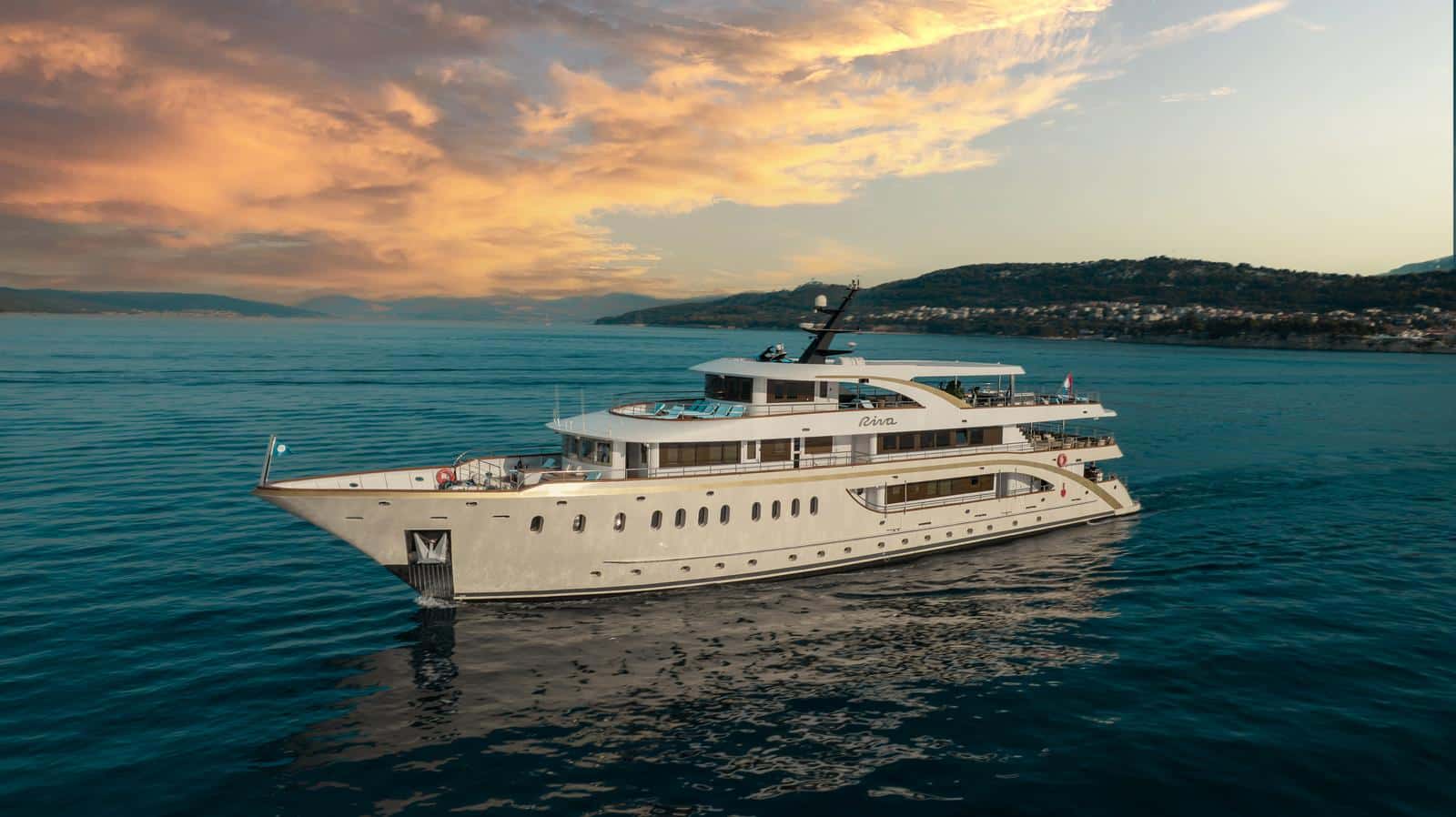
To understand what a week really costs in 2026, you have to understand how the money moves, not just how it is quoted. And because embarkation choices affect cost before the yacht even leaves the dock, it is worth pairing this article with our Cavtat vs Dubrovnik comparison for yacht travellers.
The short version
Base fee is never the whole week.
VAT is usually applied on top unless the listing says it is already included.
APA is operating money, not broker profit.
Fuel, berths and food are where behaviour changes the final total fastest.
The route is part of the budget, not just the scenery.
The base charter fee: the illusion of completeness
The base fee is the price that appears first in every listing. It is also the number most likely to mislead. On a bareboat yacht, it covers the vessel itself and little else. On a catamaran, it may or may not include a skipper. On a crewed motor yacht, it usually includes the yacht and salaried crew, but not the operational costs of the week. Guests comparing different yacht types should also read our editorial on crewed sailing yachts in Croatia, because vessel type changes not only the mood of the trip but also the structure of the spend.
As a broad orientation for 2026:
- Bareboat sailing yachts: ~€4,000 – €12,000 per week
- Catamarans (skippered or crewed): ~€8,000 – €25,000+
- Crewed motor yachts: €20,000 – €80,000+
- Superyachts: €80,000 – €300,000+
These ranges are not promises. They are entry points. What matters is that the number you see first is rarely the number you pay last. This is one reason why readers planning a wider Adriatic stay often move between our yachts, experiences, and tours sections before deciding how much of the budget should belong to the yacht itself.
VAT: the quiet escalation
VAT is simple and therefore often ignored. It is usually applied on top of the base fee unless explicitly included. In Croatia, this immediately shifts the real starting point upward. The psychological effect is disproportionate. Guests anchor themselves to the first number they hear and treat tax as an afterthought, when in reality it is the first unavoidable expansion of the budget.
The disciplined approach is to convert every quote into a post-VAT number before comparing yachts. Anything else leads to false comparisons. This matters especially for travelers trying to combine a yacht week with land stays in places such as Cavtat or Dubrovnik, where hotel and villa budgeting follow different logics, as we note in pieces like our review of Hotel Excelsior Dubrovnik.
APA: understanding the engine of the week
Advance Provisioning Allowance is where charter economics become real. Typically set around 20–30% of the base fee on crewed yachts, APA is not profit. It is a working fund used by the captain to operate the yacht during the week.
It pays for:
- Fuel
- Food and beverages
- Mooring and marina fees
- Port taxes
- Guest-requested extras
If you spend less, you get money back. If you spend more, you pay the difference.
The discomfort comes from uncertainty. Guests want fixed pricing at the exact moment where variability defines the experience. APA exists because no two charter weeks behave the same. That becomes especially clear once you begin to compare route styles — for example, a quieter southern route versus a more social circuit through old-town stops and premium harbour evenings. For wider planning logic, see our guide to day-trip geography from Cavtat and Dubrovnik, because many of the same route instincts shape yachting decisions too.
Fuel: speed, distance, and ego
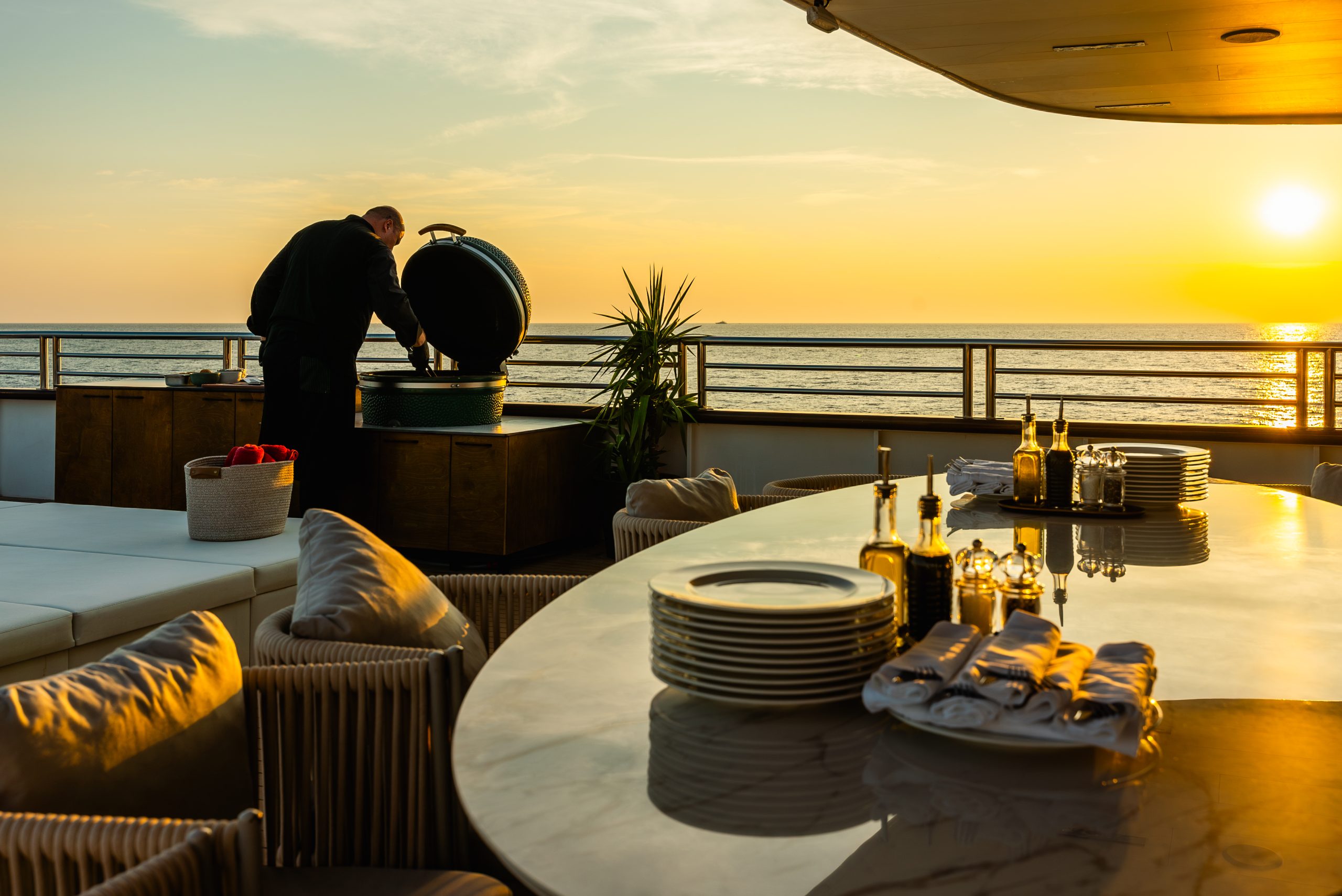
Fuel is not just a technical cost. It is a behavioral one. A motor yacht running aggressively between islands will produce a dramatically different invoice than one moving intelligently with shorter legs. A sailing yacht can be economical — unless it is treated like a motorboat out of convenience.
Fuel in Croatia varies widely, but the real principle is this: every extra mile must justify itself.
Guests often equate distance with value. Experienced charterers do the opposite. They measure value in quality of stops, not quantity. This is why well-read guests increasingly compare fuel burn with harbour value, especially when deciding whether to prioritise town nights, national-park rhythm, or quieter swimming-led itineraries. Readers interested in how land-based pacing works in the same region may also find that our guide to the best walks in and around Cavtat clarifies the broader “do less, use better” philosophy that good charter planning depends on.
Mooring fees: the hidden rhythm cost
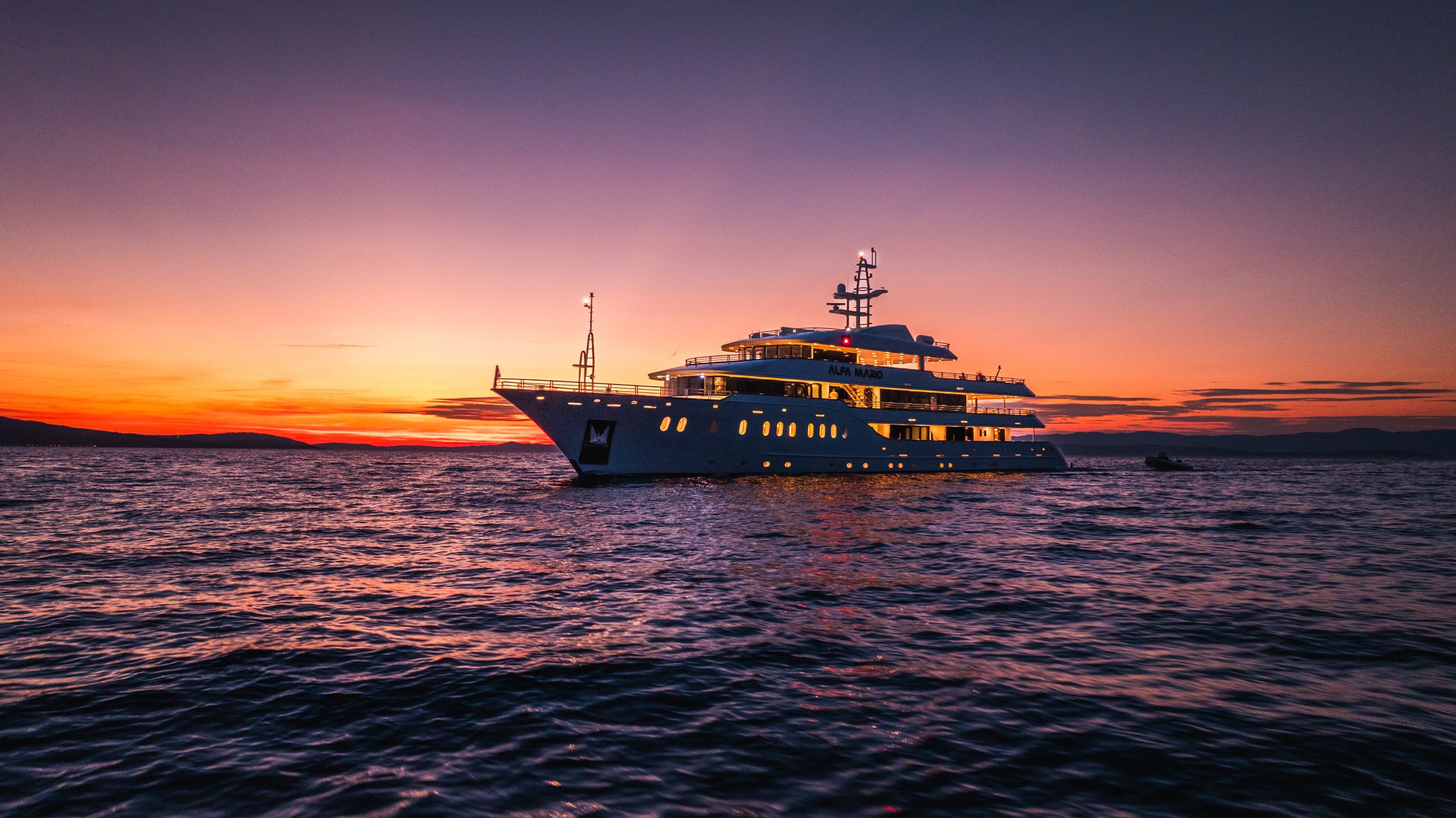
Anchoring is free. Harbours are not. This sounds obvious until it repeats across a week.
Typical patterns:
- Quiet anchorage nights → minimal cost
- Town quay → moderate cost
- Premium marina (Dubrovnik, Korčula peak season) → high cost
Catamarans pay more due to width. Motor yachts pay more due to size and positioning. Peak season multiplies everything.
The real question is not price per night. It is rhythm. Do you want:
- A week of nature and swimming?
- A week of restaurants and towns?
- A balance?
Each answer produces a different financial profile. A guest who wants mostly restorative anchorages with one or two polished evenings ashore is not really buying the same holiday as a guest who wants nightly restaurant theatre. The difference becomes especially relevant when comparing soft-entry ports like Cavtat with stronger urban chapters like Dubrovnik or Korčula, a theme that also overlaps with our Cavtat on a budget article, where the same principle of selective spending appears in a less rarefied travel context.
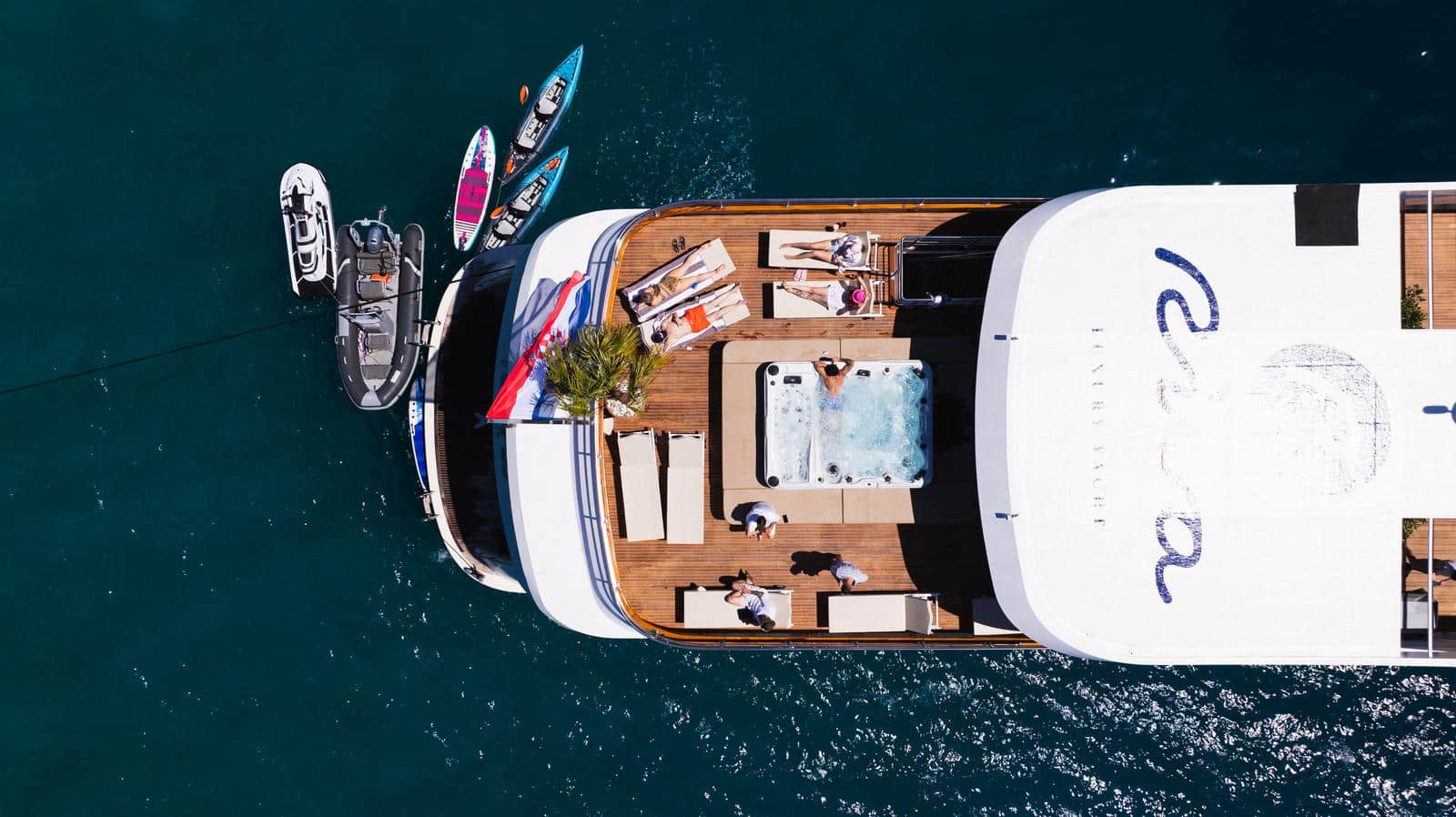
Provisioning: lifestyle translated into cost
Provisioning is where guests reveal themselves. Two groups on the same yacht can produce entirely different invoices based on taste alone.
At one end:
- Simple breakfasts
- Local wine
- Light lunches
At the other:
- Premium spirits
- Chef-level meals
- Constant availability of snacks and drinks
Neither is correct or incorrect. But both must be acknowledged before the week begins.
This is also where the broader Cavtat Guide ecosystem matters. Travelers who know they care more about one excellent shore dinner than constant onboard indulgence often end up planning more intelligently once they have read across the site not only in the yachting section, but also in pieces that help them understand how the region behaves on land. The same traveler deciding between a restaurant-led night ashore and a quiet onboard dinner may also be comparing the emotional value of staying local in Cavtat versus stepping into larger Dubrovnik theatre. That is why our transportation and experiences sections often become unexpectedly useful to yacht guests too.

Gratuities: the final emotional number
Gratuities sit at the intersection of service and psychology. They are typically discretionary, but culturally expected on crewed yachts. The key is not the percentage. It is timing. Guests who ignore gratuity until the final day often experience it as a shock rather than a gesture.
In reality, a strong crew shapes the entire week. Recognising that in advance prevents discomfort at the end. It also makes travelers more honest about the level of service they are truly seeking. Many people say they want “simple yachting” while expecting villa-level ease and hotel-level invisibility from the crew. Those expectations belong in the budget.
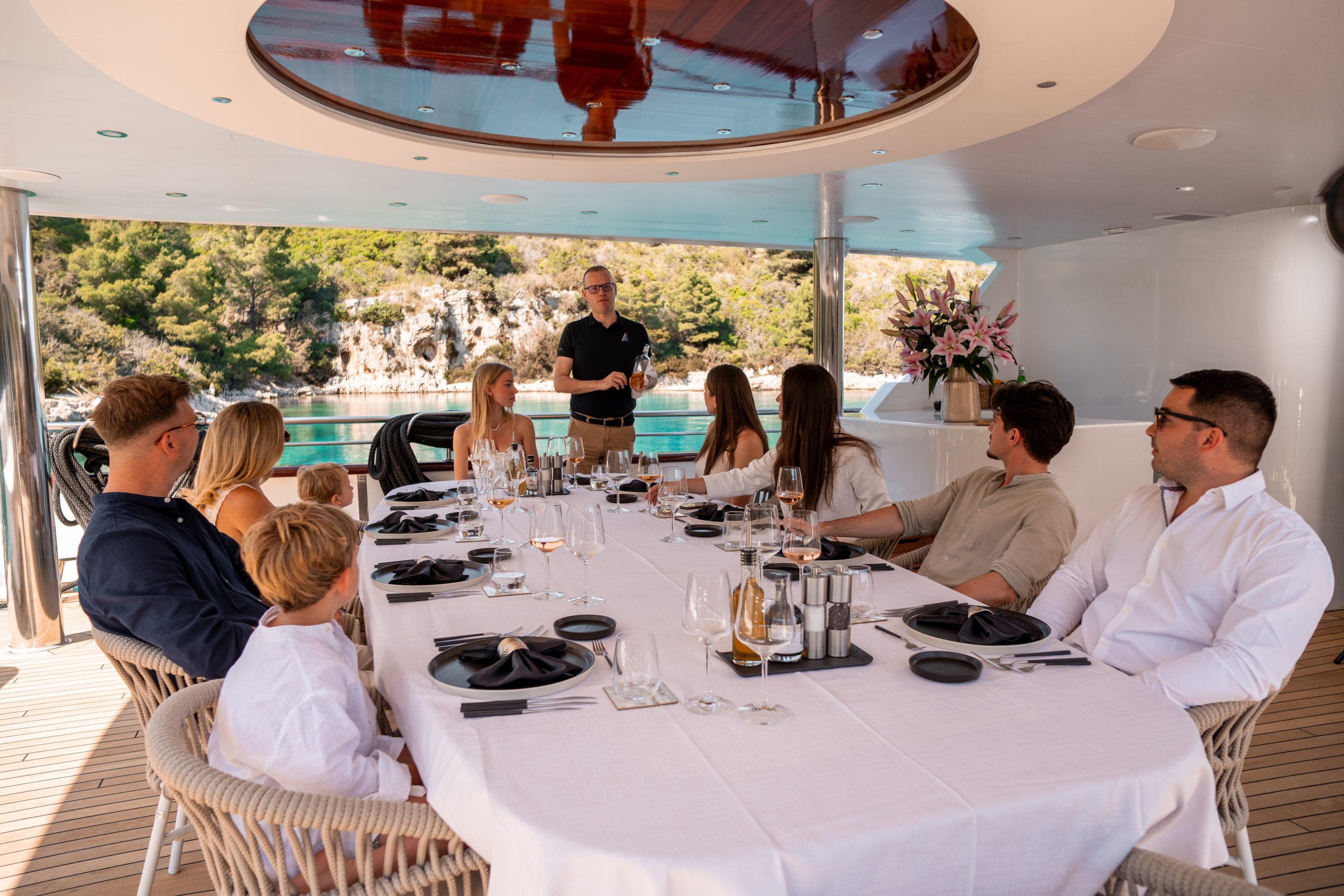
The psychology of overspending
Most overspending in yacht charter is not caused by pricing. It is caused by inconsistency.
Guests say they want simplicity but behave as if they want luxury. They plan a relaxed route but demand long passages. They prefer anchoring but book restaurants every night. Each contradiction expands the budget.
Cost discipline is not about restriction. It is about alignment between intention and behaviour. The same pattern can be seen in non-yachting decisions across the region. Buyers looking at property in Croatia as a foreigner or readers comparing the Dubrovnik Riviera property market are often dealing with the same deeper question: are they paying for the life they actually want, or for a fantasy they only partially understand?
Scenario breakdowns
1. Disciplined sailing week
Base: €6,000
VAT: +€1,500
Fuel: €200–€600
Moorings: €300–€800
Food: €600–€1,200
Total: ~€8,500–€10,000
This is the version of Croatia that rewards sailors who actually want to sail, who enjoy anchoring, and who do not need the boat to impersonate a floating hotel. It also often pairs well with one or two quieter land days before or after the charter, especially in Cavtat.
2. Family catamaran
Base: €12,000
VAT: +€3,000
Skipper: €1,500
Fuel: €500–€1,200
Moorings: €800–€2,000
Food: €1,500–€3,000
Total: ~€19,000–€24,000
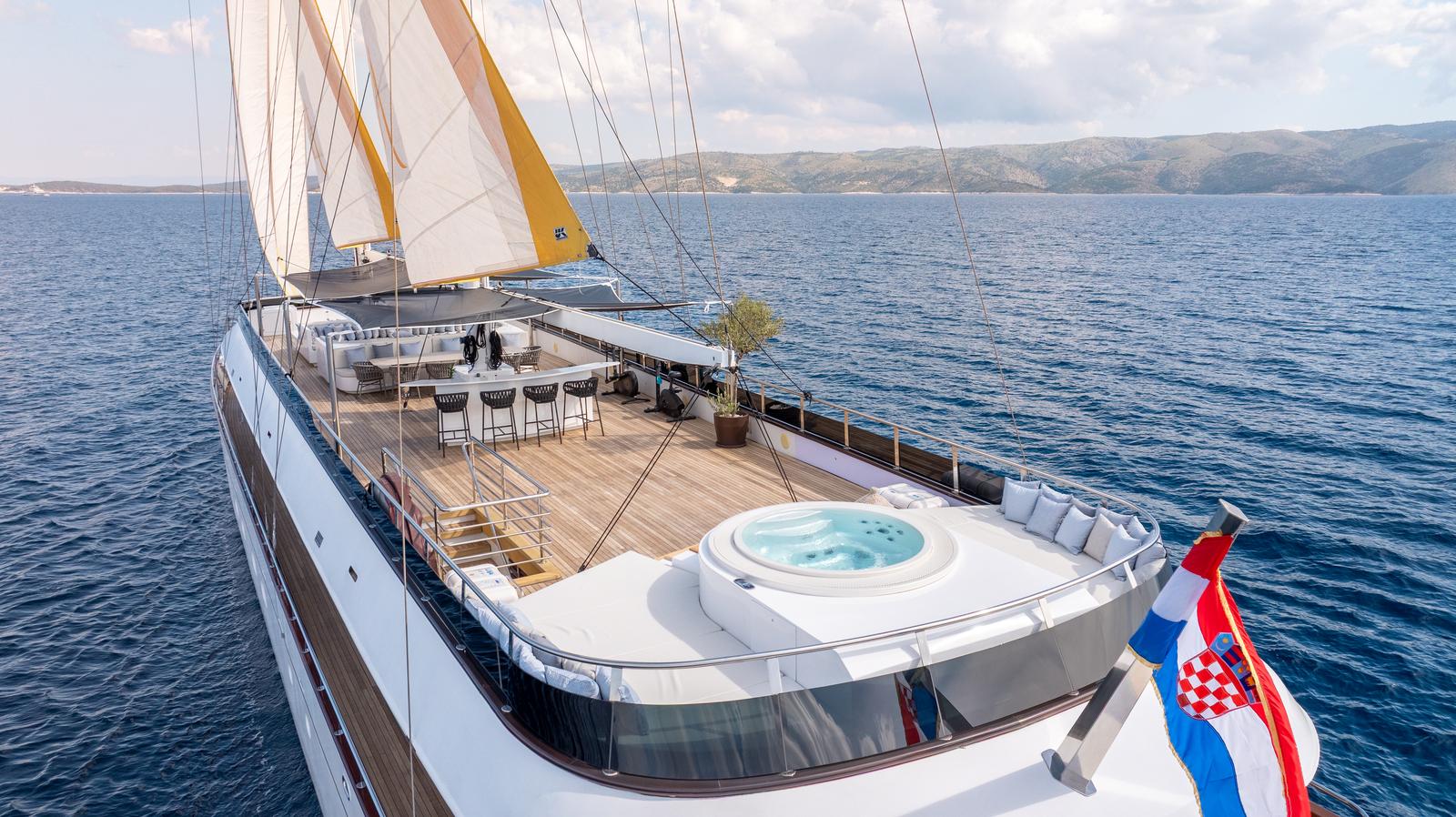
This is where many guests first realise that catamarans are not “cheap luxury” but a very specific middle-market proposition: spatially forgiving, socially easy, and excellent for mixed-age groups, but only moderate in price until real family behaviour enters the picture. Readers who want the emotional texture behind this category should pair this article with our catamaran charter feature.
3. Crewed motor yacht
Base: €35,000
VAT: +€8,750
APA: €10,000–€15,000
Gratuity: €3,500–€5,000
Total: ~€55,000–€65,000+
This is the format where route ambition, service quality, and marina appetite start to matter dramatically. It is also the format where guests most often confuse the polished brochure number with the true invoice.
4. Ultra-luxury charter
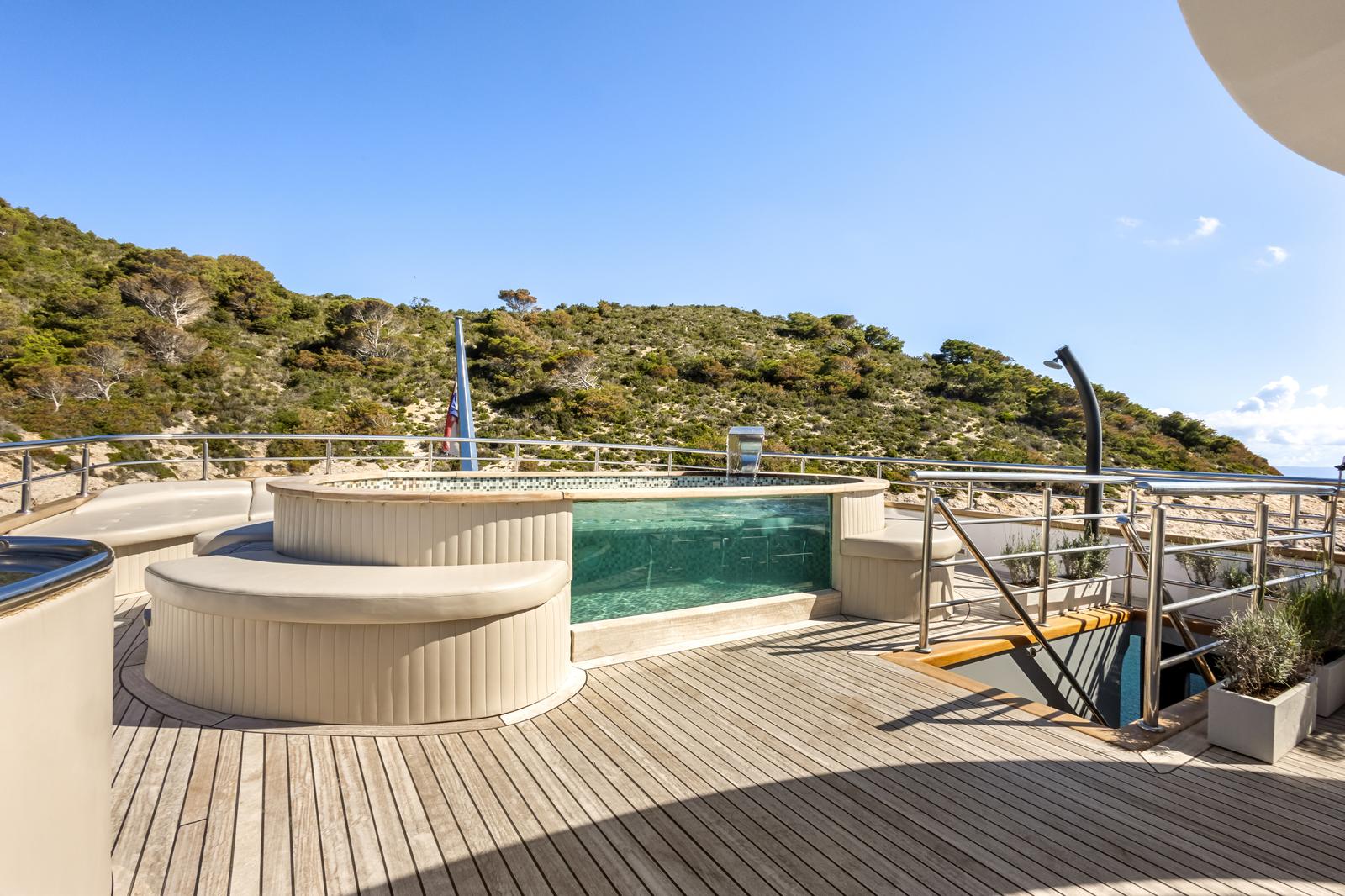
At the upper end of the market, the arithmetic becomes more elastic but not less important. Superyachts still follow the same truths, only at larger scale. Fuel, berth costs, specialist provisioning, toy use, and guest expectations all expand. What changes is not the logic but the client’s tolerance for it. At this level, experienced charterers already know the base number is only the opening move.
| Cost line | Bareboat yacht | Catamaran | Crewed motor yacht | Superyacht |
|---|---|---|---|---|
| Base fee | Core charge | Core charge | Core charge | Core charge |
| VAT | Usually extra unless included | Usually extra unless included | Usually extra unless included | Usually extra unless included |
| APA | Usually no | Sometimes if crewed | Commonly yes | Standard practice |
| Fuel | Extra | Extra | Paid via APA or separately | Paid via APA |
| Mooring fees | Extra | Extra and often higher | Extra via APA | Extra via APA |
| Provisioning | Extra | Extra | Via APA | Via APA |
| Gratuity | Not typical | Only if crewed | Customary | Customary |
The route itself is a budget decision
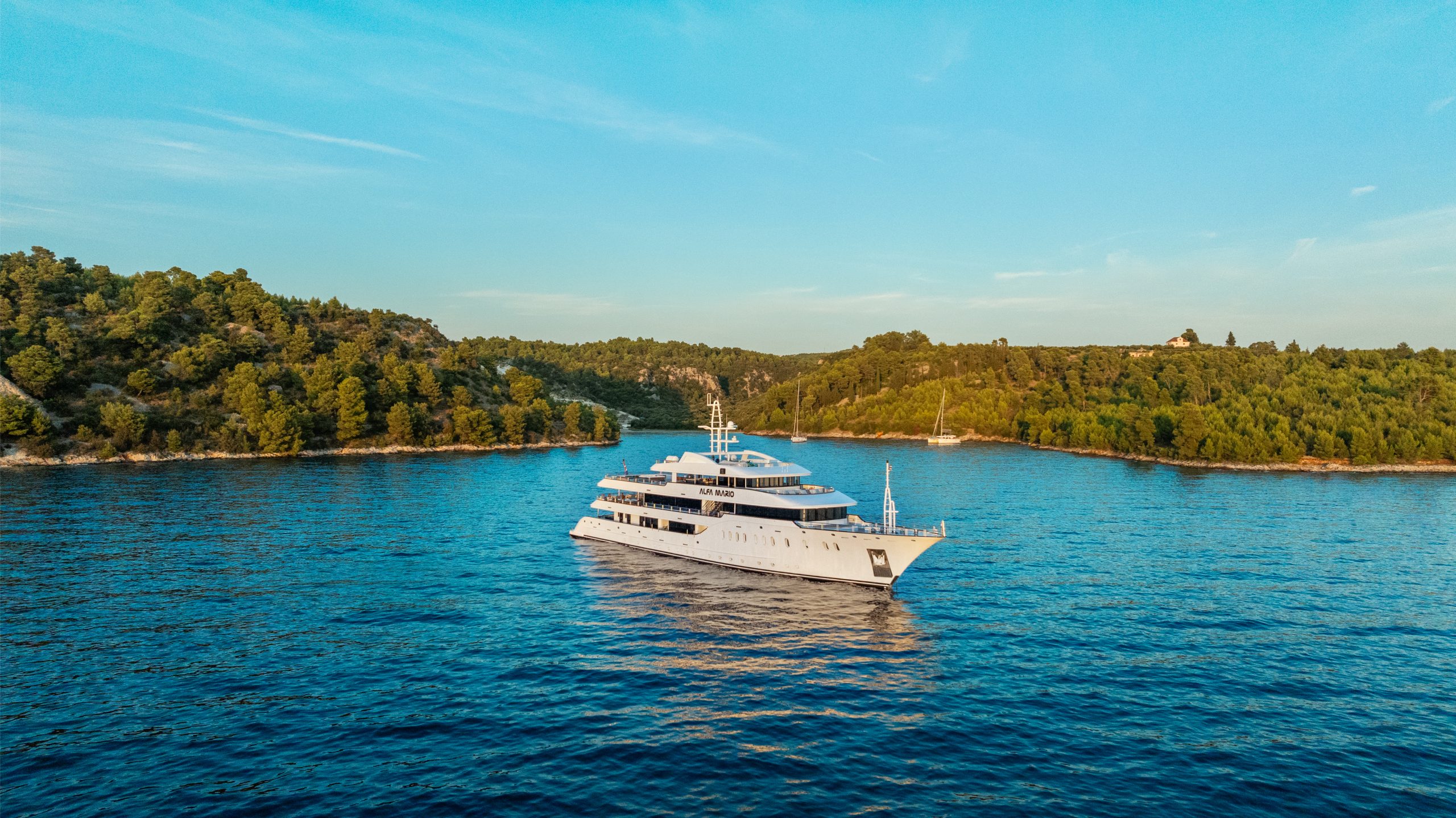
A surprising number of guests still treat route as a purely visual choice. In reality, route is one of the strongest financial levers in the whole charter. A slower southern-Adriatic week with intelligent anchoring, one or two select town nights, and moderate daily mileage behaves very differently from a prestige-heavy itinerary built around premium berths and longer passages. Dubrovnik, Korčula, Mljet, Pelješac and Cavtat do not cost the same to inhabit at sea, even when they belong to the same broad cruising world.
This is exactly why harbour literacy matters. ACI Marina Dubrovnik, Cavtat, Pomena on Mljet, and Korčula each perform different functions, something we explain in full in our southern Croatia marina and harbour guide. The budget-conscious charterer is not necessarily the one who spends least. It is the one who assigns each harbour the correct role.
The final invoice moment
The real test of a yacht charter is not how it feels on day three. It is how it feels when the final numbers are presented. Guests who understand the structure rarely feel surprised. They recognise the relationship between their decisions and the result.
Guests who do not understand the structure often feel that something has gone wrong, even when everything has worked exactly as designed. The emotional temperature of the final invoice depends heavily on whether the charter was budgeted as a story or as a system.
How Cavtat helps with cost discipline
Cavtat is helpful because it reduces friction at both ends of the trip. Shorter airport transfers, easier arrival-night staging, and a calmer embarkation environment can save both money and mood. Many experienced charterers use Cavtat as a staging point before or after the yacht week, smoothing the transition between land and sea. That same logic is part of why the town also appears in lifestyle and property conversations across the site, including our essay on Adriatic second homes and our analysis of buyers looking beyond Dubrovnik.
This is not about saving thousands. It is about preventing unnecessary spending driven by stress. The same intelligence that makes Cavtat work for repeat yacht guests also makes it a useful base for slower cultural travel, as readers discover in pieces like our feature on the women of Cavtat, our long-form essay on Vlaho Bukovac. A place that reduces friction on land usually improves decision-making at sea as well.
Research before you book
The more serious the charter budget, the more important it becomes to build the week against the wider destination. That means not only comparing yachts, but also understanding the land-side context around embarkation, stopovers, and post-charter stays. Guests who spend time with regional history and geography often budget more intelligently because they stop confusing prestige with value. That is one reason why our deeper regional essays whether on Ruđer Bošković, Ivan Gundulić, or the layered cultural worlds of Cavtat and Dubrovnik matter even to yacht readers. Better context produces better spending decisions.

Conclusion
A week on a Croatian yacht in 2026 can be relatively disciplined or gloriously expensive, but it is almost never just the number in the brochure. The good news is that the structure is understandable once the language is clear. Base fee gets you aboard. VAT is unavoidable. APA is working capital, not mystery. Fuel rewards sensible routing. Marina nights, provisions, and gratuities reflect how you choose to live. Guests who accept those truths do not merely avoid surprise. They budget better, choose the right vessel more intelligently, and end up spending on the parts of the week they actually value.
For many travelers, Croatia remains one of the rare charter markets where that clarity is still possible. The country offers enough infrastructure to make luxury easy, enough coastal variation to keep a one-week route interesting, and enough vessel diversity to suit very different appetites from disciplined sailors to fully crewed privacy-first clients. The point is not to make the week cheap. It is to make the spending coherent.
Planning a yacht charter in Croatia?
Tell Cavtat Guide your dates, group size, and budget. We will help you understand the real costs, choose the right vessel, and structure a week that delivers value without unpleasant surprises.