

A seafront villa on the Dubrovnik Riviera is rarely a simple trophy purchase. For most serious buyers, it is an attempt to solve several ambitions at once: proximity to the water, a credible Adriatic lifestyle, elegant arrival logistics, enough privacy to host well, and a property that still feels convincing when summer glamour gives way to ordinary use. The best homes in this market do not merely face the sea. They connect sea, town, airport, and daily life with unusual precision.
Main takeaway: the most convincing Dubrovnik Riviera seafront villas are not chosen on view alone. They are chosen on how well they combine water access, privacy, architecture, airport logic, marina convenience, and long-term liveability.
Best for: buyers seeking southern Adriatic prestige with practical ownership logic, especially where boating culture, guest hosting, and family use matter.
Core decision filter: the real question is not simply whether a villa sits by the sea, but how intelligently it links sea, town, airport, and everyday rhythm.
The upper tier of the Croatian coastal market is rarely defined by square metres alone. In the Dubrovnik region, the properties that draw the most serious international attention sit within a more demanding equation: water access, architectural restraint, ownership practicality, distance from the airport, proximity to marinas or tender routes, exposure to summer density, winter liveability, and the quieter prestige of being close to the southern Adriatic without being overwhelmed by it.
That is why the phrase seafront villa, though useful in search language, does not fully explain what buyers are actually acquiring on the Dubrovnik Riviera. They are buying rhythm, logistics, discretion, and, in many cases, proximity to a maritime way of life. For readers studying luxury real estate in Croatia or more specifically the upper end of Dubrovnik real estate, the real question is not simply where to find a villa for sale. It is how to understand what this coastline offers that other Mediterranean markets often do not.
One reason local judgement still matters so much in this market is that micro-location shapes long-term value as much as finishes or bedroom count. A house directly above the water may look extraordinary in photographs, yet the images will not reveal how the approach road behaves in July, whether tender pickup is realistic in changing conditions, how much privacy remains once neighbouring villas fill up, or whether the journey from the airport to the front door still feels elegant after a late arrival. These are not secondary concerns. They are the concerns that separate a beautiful house from an intelligently chosen second home.
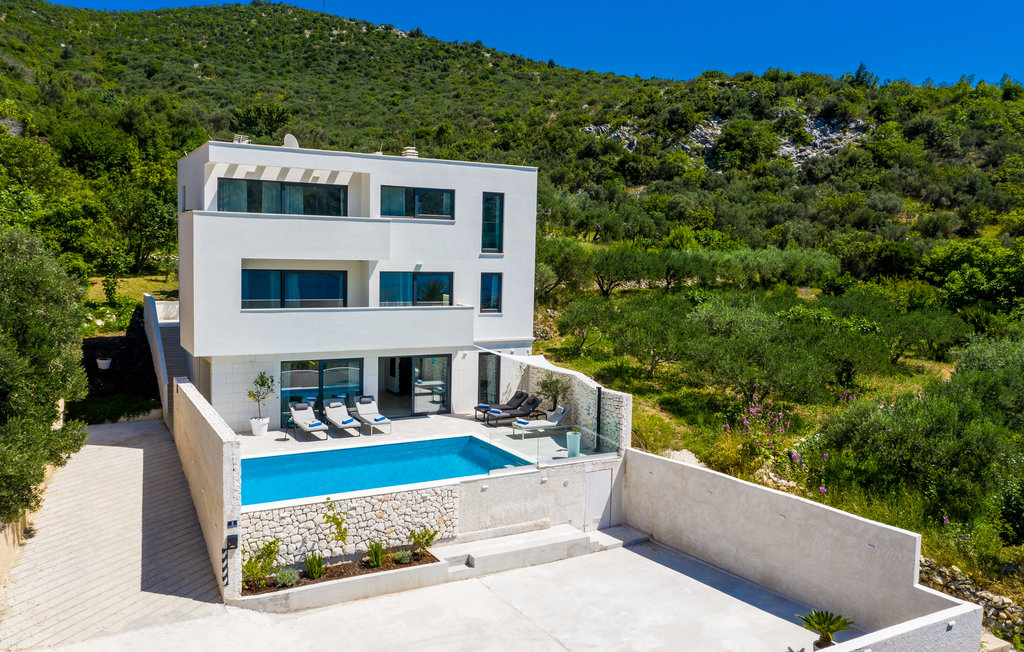
The Dubrovnik Riviera as a premium property geography
One reason the Dubrovnik market continues to attract serious second-home buyers is that it compresses several kinds of value into a relatively tight geography. Within one regional frame, an owner can have UNESCO-grade urban culture, a working international airport, island access, marina adjacency, historic stone architecture, modern villas, and a tourism identity that remains legible far beyond Croatia. That combination is not unique in Europe, but it is unusually concentrated in southern Dalmatia.
Yet the Dubrovnik Riviera is not a single uniform luxury zone. Buyers often speak about “Dubrovnik” as if the label alone explains the market. In practice, the region behaves more like a sequence of ownership environments. Closer to the city, recognisability strengthens, but so do seasonal density and price pressure. Moving outward, one can gain calm, land, and a stronger sense of retreat, while accepting a little more planning around restaurants or services. Around Cavtat and Konavle, often featured throughout Cavtat Guide, the ownership proposition changes again: more breathing space, easier airport logic, softer town rhythm, and stronger alignment with buyers who want sea access and yacht culture without the daily intensity of the Old Town orbit.
That regional layering becomes even more important for yacht-oriented buyers. A house that works beautifully for a culture-first city user may be less effective for an owner who arrives by water, hosts guests on charter, or thinks in terms of tender transfers, provisioning, and quick access to day routes. Conversely, a highly private waterfront estate can be less practical for buyers who want walkable restaurants, frequent year-round use, or strong service density rather than a semi-secluded retreat.
On the Dubrovnik Riviera, premium value is not only about being on the sea. It is about how elegantly a property connects sea, town, airport, and privacy without forcing the owner to choose just one.
Why seafront villas remain at the top of buyer desire
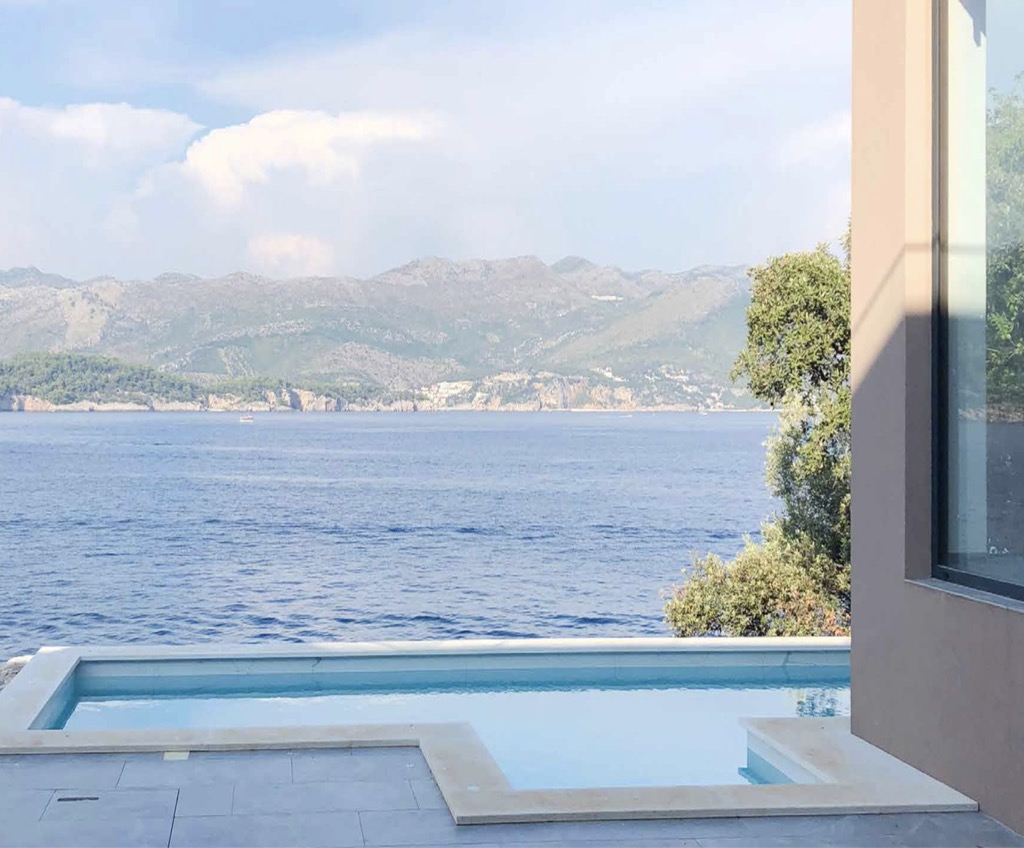
At the upper end of the Croatian market, seafront villas remain the most emotionally persuasive asset class. Waterfront ownership compresses scarcity into a visible fact. Morning swims, late light, the movement of tenders and charter yachts, and the relief of open horizon all become part of the property rather than something reached by excursion. The sea does not sit nearby as an idea. It enters the house’s daily rhythm.
But serious buyers also understand that seafront is not a simple category. Some homes are truly on the waterline, with the sea only metres from the structure. Others are set back enough to offer visual command rather than direct access. For owner-occupiers who imagine a yacht-centred summer, that distinction matters considerably. A villa that sounds convincing in brochure language may behave very differently depending on whether one can actually swim easily, arrive by tender, or use the frontage in a way that feels natural rather than awkward.
In buyer conversations, the term “close to the sea” is often used too casually. On the Dubrovnik Riviera, it can describe several very different realities: a house immediately above the water; a property with swimmable frontage but weak mooring logic; a villa a short walk from the sea with stronger privacy and broader view corridors; or a town-adjacent coastal property where the promenade and social life become part of ownership. Each can be desirable. Each belongs to a different lifestyle model.
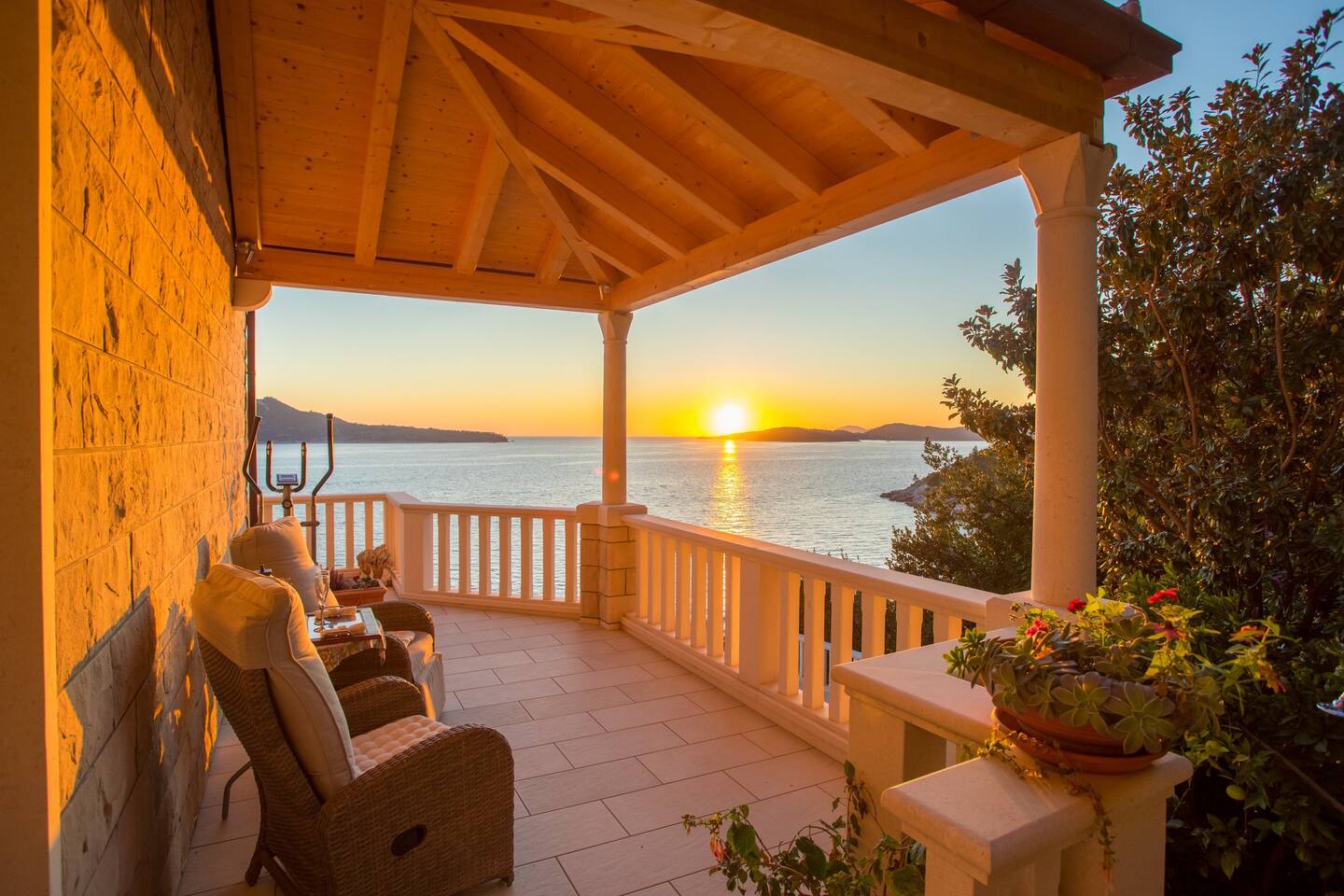
Useful distinction: seafront becomes truly persuasive only when visual command is matched by practical water access, privacy, and day-to-day ease. Otherwise the category flatters the buyer faster than it actually serves them.
The yacht lifestyle factor
It is increasingly useful to analyze Dubrovnik Riviera property through a yachting lens, even when the buyer is not acquiring a vessel at the same time. The southern Adriatic now functions as part of a wider lifestyle circuit that includes chartering, marina-based calendars, island-hopping, concierge-style arrivals, and hybrid usage patterns in which owners combine villa time with time on the water. In that environment, the ideal house is not merely handsome. It is an efficient base of operations.
This helps explain why yacht owners and yacht-adjacent buyers often gravitate toward properties that simplify movement rather than maximize spectacle at any cost. They ask practical questions early. How quickly can guests transfer from the airport? Where does provisioning happen? Is there straightforward access to Cavtat, Dubrovnik, the islands, or mainland departure points? Can staff circulate without friction? Does the architecture support post-swim movement, outdoor dining, and shade? Is the property private enough to feel controlled, but not so isolated that every dinner becomes a logistical exercise?
For some buyers, this tilts preference toward Cavtat and the wider Konavle side of the region, where airport access is notably easy and the town rhythm is calmer. For others, especially those focused on direct association with Dubrovnik itself, city-facing Riviera positions retain stronger symbolic pull. Neither instinct is wrong. The point is that the boating lifestyle turns property selection from a purely visual decision into a systems decision.
| Buyer priority | What it means in practice | Best-fit Riviera profile |
|---|---|---|
| Immediate prestige and city association | Shorter emotional distance to Dubrovnik’s global brand and stronger urban recognition | City-edge and classic Dubrovnik Riviera seafront locations |
| Yacht-friendly mobility | Faster airport transfers, easier coastal movement, and calmer arrival-departure rhythm | Cavtat and Konavle-oriented ownership base |
| Maximum privacy | Larger plots, fewer visual intrusions, and lower density | Island and semi-secluded waterfront estates |
| Walkable summer lifestyle | Restaurants, promenades, and services without constant car use | Town-adjacent villa or penthouse settings |
| Hybrid personal use and seasonal income | Strong guest appeal combined with manageable operations | Recognisable Dubrovnik-area seafront villas with straightforward access |
Listings that clarify the Riviera equation
One of the clearest ways to understand the Dubrovnik Riviera is to compare how different listings solve different versions of the same brief. Some emphasize prestige and visual authority. Some favour estate scale and softer logistics. Others lean into heritage, island privacy, or strategic plot value rather than immediate turnkey glamour.
Amazing Sea View Villa — Dubrovnik
A strong reference point for buyers who prioritize immediate visual drama, seafront aspiration, and recognizable Dubrovnik prestige.
Mansion in Dubrovnik, Cavtat — Private Estate Scale
Useful for understanding how the search often shifts toward Cavtat once buyers begin prioritizing scale, privacy, and smoother day-to-day ownership.
Seafront Villa on Koločep Island — Dubrovnik Area
A more specific answer for buyers who want island intimacy, water proximity, and a sharper separation from mainland tempo.
Private Island Opportunity — Dubrovnik Region
An extreme example, but a revealing one: some buyers are not purchasing a house alone, but privacy, isolation, and control over an entire setting.
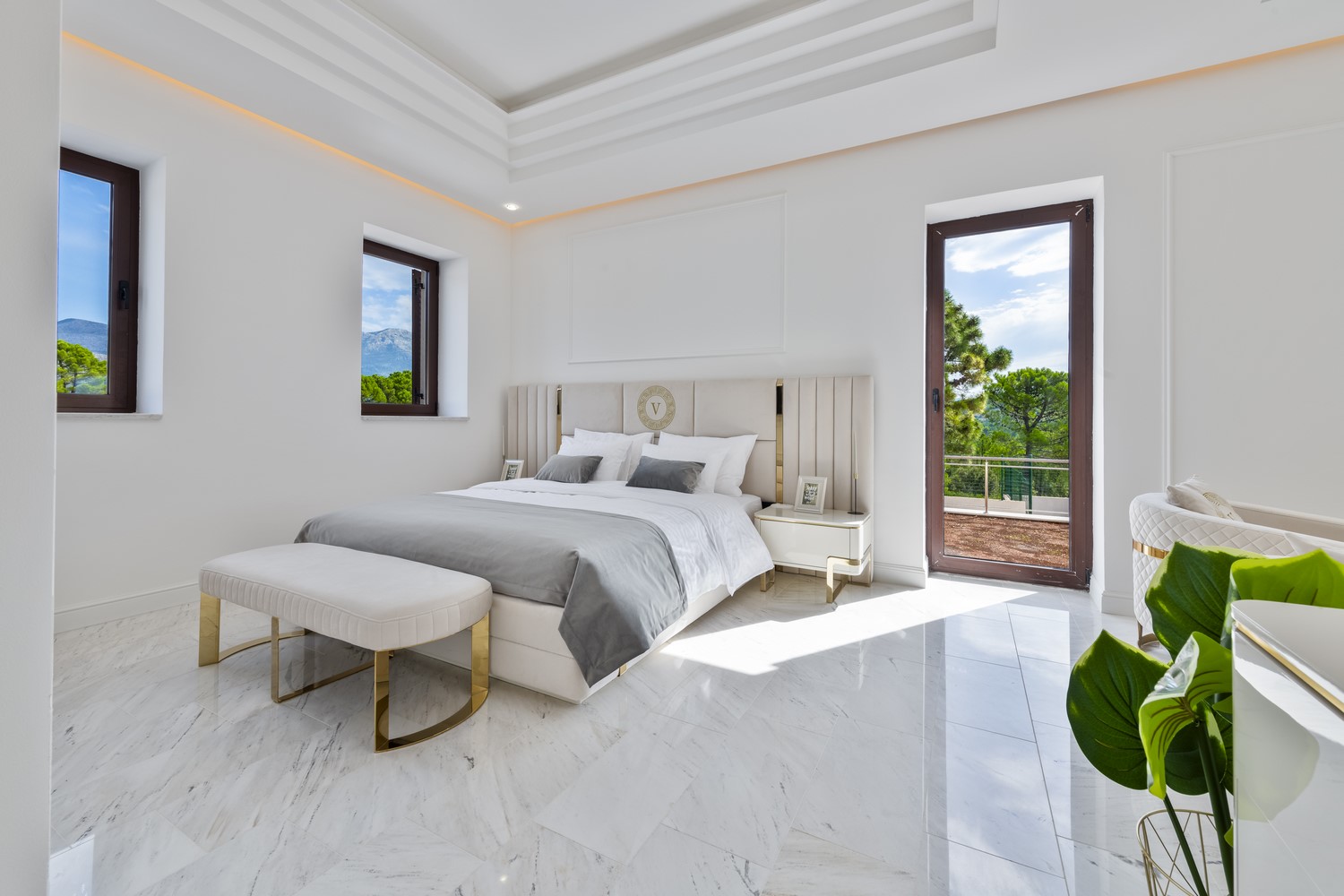
Architecture, land, and the question of permanence
One of the pleasures of analyzing Croatia’s upper-end coastal market is that the built form remains unusually varied. Buyers can move from minimalist contemporary villas to older stone houses, from penthouses with broad terraces to plot-led opportunities where the value lies as much in the right to create as in the building already present. This matters on the Dubrovnik Riviera because architecture is not merely aesthetic. It governs how the climate and the sea are actually lived.
Historic stone houses retain strong appeal because they speak the language of Dalmatia. Their walls, proportions, and relationship to terraces often feel more regionally rooted than imported luxury templates. Yet they can also bring complexity, from renovation standards to room flow and service integration. Modern villas, by contrast, often resolve those functional issues more neatly, offering clearer glazing lines, better indoor-outdoor transitions, and stronger alignment with contemporary family living. Buyers are often not choosing between old and new in a purely stylistic sense. They are choosing between two philosophies of comfort.
Plot size is another factor buyers sometimes underestimate. On paper, interior square metres may dominate discussion, but on the Riviera the land often dictates the true ownership experience. A generous plot can mean discretion from neighbouring houses, better orientation of terraces, stronger service circulation, and more control over the immediate visual environment. In a seafront context, control of sightlines and approach can matter as much as the house itself.

How international buyers are really comparing Dubrovnik
When international readers search for Croatia villas for sale, they are rarely evaluating Croatia in isolation. They are comparing it, implicitly or explicitly, with Mallorca, the Côte d’Azur, parts of coastal Italy, selected Greek island markets, and premium Portuguese positions. Dubrovnik remains interesting in that comparison not because it is uniformly cheaper, but because it still offers a persuasive combination of recognizability, coastline drama, relative scarcity, and lifestyle depth without the same degree of over-financialization seen in some more mature Mediterranean enclaves.
Within Croatia itself, Dubrovnik also competes with Split, Hvar, and Istria for premium second-home capital. Split and its wider orbit appeal to buyers who want stronger urban continuity and easier central Dalmatian logistics. Hvar retains glamour and island scarcity. Istria draws buyers prioritizing gastronomy, inland villa culture, and northern European driving access. Dubrovnik’s strength lies elsewhere: a more ceremonial sense of arrival, stronger global symbolism, and a dramatic southern position where city, coast, and maritime identity converge.
That does not mean every serious buyer should choose Dubrovnik. It means buyers who respond to cultural prestige, southern light, yachting adjacency, and the possibility of combining urban heritage with villa privacy often find it difficult to replace once they understand the market properly. For diaspora buyers especially, there can also be an emotional logic. Owning in the south is not simply a lifestyle decision. It can feel like a statement about return, continuity, and family geography.
Investment logic without sales language
No serious editorial examination of Adriatic property should ignore investment logic, but nor should it reduce the market to yield language alone. Premium Croatian coastal property behaves differently from purely financial assets because owners derive utility from use, identity, and optionality at the same time. A seafront villa can be a home, a seasonal family base, a hospitality-grade retreat, a long-duration hold against the erosion of buildable waterfront supply, and a statement of success or belonging.
For that reason, the right investment question is usually not “What is the return?” but “What combination of use-value, scarcity, and future flexibility am I buying?” On the Dubrovnik Riviera, persuasive answers tend to cluster around three features. First, enduring location value: genuine sea proximity, regional prestige, and constrained supply. Second, operational clarity: a property that owners, staff, guests, or family can use without constant friction. Third, adaptability: enough land, structural quality, or layout intelligence to keep the property relevant as tastes evolve.
Investment-minded buyers should also resist a familiar error: overestimating generic luxury finishes and underestimating location logic. A house can be redesigned. A weak micro-location usually cannot be repaired. Nor can compromised water access be transformed into convincing yachting practicality if the coastline itself is inherently awkward.
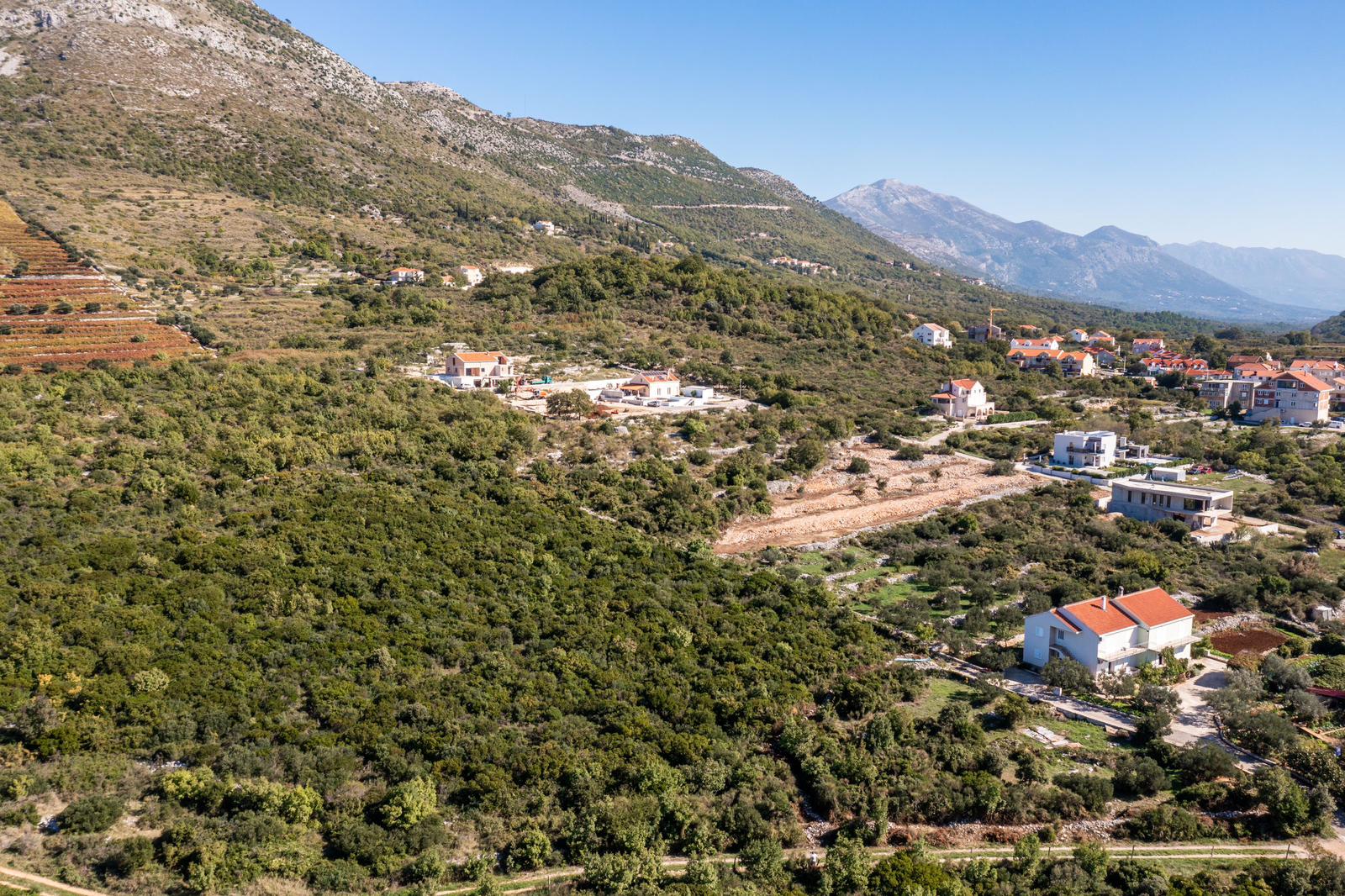
Practical filters before emotional commitment
Before committing emotionally to any Dubrovnik-area waterfront house, buyers are well served by applying a few disciplined filters. The first is seasonal behavior: how does the property feel not only in July, but in shoulder season and early winter? The second is movement: how many decisions are required to get from the airport, the marina, or the town to the front door? The third is guest logic: does the house work gracefully for visitors without turning the owner into an operations manager?
A fourth filter is neighborhood character. Some buyers need animation and should not pretend otherwise. Others say they want restaurants at walking distance when what they truly want is occasional access and otherwise control. The Riviera offers both, but ownership disappointment often begins when a buyer chooses a house whose social geography does not match the life they actually lead.
Finally, there is narrative fit. Do you imagine yourself taking the tender out early, or walking to coffee in a harbor town? Do you want a dramatic estate for multi-generational summers, or a refined coastal base that lets you move easily between villa, city, and sea? Once those questions are answered honestly, the Riviera begins to sort itself.
Best buyer discipline: before falling in love with a façade or a terrace, test the property against arrival logic, guest use, off-season behavior, privacy under pressure, and real maritime practicality.
Conclusion: what the best Dubrovnik Riviera purchases have in common
The strongest seafront purchases on the Dubrovnik Riviera rarely win on one metric alone. They combine maritime intimacy with practical movement, visual drama with everyday ease, and scarcity with a sense of long-term fit. That is why the upper end of luxury real estate in Croatia should not be read simply as a gallery of villas. It is better understood as a series of lifestyle decisions structured by land, sea, and access.
For readers weighing seafront property in Croatia or considering a second home in Croatia, Dubrovnik remains one of the country’s most persuasive premium markets not because it flatters the buyer immediately, but because it continues to reward careful judgement. The city’s global cachet matters. So do the islands, the coast road, the airport, the boating routes, and the softer alternatives such as Cavtat that place daily comfort alongside prestige rather than beneath it.
The best buyers therefore look beyond brochure language and ask a harder question: does this property improve the way I want to live on the Adriatic? If the answer is yes, the numbers and materials tend to make more sense. If the answer is uncertain, more viewings are needed, not more adjectives. On the Dubrovnik Riviera, that discipline is not caution. It is how intelligent ownership begins.
Frequently Asked Questions
What makes a Dubrovnik Riviera seafront villa truly valuable?
The strongest villas combine more than views. They bring together practical sea access, elegant arrival logistics, privacy, architectural quality, and a location that still works outside peak summer conditions.
Is Cavtat better than central Dubrovnik for yacht-oriented buyers?
For many buyers, Cavtat can be easier operationally because it offers softer town rhythm, quick airport access, and smoother daily movement. Dubrovnik, however, retains stronger symbolic prestige and city association. The better choice depends on whether the owner prioritises status or ease.
Should buyers choose direct frontage over stronger privacy?
Not automatically. Direct frontage can be emotionally powerful, but a slightly set-back property with better privacy, land, and access may prove more satisfying over time. The correct answer depends on whether the buyer is prioritising spectacle, swimming convenience, boating logic, or daily comfort.
Do historic stone houses still compete with modern villas on the Riviera?
Yes. Historic stone houses remain attractive because they feel regionally rooted and emotionally persuasive. Modern villas often perform better in terms of layout, glazing, and contemporary living flow. Buyers are usually choosing between two different philosophies of comfort rather than between old and new alone.
Is a plot-led opportunity worth considering instead of a finished house?
In some cases, yes. A well-positioned plot can offer better long-term control over design, privacy, and view structure than a finished house that compromises on location. It suits buyers willing to think strategically rather than only in immediate lifestyle terms.
Need help choosing the right Dubrovnik Riviera property?
Tell us your budget, intended use, privacy requirements, and boating or lifestyle priorities, and Cavtat Guide will help you think through the most suitable property type and micro-location across the Dubrovnik Riviera.