

A long-form editorial guide to the best marinas and harbors for yachts in southern Croatia, including ACI Marina Dubrovnik, Cavtat, Mljet, Korčula and Pelješac, with real route logic, embarkation strategy and guest-fit analysis.
Southern Croatia rewards yacht travelers who understand that not every harbour should do the same job. Some places are built for clean embarkation and technical calm. Others are better as soft arrivals, restorative pauses, or old-town evenings that give the route its social and architectural weight. This guide looks at the marinas and harbours that matter most between Dubrovnik, Cavtat, Mljet, Korčula, and Pelješac, and explains what each one does best so you can build a route that feels coherent rather than improvised.
The Best Marinas and Harbours for Yachts in Southern Croatia
Best for technical embarkation: ACI Marina Dubrovnik
Best for a graceful first or last night: Cavtat harbour
Best for a restorative mid-week stop: Mljet / Pomena
Best for old-town arrival drama: Korčula
Best for food-and-wine logic: Pelješac
The wrong harbour can quietly distort an otherwise beautiful charter week. A difficult fuel stop, a joyless marina after a long travel day, a berth that is technically correct but emotionally flat, weak provisioning, or an arrival that turns anticipation into administration — all of these shape the way guests remember the coast. Southern Croatia performs so well as a yachting region because it offers a rare range of marina and harbour types within a compact geography. Some places are excellent for technical embarkation. Some are elegant thresholds. Some restore pace in the middle of a route. Others matter because they add civic weight, visual drama or gastronomic texture exactly when the week needs it.
That is the useful way to understand the region. Not as a list of ports competing for the title of “best”, but as a sequence of coastal tools with different purposes. ACI Marina Dubrovnik excels where structure matters. Cavtat excels where arrival mood matters. Mljet, especially around Pomena, works as a restorative chapter in the route. Korčula gives a cruise old-town drama without the full pressure of a large city. Pelješac adds culinary variety, strategic flexibility and a more grounded shoreline rhythm.
This distinction matters more than many first-time guests realise. Travelers often imagine charter planning in terms of islands, swimming stops and restaurants, but crews, brokers and repeat charterers understand that the emotional architecture of the week depends just as much on where the yacht starts, where it pauses, where it refuels, where it shelters and where it reconnects with land at the right level of intensity. A marina or harbour is never simply parking. It is part of the narrative. It tells the guest whether the trip begins in efficiency, softness, ceremony, nature, appetite or scale.
Main planning rule: do not ask one harbour to do everything. The strongest southern Croatia itineraries let each place solve the task it naturally performs best.
ACI Marina Dubrovnik: the operational backbone
If the question is stripped of romance and reduced to practical value, the most useful embarkation point in southern Croatia is often ACI Marina Dubrovnik. Located in Komolac rather than directly inside the symbolic frame of the old city, it lacks the theatrical immediacy first-time clients sometimes expect when imagining a Dubrovnik departure. Yet that understatement is exactly why it works. The marina is built around function. Berthing makes sense. Fuel access is practical. Provisioning is easier to organise. Bareboat handovers and professional crew turnarounds can happen inside a structure designed to absorb administrative pressure rather than aestheticize it.
This matters because the beginning of a charter is almost never purely emotional. However elegantly the trip has been sold, the first hours often involve documents, luggage, inventories, safety briefings, cabin allocation, food loading and final technical checks. For a family catamaran, a bareboat monohull, a professionally managed crewed yacht or a premium motor yacht, these tasks are easier to complete in a marina whose whole identity is operational clarity. ACI Marina Dubrovnik therefore succeeds not because it is the region’s prettiest address, but because it prevents early friction from bleeding into the first cruising day.
Its weakness is real, but it is a weakness of atmosphere rather than utility. Guests looking for an instant cinematic arrival may find it less emotionally persuasive than a waterfront town or a visible old-stone harbour. Yet this criticism usually reveals a confusion of roles. ACI Marina Dubrovnik is not trying to be poetry. It is trying to make the charter begin correctly. That is often the more valuable service. A technically smooth start usually creates more beauty later in the week than a visually glamorous beginning compromised by congestion, delay or improvisation.
The best embarkation marina is not always the one that photographs best. It is the one that lets the rest of the week begin without needless friction.
For experienced charterers, this distinction is obvious. They know that the most elegant first day is often the one in which paperwork disappears quickly, fuel does not disrupt timing and provisioning is already under control. For first-time guests, the lesson usually arrives after the fact. A strong marina can feel understated in the moment and yet prove decisive in the memory of the trip. That is why ACI Marina Dubrovnik deserves to be understood as the region’s operational backbone rather than as a failed version of a romantic harbour.
Cavtat harbour: the elegant soft landing
Cavtat harbour belongs to a different category altogether. It is not the place every yacht should use for a fully technical turnaround, but it is one of the finest emotional thresholds in the southern Adriatic. The airport is close enough to make arrival feel civilised. The waterfront is immediately legible. Guests can walk, dine, settle and orient themselves without needing to solve a city. This makes Cavtat unusually strong as a pre-charter or post-charter base, and for selected local embarkations where the vessel type, operator and guest profile align with the harbour’s calmer, more human scale.
The essential difference is tonal. Cavtat does not stage the week as administration; it stages it as composure. Guests who arrive there do not feel that the trip has been paused until documents are signed. They feel that the Adriatic has already begun. That is a subtle but powerful advantage, especially for couples, repeat charter travellers, families with children or older guests who value smooth emotional sequencing as much as they value the vessel itself. A first evening in Cavtat can absorb flight fatigue, luggage disruption and the mild uncertainty of travel day while still feeling like part of the holiday rather than a holding pattern before the “real” experience begins.
Its scale is one of its great strengths. Nothing in Cavtat overwhelms the guest. The waterfront can be understood in minutes. Restaurants are close. The harbour relationship is intuitive. There is no need to decode a large marina complex or fight urban density immediately after landing. For luxury travelers this matters because ease is one of the least glamorous but most decisive forms of comfort. A place can feel more luxurious precisely because it asks less of the guest. Cavtat proves this repeatedly.
That said, Cavtat should not be romanticized into a universal answer. Larger vessels, more complex turnarounds and certain heavily provisioned departures may still be better served through structured marina environments. The point is not that Cavtat replaces ACI Marina Dubrovnik. It is that it solves a different problem. It offers the region’s best soft landing. For selected charters, that is more important than technical breadth. For others, it is the ideal hotel-and-yacht combination point, allowing guests to arrive in comfort and transition to the vessel only when the practical work is already largely settled.
Dubrovnik from the sea: spectacle, not administrative default
Approaching Dubrovnik from the sea remains one of the defining experiences of the eastern Adriatic. The walls, the old port, the stone density and the visual authority of the city continue to justify every cliché ever written about them. Yet from a yachting perspective this is precisely why Dubrovnik should be used selectively and with intention. It is best treated as a moment of high-value passage and cultural arrival rather than as the default place to solve technical charter logistics.
This distinction is crucial because many first-time guests conflate symbolic value with operational suitability. They assume that because Dubrovnik is the region’s best-known image, it must also be the cleanest place to begin or end a yacht trip. In practice, that is often not the case. The city should instead be allowed to do what it does best: provide visual drama, a sense of historic consequence, an unforgettable late-afternoon approach and a compelling night ashore if the berth, weather and timing align. Used that way, it becomes one of the week’s emotional peaks. Used as a purely administrative base, it can become cumbersome faster than the imagery suggests.
In itinerary terms, Dubrovnik is not the practical heart of the route. It is the ceremonial chapter. That is an important distinction. Ceremonial chapters are essential, but they should not be asked to perform tasks already solved more elegantly elsewhere. A strong southern Croatia itinerary often gains from letting ACI Marina Dubrovnik handle structure, Cavtat handle arrival tone and Dubrovnik handle spectacle. Once those roles are separated, the week becomes far more coherent.
Mljet and Pomena: the restorative harbour
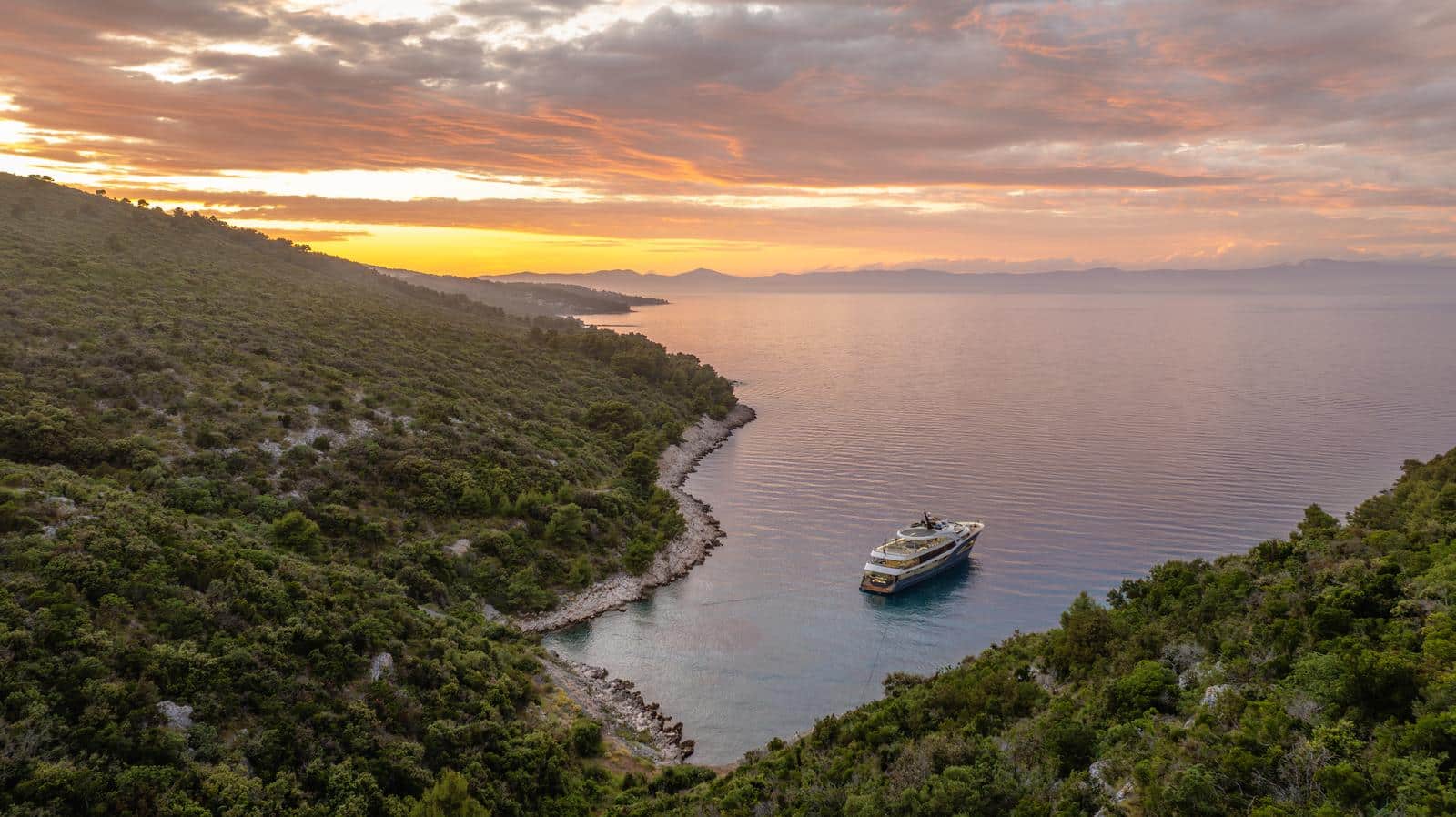
There are marinas that make a charter function and harbours that make a charter breathe. Mljet, especially around Pomena, belongs firmly to the second category. Its draw is not only practical usefulness but the tonal recalibration it offers after the more visible and performative stretches of the southern coast. The wooded setting, protected water and slower rhythm immediately alter the psychological pace of the week. For guests, Mljet often feels like relief. For crew, it can be a valuable shelter and reset point. For the route itself, it prevents the charter from becoming a sequence of increasingly similar postcard arrivals.
Pomena works especially well in the middle portion of a one-week trip. It is where bicycles, national-park walking, stern swimming and long lunches begin to matter more than urban dining or arrival theatre. Older travelers, couples, quiet-luxury clients and guests who value nature often rate Mljet extremely highly for this reason. They do not need every stop to prove its status socially. They want one chapter of the week that recalibrates the senses. Mljet delivers that cleanly.
It is important, however, to understand Mljet’s role correctly. Pomena is rarely the ideal formal start or finish of a charter. It does not want to carry the weight of embarkation paperwork or final transfer choreography. Its strength lies elsewhere. It is the harbour where the week deepens. By the time a yacht reaches Mljet, the crew should be settled, the guest habits established and the charter’s mood clear enough for a quieter place to carry real meaning. Used too early, Mljet can feel underactivated. Used in the middle, it often becomes one of the most memorable stops of the entire week.
Korčula: where the route acquires civic weight
One of the risks of Adriatic yacht itineraries is tonal over-similarity. Clear water, pine cover, swimming platforms and beautiful anchorages can begin to merge if the week contains too little urban or architectural punctuation. Korčula solves this problem elegantly. The old town gives the charter a proper civic chapter: walls, stone, evening movement, restaurants, harbour perspective and the sense that the yacht has reached not just another scenic stop but a place with shape, memory and social life.
For guests, this contrast matters enormously. Not every traveller wants endless coves, however beautiful the water. Many want one or two evenings in which the shore itself becomes part of the event. Korčula provides that without the larger, heavier energy of a major city. It feels historic without becoming overwhelming. It feels cultivated without becoming overproduced. In route design, that balance is exceptionally useful.
Its challenge is seasonal intensity. In peak summer, a berth here is not merely a convenience but a prize, and should be treated as such. Arrival timing, reservation discipline and realistic expectations all matter. Yet when handled well, Korčula becomes one of the southern Adriatic’s clearest examples of why harbour choice is also narrative choice. It changes the week from a sequence of sea days into a richer conversation between sea and stone.
Pelješac: not one harbour, but a planning principle
Pelješac is best understood not as one definitive yachting stop but as a flexible strategic layer inside the route. The peninsula offers culinary logic, wine logic, oyster logic and, just as importantly, tonal variation from the island sequence that dominates many southern Croatia charters. It is especially useful when a week risks becoming too repetitive. After a run of island anchorages and old-town glamour, Pelješac introduces a more grounded, gastronomic and terrain-led mood.
This is why serious route planning should always keep Pelješac in reserve, even if first-time guests initially focus on Dubrovnik, Mljet and Korčula. The peninsula can act as a lunch-led detour, a wine chapter, a protected night or a smart adjustment if weather or berth pressure shifts the original plan. That flexibility is not secondary. In a crowded season, it can be one of the most intelligent forms of luxury. A route that can adapt well almost always feels more refined than one that forces every famous stop whether conditions justify it or not.
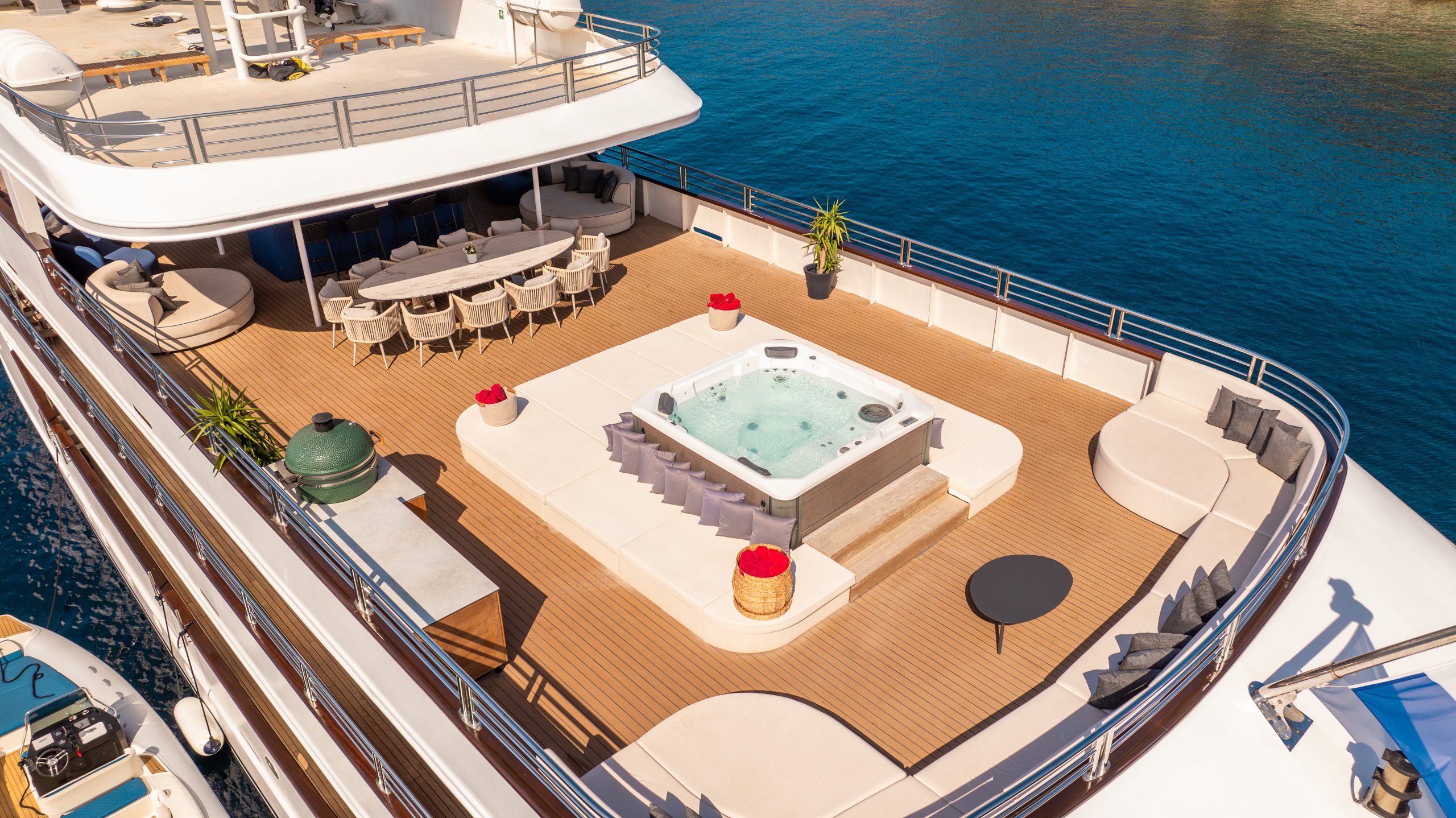
Pelješac also helps correct a common mistake in luxury planning: assuming refinement comes only through the most photographed names. In practice, refinement often comes from modulation. The best week is not simply a climb through escalating headline stops. It is a sequence with texture. Pelješac gives the itinerary that texture.
Fuel, provisioning and the guest experience they shape invisibly
Guests rarely book yachts thinking first about fuel timing or provisioning logic, yet they feel both directly. A poorly timed fuel stop compresses the day. Weak provisioning appears in breakfast quality, pantry resilience and crew stress. A harbour with awkward supply access alters mood even when no guest can name exactly why. This is one reason ACI Marina Dubrovnik remains so important within the southern Croatia ecosystem. It is not simply a place where boats begin. It is a place where supply, order and technical readiness protect the emotional quality of the days that follow.
Cavtat, by contrast, is excellent for staging, guest transition and arrival softness, but should be judged case by case for more complex technical turnover. Mljet and Korčula are strong route stops, not substitutes for a structured embarkation marina. Pelješac is strategically useful, but not in the same infrastructural category as ACI. These distinctions matter because yachting is ultimately a system, not just a sequence of attractive frames. A sophisticated week feels easy partly because its harder logistical tasks were solved in the correct places rather than imposed on unsuitable ones.
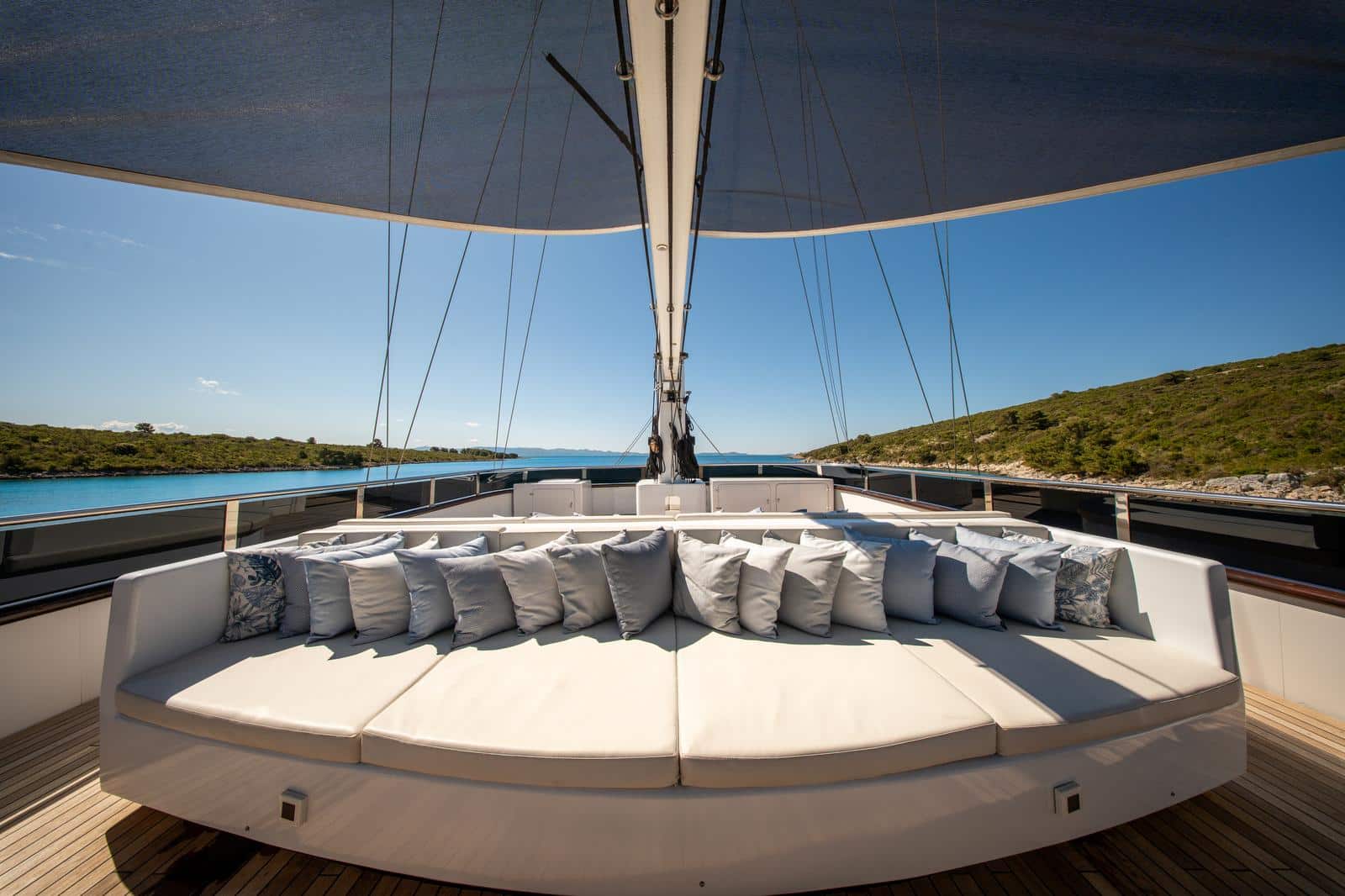
A good harbour does not simply protect the yacht. It protects the rhythm, appetite and emotional coherence of the week.
| Harbour or marina | Best use | Main strength | Main caution |
|---|---|---|---|
| ACI Marina Dubrovnik | Embarkation, disembarkation, bareboat handover | Infrastructure, fuelling, provisioning, order | Less atmospheric than a waterfront-town boarding |
| Cavtat harbour | Soft embarkation, arrival night, selected departures | Airport access, calm tone, easy waterfront life | Not every larger technical turnaround belongs here |
| Dubrovnik sea approach | Signature passage and selective stop | Visual impact and cultural weight | Not the easiest administrative base |
| Pomena / Mljet | Rest day, sheltered overnight, national-park stop | Calm, nature, route reset | Best as a mid-week stop, not a charter base |
| Korčula | Town night and gastronomic chapter | Historic arrival and strong shore life | Busy in peak season |
| Pelješac stops | Food, wine and strategic variation | Culinary value and route flexibility | Requires specific stop selection |
Which harbours suit which kind of guest?
First-time charter families usually benefit from one clear principle: reduce first-day friction. That often means a structured handover at ACI Marina Dubrovnik, a hotel night in Cavtat, or a carefully staged combination of both depending on the vessel and operator. Experienced sailors doing bareboat work should typically favour the marina structure of ACI because clarity matters more than romance during technical preparation. High-service crewed guests often benefit from a two-step model: refined land arrival first, operational boarding second. Couples on quieter, more contemplative routes may find that Mljet and Korčula do more to define the week than any embarkation point ever will.
Vessel type matters as well. A catamaran rewards marinas that can handle beam without turning the manoeuvre or the bill into theatre. A motor yacht may justify selective premium berths if the shore experience and service level make them worthwhile. A gulet or traditional motorsailer is often most persuasive where harbour culture still feels connected to local life rather than reduced to modern marine infrastructure. A monohull sailing yacht is more flexible, but still depends on the correct opening base to prevent fatigue from entering the itinerary too early.
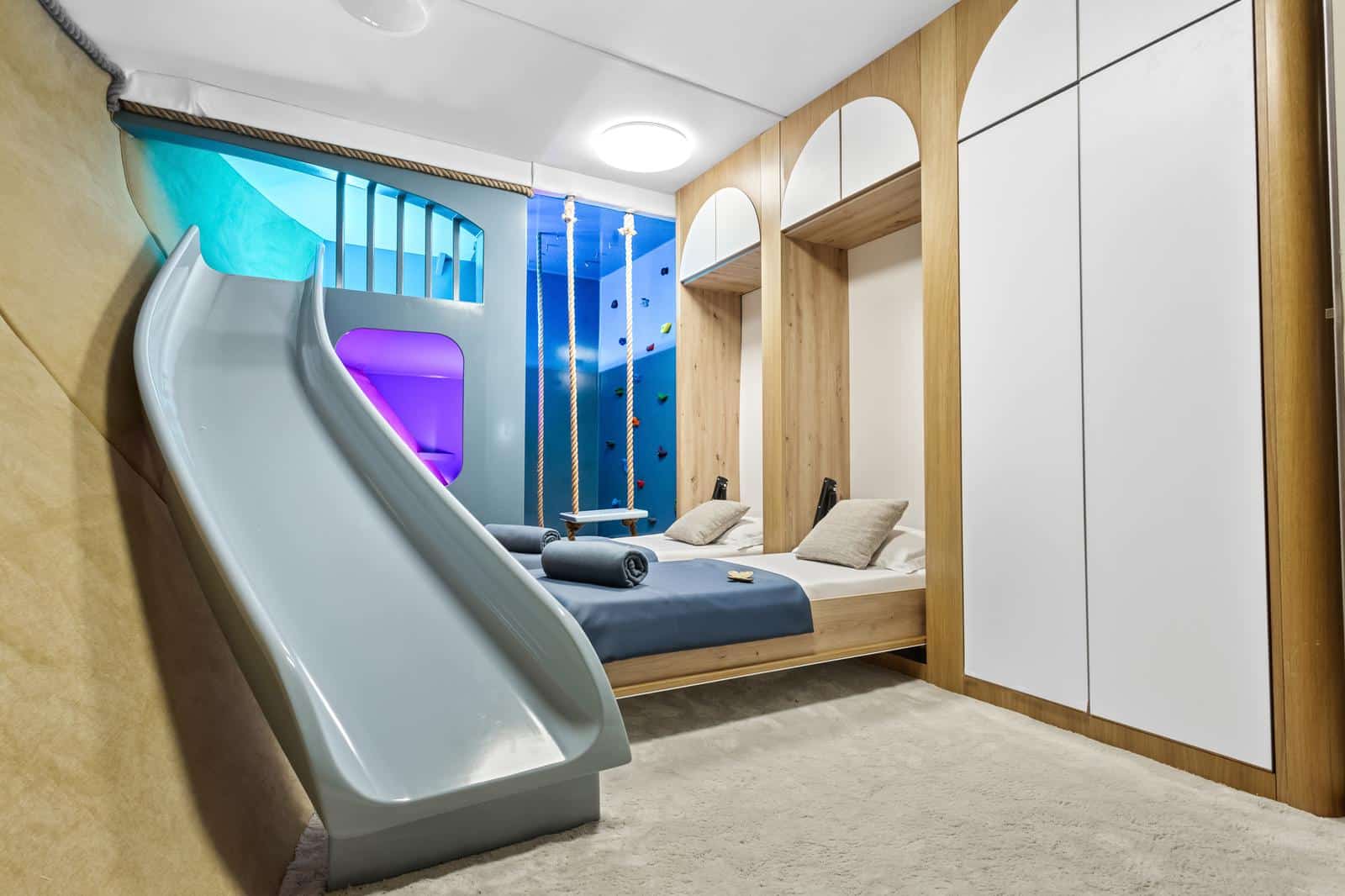
This is why the best harbour choice is rarely abstract. It depends on the combination of group size, vessel class, season, travel rhythm and tolerance for complexity. The same berth can feel wonderfully efficient to one crew and emotionally flat to another. Serious planning acknowledges that difference instead of pretending one answer fits every charter.
Ambience versus usefulness
Yachting culture can sometimes overvalue ambience and undervalue usefulness. Some ports look magnificent but are awkward to operate from. Others appear ordinary and quietly make the week function. Southern Croatia rewards guests who understand the difference. ACI Marina Dubrovnik is not where you go to feel poetic. It is where you go to begin correctly. Cavtat is where you go to feel the trip soften into place. Dubrovnik is where you go for spectacle. Mljet is where you go when the week needs oxygen. Korčula is where you go when the route needs stone, dinner and urban punctuation. Pelješac is where you go when the itinerary needs texture beyond the expected island sequence.
There is no contradiction in admiring all of these for different reasons. That is the point. Harbour intelligence is not about finding one perfect place and forcing the whole route around it. It is about matching each place to the task at hand with enough honesty that the guest never feels the joins between logistics and pleasure.
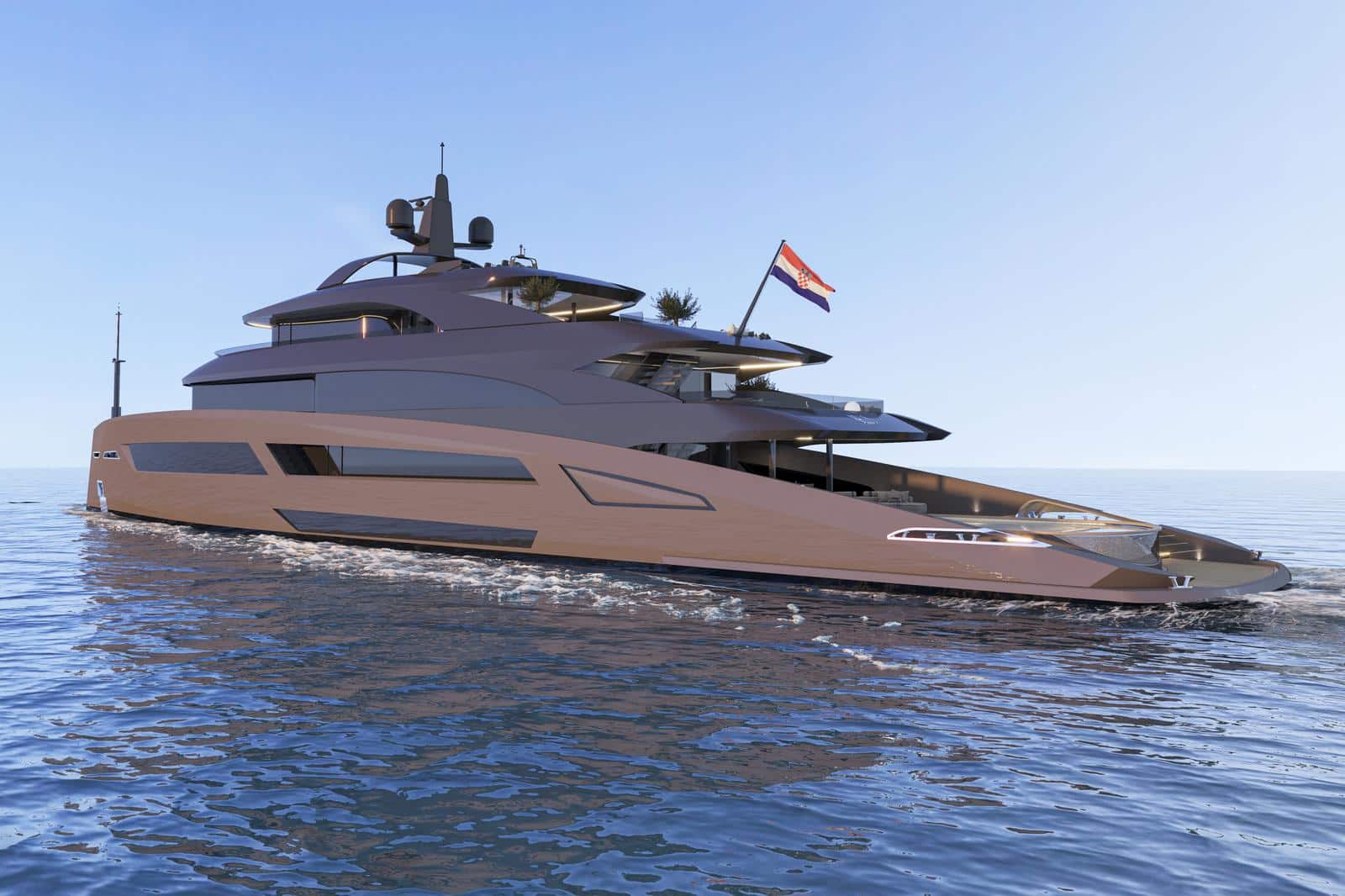
How Cavtat fits the wider southern Croatia plan
Cavtat’s special strength is that it behaves well both as a destination in its own right and as a maritime threshold. One can arrive there, settle there, dine there and sleep there, yet still treat it as the beginning of a larger charter rather than as a separate city-break chapter. This flexibility is why it keeps appearing in thoughtful yacht planning. The town is not trying to rival Dubrovnik’s symbolic scale. It is trying to let the Adriatic begin properly.
Even the smaller details matter. Waterfront movement is intuitive. Restaurants are close to the harbour. The airport relationship is efficient. Luggage, nerves, children, late arrivals and quiet first drinks all fit naturally inside the setting. None of these details sound glamorous when described abstractly, but collectively they create one of the most persuasive pre-charter environments in the region. Luxury often begins exactly there: not in a bigger marina, but in a smoother threshold.
Conclusion
The best marinas and harbours in southern Croatia are not best in the abstract. They are best when given the right role. ACI Marina Dubrovnik is the region’s operational backbone. Cavtat is its most graceful threshold. Dubrovnik from the sea is the signature visual chapter. Mljet restores pace. Korčula adds civic weight. Pelješac diversifies and refines the route. Guests who understand these roles do not waste the week asking one harbour to do everything. They let each place solve the exact problem it is naturally equipped to solve.
That is the real intelligence of yachting in southern Croatia. Not simply choosing beautiful places, but arranging beautiful places in the right order and for the right reasons. Once that happens, the route feels less like a checklist of famous names and more like a composed maritime experience. The week begins correctly, softens where it should, sharpens where it should, and never confuses administration with atmosphere. In a region as rich as this one, that distinction is where true planning begins.
Plan the route, not just the stops
Use this article as a harbour-logic guide. The strongest yacht week in southern Croatia usually comes from matching the vessel, guest profile, season and harbour role rather than simply chasing the most famous names. For cost structure, continue with what a week on a Croatian yacht really costs in 2026. For vessel fit, read our vessel comparison guide.
Planning a yacht charter in southern Croatia?
Tell us your dates, vessel type, group size and preferred travel rhythm, and Cavtat Guide will help you choose the right marinas and harbours for embarkation, overnight stops and the most intelligent southern Adriatic route.