

A refined guide to choosing between motor yachts, catamarans, gulets and sailing yachts in Croatia, with practical insight on comfort, cost, crew, family fit and route logic.
Choosing the right charter vessel in Croatia is less about prestige than about behavioral fit. A motor yacht, catamaran, gulet, and sailing yacht can all move through the same Adriatic landscape while delivering completely different weeks. The right choice depends on how your group lives between breakfast and bedtime: how much privacy you want, how well you tolerate motion, how important deck life is, and whether the route should feel fast, soft, social, or unmistakably nautical. This guide compares the four vessel types properly, so the decision rests on lived experience rather than brochure instinct.
Motor Yacht vs Catamaran vs Gulet: Choosing the Right Charter Vessel in Croatia
Choose a motor yacht for speed, service and a lower-friction luxury week.
Choose a catamaran for stability, family comfort and easy outdoor living.
Choose a gulet for slower deck culture, social warmth and an Adriatic feel.
Choose a sailing yacht only if sailing itself is part of the pleasure, not merely the transport.
Most charter mistakes happen before anyone sees the sea. They happen when guests choose a vessel according to an image rather than a week. A glossy motor yacht can appear to solve everything. A catamaran can look like the obvious family answer. A gulet can promise romance and old-world deck life. A sailing yacht can flatter the idea that everyone on board is more nautical than they really are. The right question, however, is not which boat photographs best. It is which platform makes the specific group happiest between breakfast and bedtime for seven consecutive days.
Croatia is unusually good terrain for this comparison because all four major vessel categories operate here with real depth. In southern Croatia a charter guest can move from bareboat monohulls to crewed catamarans, from traditional wooden motor sailers to polished motor yachts and higher-value luxury platforms without ever leaving the same broad cruising area. That makes the decision richer, but also more confusing. Each type handles distance, weather, dining, privacy, children, docking and seasickness differently. That is where honest comparison begins.
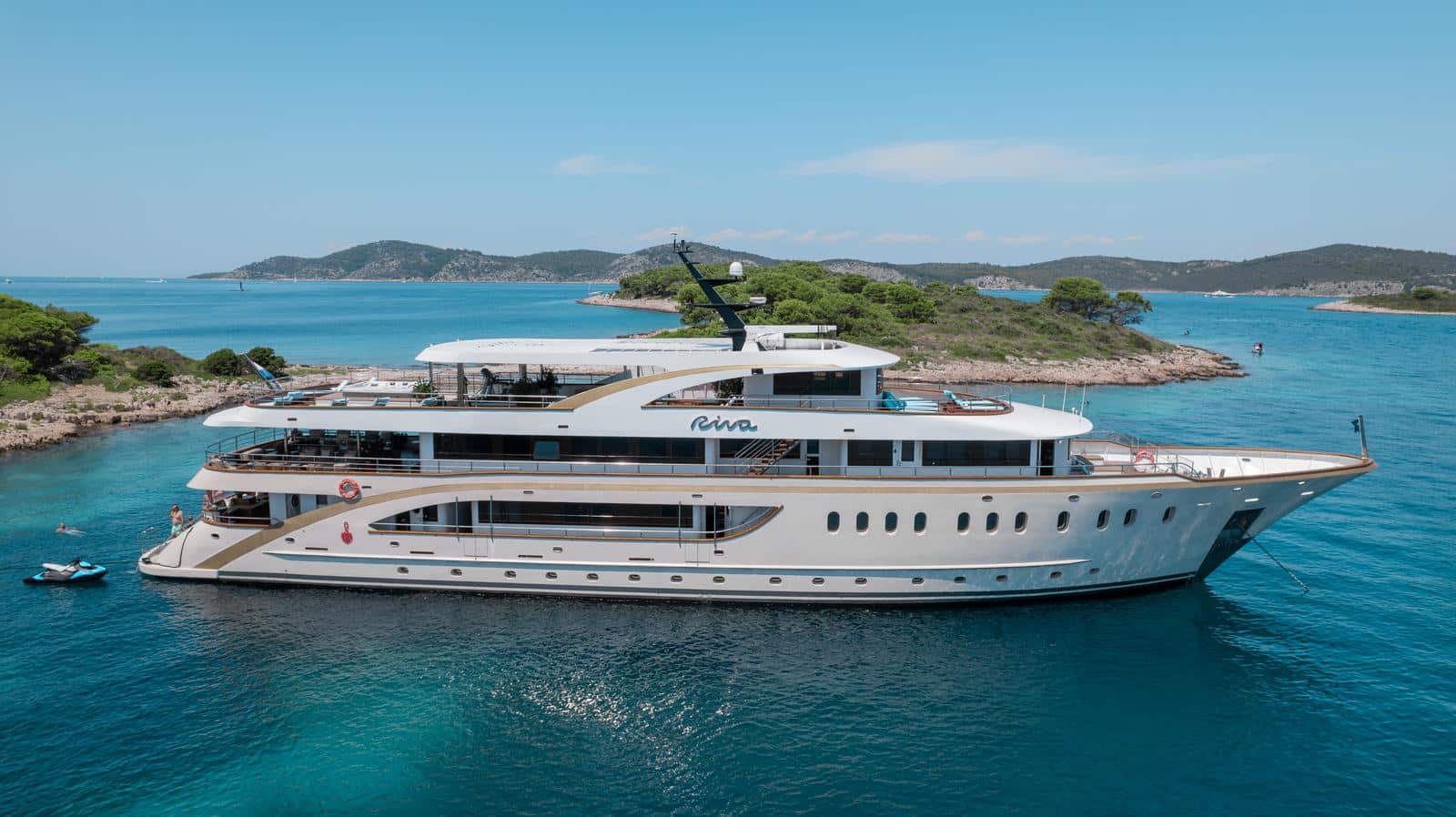
Main principle: do not choose the boat that sounds most glamorous in theory. Choose the one that makes the daily rhythm of the week feel easiest, happiest and most natural for your group.
Motor yacht: pace, privacy and hosted ease
A motor yacht is the strongest answer for clients who value time, privacy and highly managed comfort. It can cover more miles in a day, alter plans more quickly and compress the coastline into a week that would feel much smaller on a slower vessel. This is why motor yachts appeal to charterers trying to combine places such as Cavtat, Dubrovnik, Mljet, Korčula and Pelješac without making the itinerary feel punishing. They also suit guests who want service to feel seamless: breakfast set up properly, toys deployed without discussion, tenders handled quickly, and passages short enough that the day belongs more to destination than to transit.
The trade-off is cost and, in many cases, formality. A proper crewed motor yacht in Croatia usually sits in a different financial category from family catamarans and monohulls. Fuel matters more. Crew presence is a benefit, but for some guests it also introduces a degree of performance into the holiday. Being looked after can feel elegant or faintly exposing depending on personality. The best motor-yacht clients know before they book whether they enjoy that style of hosted living.
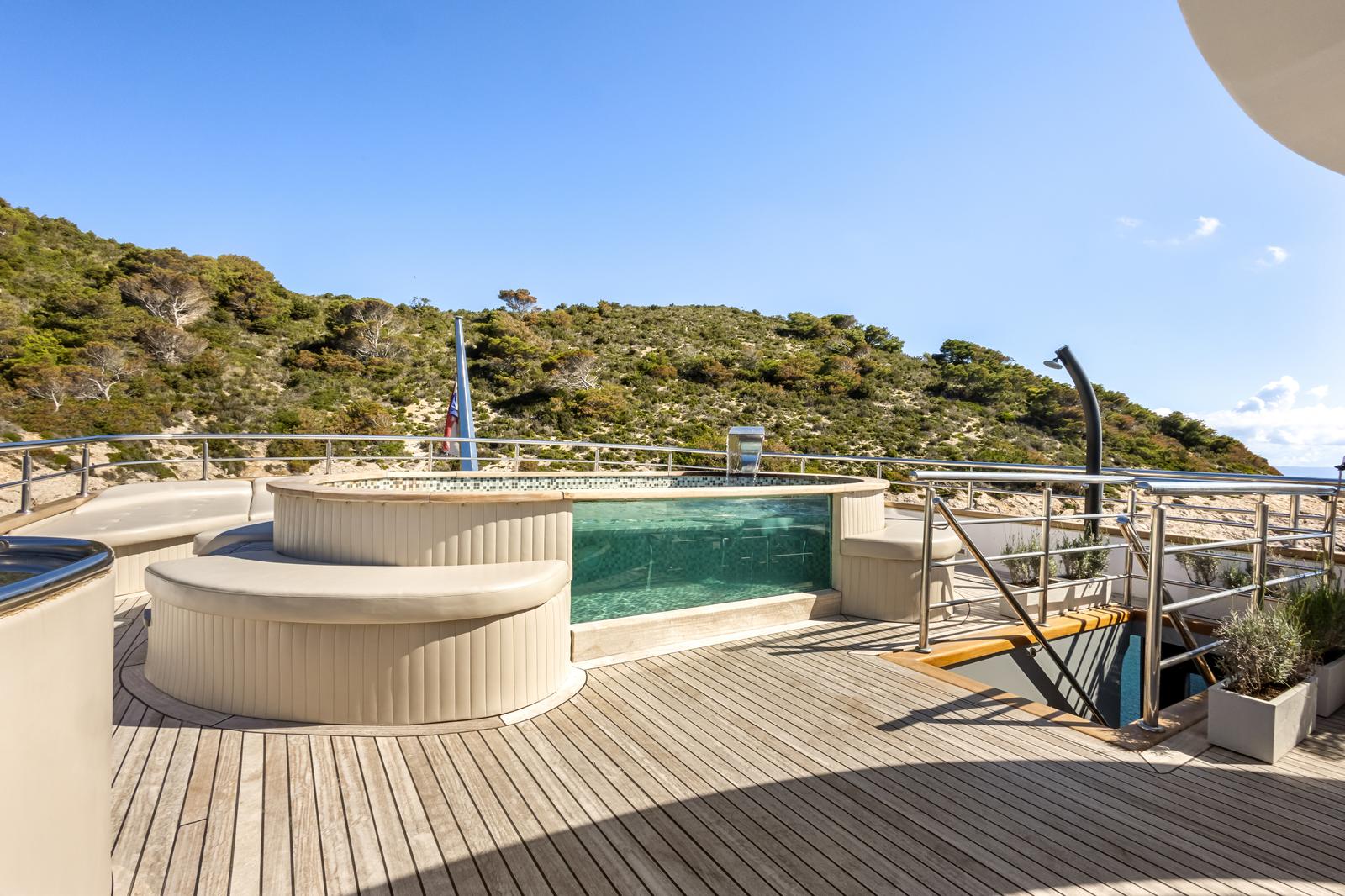
Examples such as Riva, Bella, Premier, Anima Maris and other upper-tier Croatian yachts help illustrate the range. Some are more entertainment-led, some more family-friendly, some stronger for outdoor lounging and some tuned for guests who care deeply about interior finish and polish. But they share the same proposition: the vessel reduces friction around time and distance.
Motor yacht is best for: high-service couples, hosted groups, ambitious one-week itineraries, and guests who would rather spend on speed and crew than on patience.
Catamaran: stability, space and family logic
If there is one vessel type that has reshaped modern charter expectations in Croatia, it is the catamaran. The reasons are practical rather than fashionable. Catamarans give guests usable beam. Cabins are often better separated. The saloon usually connects naturally with the cockpit. Children can move around with more confidence. At anchor, the platform often feels calmer. For families, mixed-age groups and guests anxious about rolling motion, this can be decisive.
The cost usually sits in a middle band. Compared with a monohull, a catamaran feels easier socially. Meals work better. Reading, snacks, board games and lazy afternoons all feel more plausible. Compared with a motor yacht, it sacrifices pace and some service theatre, but many groups do not miss those things. They gain instead a floating apartment with better outdoor living and simpler access to the sea.
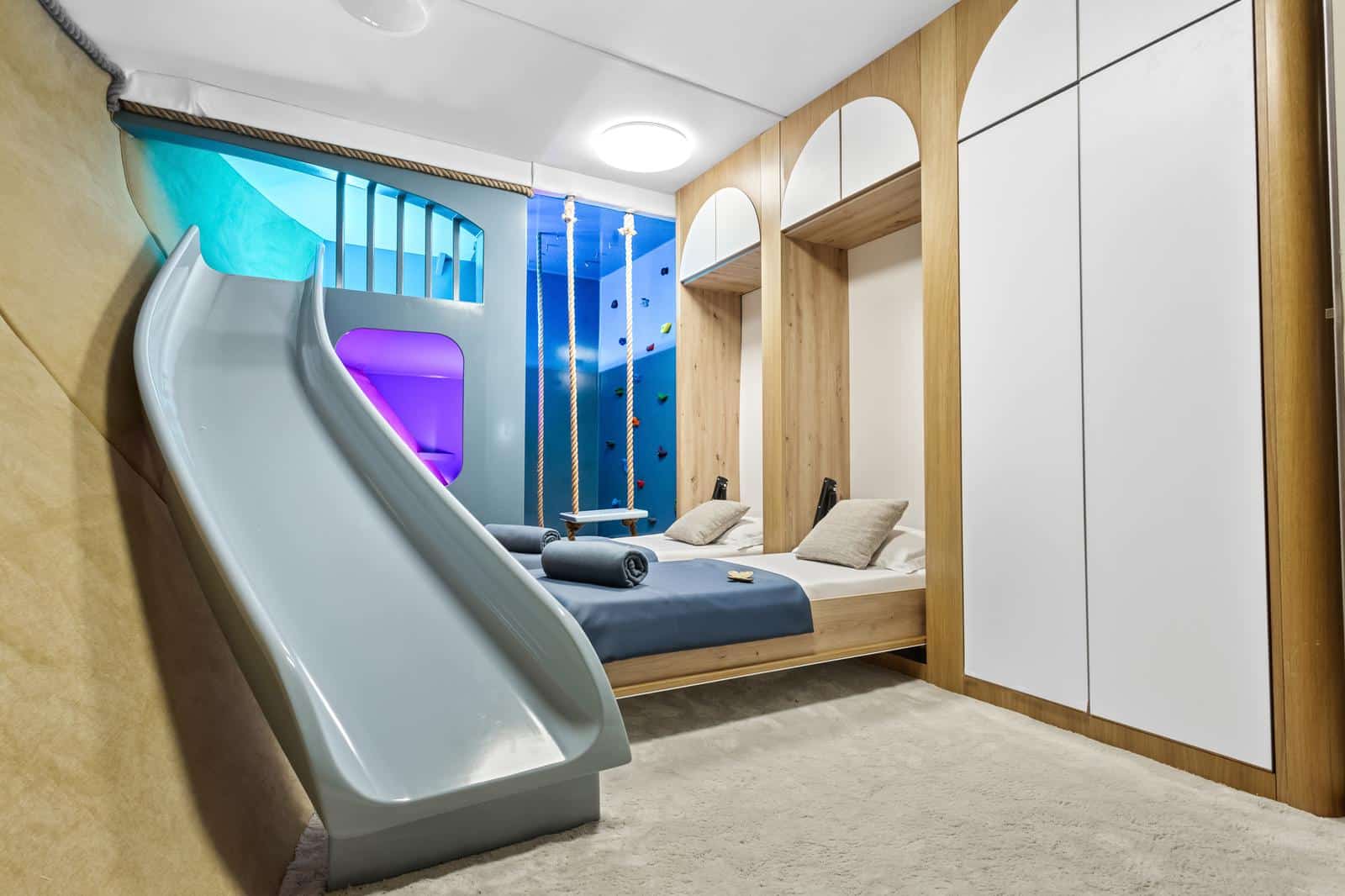
The price of that beam appears in marinas and on berth bills. Catamarans need width, and width often costs money in popular harbours. In crowded summer conditions, a skipper may need to be more selective about docking and more willing to stay at anchor instead. Most experienced charterers accept this gladly. They understand that a catamaran earns its keep between berths, not because it slips neatly into every old-town quay.
Catamaran is best for: families, mixed groups, guests worried about motion, and travellers who want the week to feel easy rather than technically nautical.
Gulet: deck culture, slower miles and social warmth
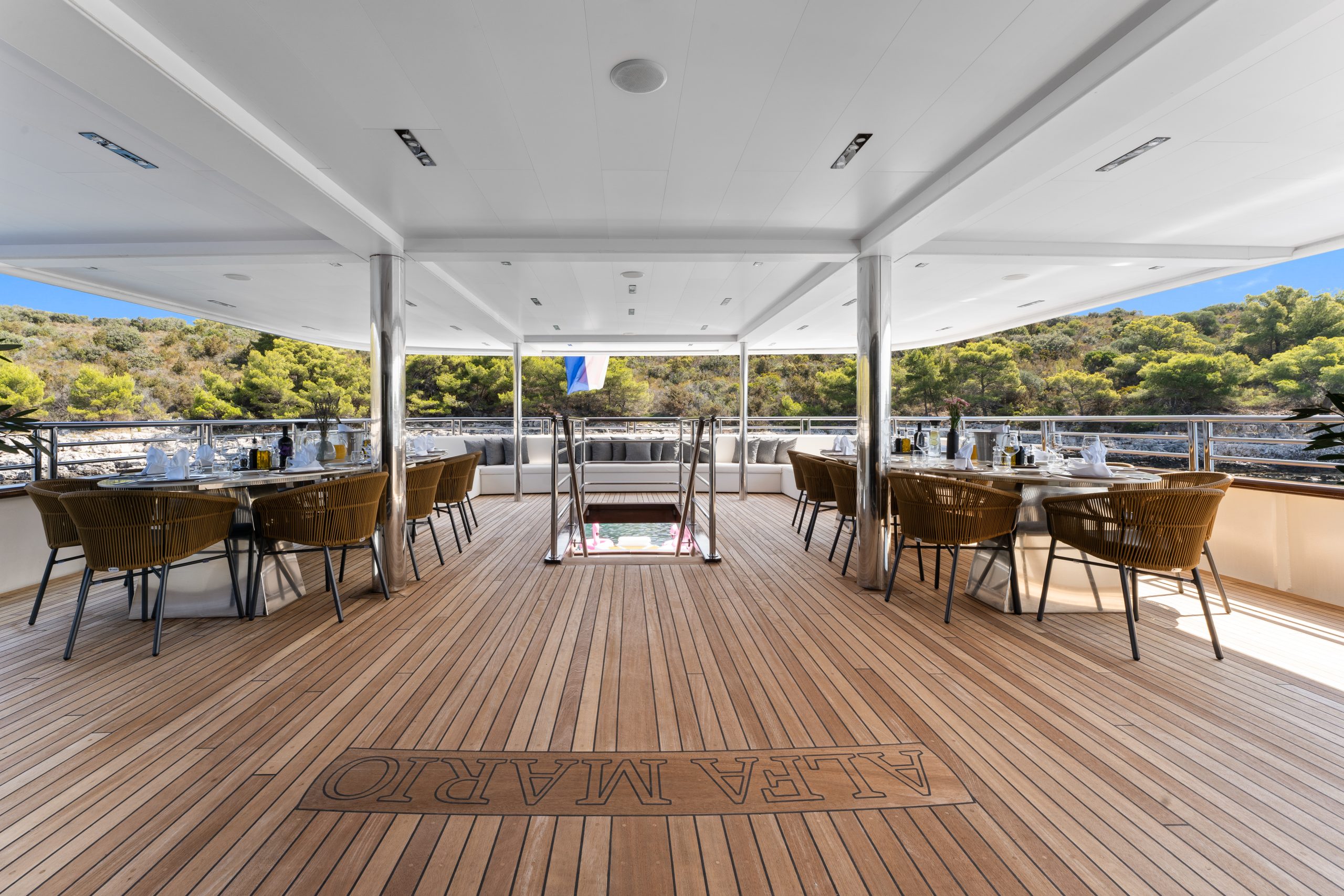
Guests who have never been on a gulet often misread the category. They imagine it either as a quaint compromise or as a lower-grade alternative to more modern yachts. In Croatia, the better gulets and traditional motor sailers are something more specific: deck-first charter platforms with a social architecture that many contemporary vessels struggle to match. They are built for shade, long lunches, aft-deck conversation, gentle cruising and the sense that the holiday should be lived outside.
A gulet is almost never the right answer for clients obsessed with speed. Nor is it automatically the cheapest way to travel once crew, service and on-board comfort are properly valued. But for extended families, multi-generational groups, celebration weeks and guests who want the vessel itself to feel culturally anchored in the Adriatic, a gulet can be ideal. Meals are better because the table is better. Conversations last longer because nobody is rushing to the next bay. The charter becomes less about covering ground and more about inhabiting the coast.
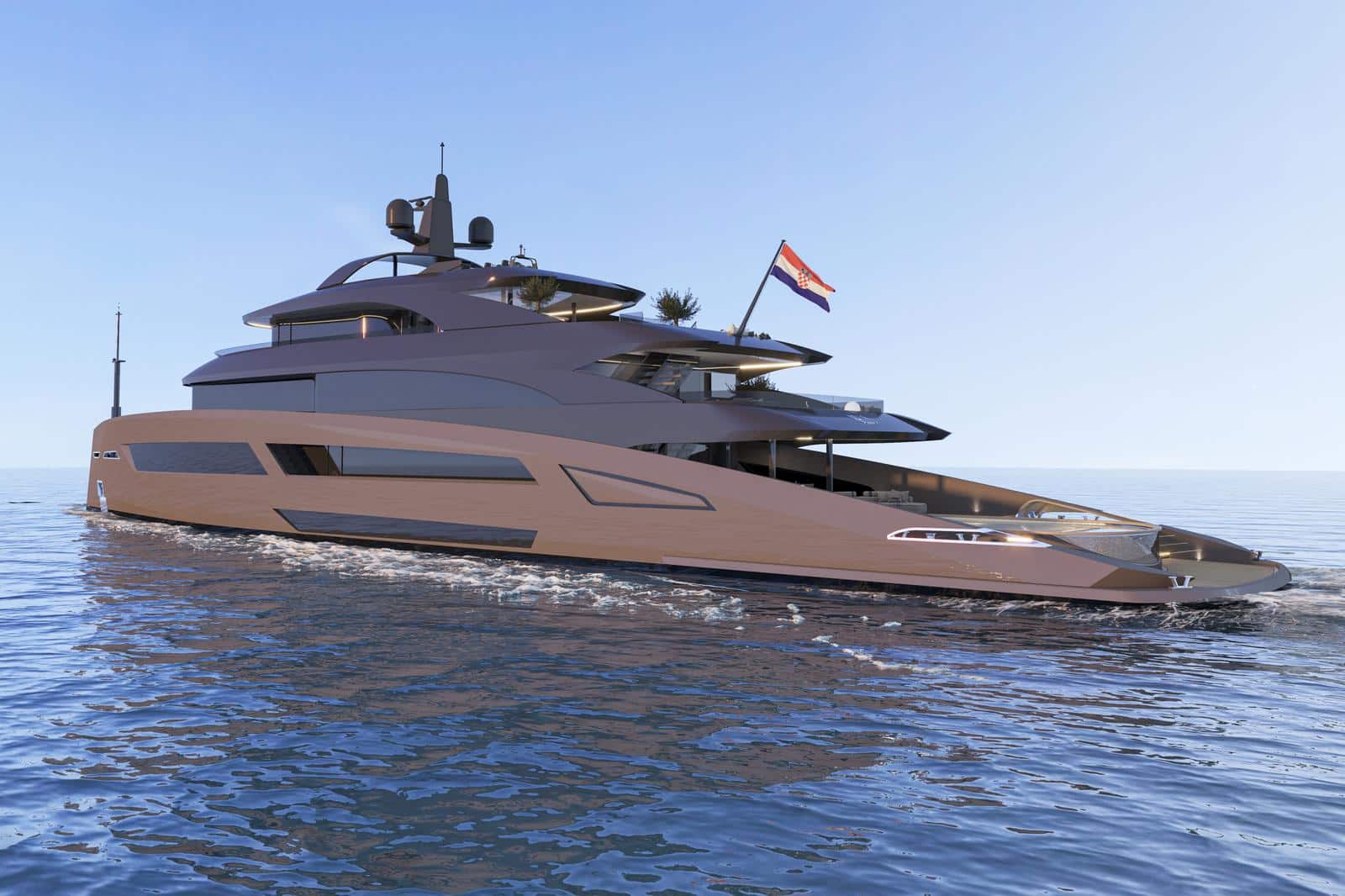
References such as Bellezza are useful here because they remind guests what Adriatic deck life feels like when speed is not the point. Larger private gulets and polished motor sailers translate that instinct into a more elevated charter product.
Gulet is best for: celebratory groups, long lunches, outdoor living and guests who want the boat itself to feel part of the Adriatic story rather than merely a platform for moving between stops.
Sailing yacht: the purest form, if you genuinely want it
The monohull sailing yacht remains the purest expression of charter freedom, but only for the right people. It works best when the act of sailing is itself part of the pleasure. If trim, heel angle, changing wind and weather-reading sound attractive, the yacht will reward you. If the group simply wants islands, restaurants and comfortable swim platforms, a sailing yacht can become an argument generator. Space is tighter, movement is narrower and the experience is more dynamic in every sense.
That said, sailing yachts remain the most economically rational gateway into Croatia for licensed and confident crews. They also preserve something harder to price: narrative. On a monohull, the passage matters. Guests sit differently. The day acquires shape through wind, trim and arrival. For some groups, that is exactly the romance they came for. For others, it is simply more work between swims.
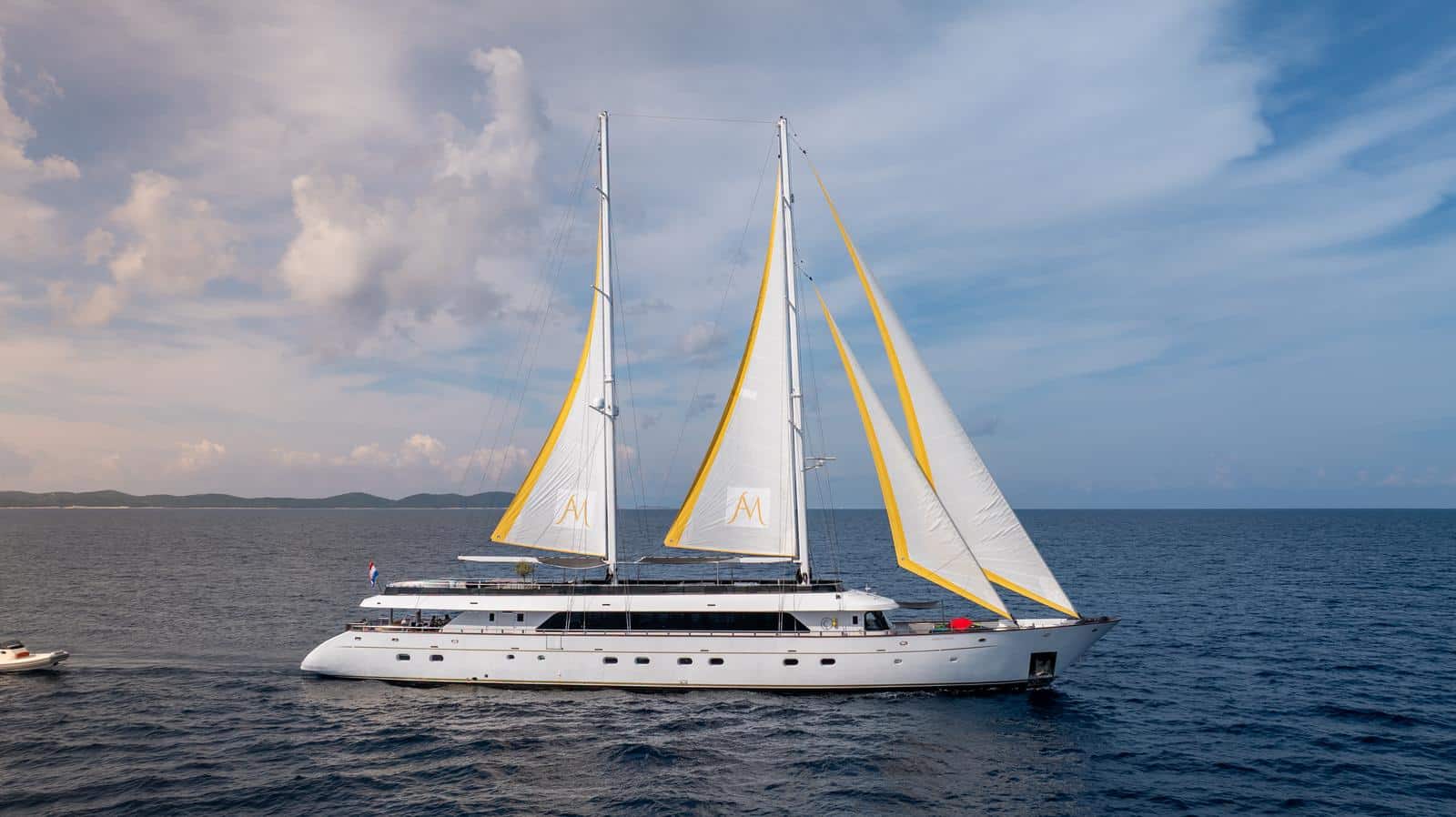
Sailing yacht is best for: experienced sailors, smaller groups, and guests who genuinely want to sail rather than merely say they sailed.
How the categories compare in comfort
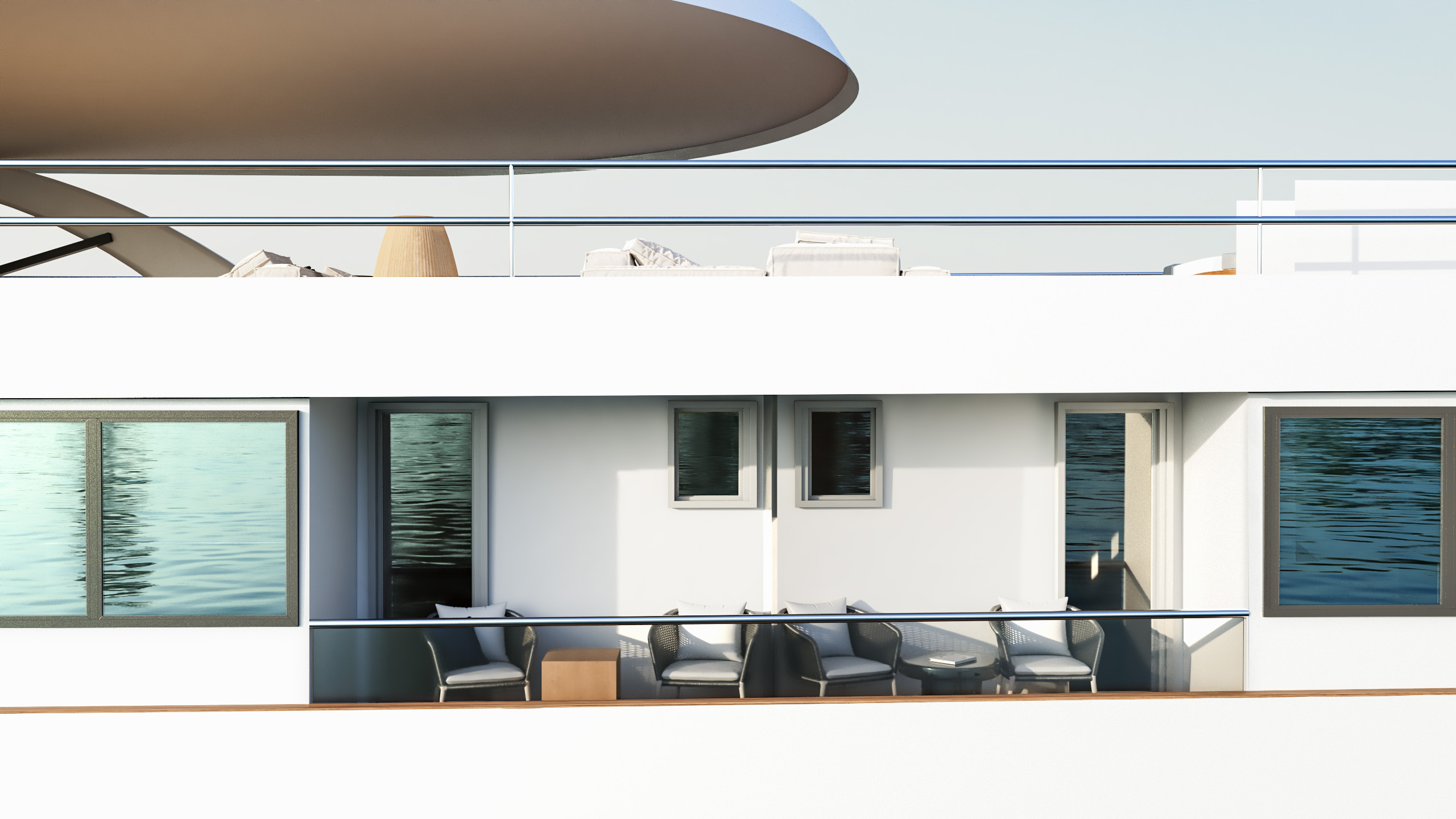
Cabin comfort is one of the areas where brochures mislead by omission. A catamaran often wins on perception because the cabins feel more symmetrical and the shared spaces feel more domestic. A motor yacht can surpass it in finish, sound insulation and service, but only once budgets rise sharply. A gulet offers a different kind of comfort less about identical private cabins, more about the generosity of the communal deck. A monohull sailing yacht tends to ask guests to accept tighter quarters in exchange for a more nautical experience.
Stability is similarly misunderstood. If someone in the group is worried about seasickness, catamarans usually deserve serious attention because their motion at anchor is often gentler. Motor yachts can feel smooth when conditions are kind and the vessel is substantial, but fast passages and beam seas can still unsettle guests. Gulets, with their slower pace and wider social areas, often help simply because life unfolds in a more relaxed rhythm. Monohulls, naturally, demand the highest tolerance when conditions become lively.
The right charter boat is the one that makes your compromises feel natural. The wrong one turns every compromise into a debate before lunch.
Children, grandparents and the mixed-group problem
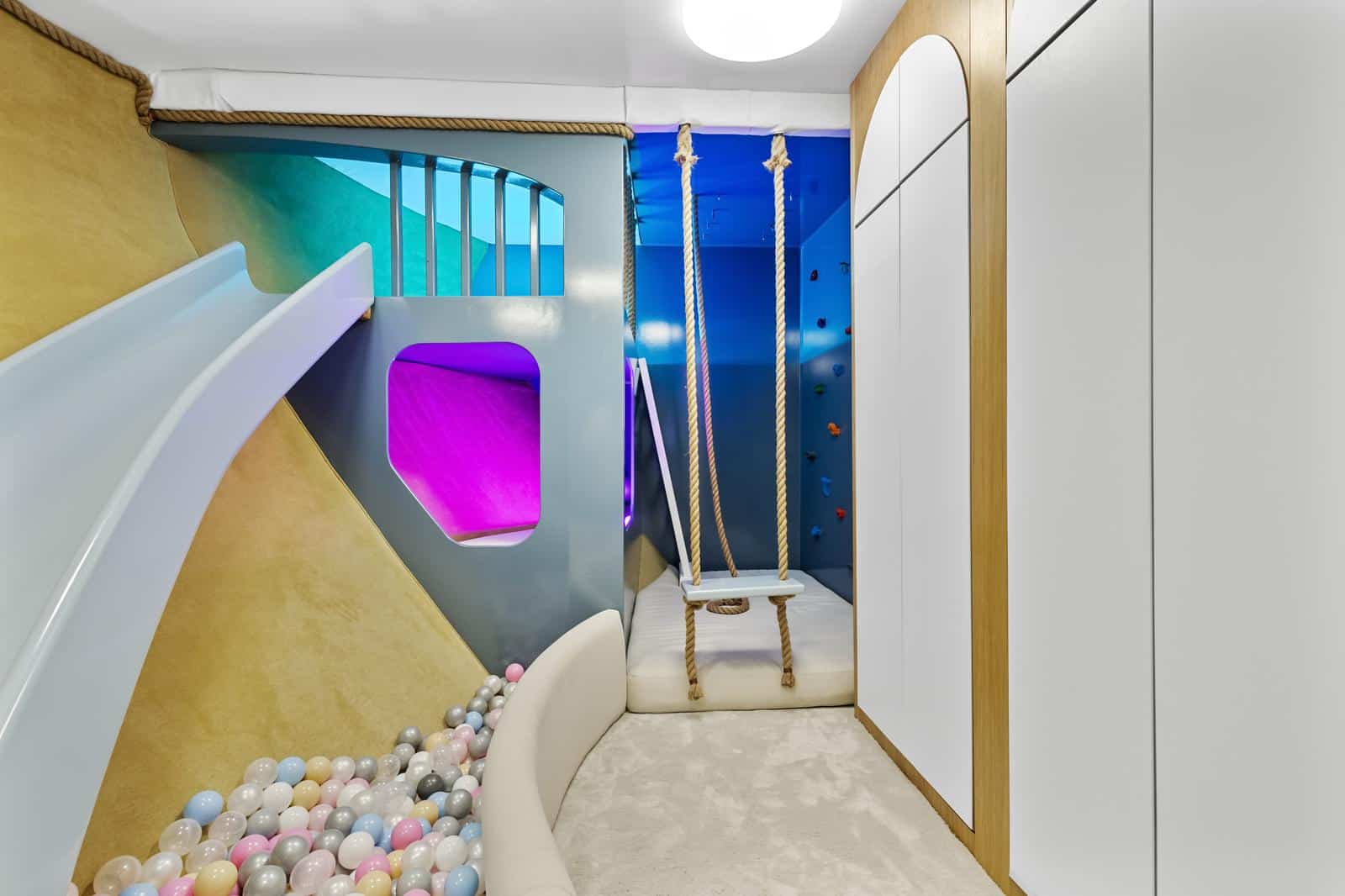
The hardest charter brief is rarely a purely luxury one. It is the mixed group: children, perhaps grandparents, one or two keen swimmers, at least one guest who dislikes rough motion, and a principal booker who wants the week to feel special without becoming operationally exhausting. In Croatia, the catamaran is often the strongest answer to that problem because it offers enough stability and enough usable space that compromise feels manageable.
A motor yacht can also work brilliantly for such groups if the budget allows, particularly when the crew is strong and the vessel has clearly separated guest areas. The advantage there is controlled movement. Longer passages can be shortened, lunch can be shifted quickly, and tenders help move less mobile guests ashore without fuss. A gulet suits a mixed group when the shared social life is the centre of the week. A monohull sailing yacht is usually best reserved for groups with a more unified appetite for sailing itself.
Docking and anchoring style
Different boats create different shore relationships. A motor yacht is often better suited to strategic movement between marinas, restaurant quays and chosen anchorages. It can make reservations and timing a larger part of the holiday. A catamaran, because of beam and berth cost, subtly encourages a charter that prizes anchoring and selective docking. A gulet wants broad stops, room to breathe and destinations where deck life can unfold without constant logistical interruption. A monohull sailing yacht can fit into more places, but the day’s rhythm remains more weather-bound.
This matters enormously around southern Croatia. Busy summer berths in Korčula, Lopud or parts of Pelješac can affect both budget and mood. Guests choosing a vessel should therefore ask a non-glamorous but essential question: do we want to sleep in marinas and harbours, or are we happiest at anchor? The answer filters directly into the right vessel type.

| Vessel type | Main strength | Main weakness | Best suited to |
|---|---|---|---|
| Motor yacht | Speed, service, flexible routing | Higher total cost and stronger fuel economics | Hosted luxury charters and ambitious routes |
| Catamaran | Space, stability, family comfort | Berth width and marina cost | Families, mixed groups, relaxed living |
| Gulet | Deck life, social warmth, slower charm | Not built for fast mileage | Celebratory groups and slower weeks |
| Sailing yacht | Authentic sailing and lower entry cost | Tighter space and more motion | Guests who genuinely want to sail |
Budget implications beyond the headline rate
Headline rates tell only part of the story. Motor yachts bring APA management, fuel sensitivity and customary crew gratuity much more sharply into view. Catamarans can surprise guests with berth costs in peak-season marinas. Gulets can appear good value or expensive depending on how you price the deck space and service style they provide. Sailing yachts remain the most affordable way in, but only if the group’s licence status, competence and tolerance genuinely support bareboat or lighter-service operation.
For many Croatian charters, the honest financial question is not “Which boat can we afford?” but “Which boat still makes sense after VAT, fuel, mooring, food, drinks and damage-cover structure?” That calculation often reshuffles priorities. A group that thought it wanted a lower-end motor yacht may discover that a stronger catamaran delivers more daily pleasure. A group fixated on a gulet image may decide the route really demands greater pace. Budget is not separate from vessel choice. It is one of its deepest definitions.
How routes change with each vessel
Take the same southern Croatia week and place it on four different boats. On a motor yacht, Cavtat to Mljet to Korčula to Pelješac can feel elegant and relatively unforced. On a catamaran, the same week becomes a slower alternation of passage, anchorage and family time. On a gulet, Korčula may remain, but the entire week tilts toward longer lunches and fewer daily changes. On a sailing yacht, the order may shift altogether depending on wind and crew appetite. This is why seasoned brokers resist fixing the route before the vessel is chosen.
Clients interested in sea-to-shore balance often pair these decisions with the wider region. A boat is not a sealed experience. It is part of a larger southern Croatia plan that may include Cavtat nights, Dubrovnik culture, Mljet park time, Korčula dinners or Pelješac wine stops. The right vessel is the one that makes that wider plan feel coherent instead of forced.
So which one should you choose?
Choose a motor yacht if your group values service, wants to cover distance, dislikes operational friction and can accept the higher total cost. Choose a catamaran if your priority is stable family living, easy deck use and a forgiving social layout. Choose a gulet if you want the charter itself to feel culturally Adriatic, with meals and conversation at the centre. Choose a sailing yacht if sailing is not decoration but desire.
And if you are still undecided, do not ask which category is objectively best. Ask which one still sounds right after you imagine a windy lunch, a crowded berth, a child needing shade, an older guest needing easy movement, and seven days in which comfort is built from routine rather than glamour. That is usually where the correct vessel reveals itself.
Choosing the right vessel for your Croatia yacht charter?
Tell us your group size, budget and preferred pace, and Cavtat Guide will help you compare motor yachts, catamarans, gulets and sailing yachts to find the strongest match for your week on the Adriatic.