

Updated for 2026
An editorial analysis of Cavtat, Župa Dubrovačka and the wider Riviera as buyers seek space, privacy and practicality beyond Dubrovnik.
Main takeaway: many buyers now look beyond Dubrovnik itself not because the city has lost prestige, but because the wider Riviera often offers more space, better privacy, easier access and stronger second-home practicality.
Most persuasive alternatives: Cavtat, parts of Župa Dubrovačka, and selected waterfront belts between the airport and the city.
What has changed: buyers increasingly value repeatable daily ease over symbolic proximity alone.
Dubrovnik is one of those cities that can distort a property search before it properly begins. It is so visually complete, and so globally recognisable, that outsiders often assume the rational thing is to buy as close to the walls as possible. But ownership is not the same as a weekend stay. Once buyers begin to compare noise, access, parking, summer pressure, privacy and the practicalities of year-round use, the wider Dubrovnik Riviera starts to look not like a compromise but like the market’s more intelligent geography.
That is why places beyond the centre now matter so much in serious editorial conversations about value. Cavtat, the approaches between the airport and Dubrovnik, parts of Župa Dubrovačka and carefully chosen waterfront positions offer a different equation: less theatrical perhaps, but often more liveable. The shift is not anti-Dubrovnik. It is a recognition that the Riviera offers multiple ownership styles, and that many buyers now want the cultural prestige of Dubrovnik without having every practical question dictated by the city itself.
For a certain buyer, the Old Town remains irresistible. There is still no substitute in Croatia for the symbolic force of Dubrovnik itself. Yet the second-home market is now being shaped by a broader kind of realism. Buyers are asking how the house works after the first impression fades. They want to know whether the route from the airport is elegant rather than exhausting, whether guests can arrive without choreography, whether the house can host a family August and a quiet October equally well, and whether the property feels restorative rather than merely expensive.
This is where the Dubrovnik Riviera has become more persuasive. It allows people to buy into the Dubrovnik world without being trapped by the most compressed version of it. In practical terms, that can mean more land, better parking, stronger privacy, more convincing outdoor living and a calmer social rhythm. In strategic terms, it often means the difference between buying for the Dubrovnik idea and buying for a life that can actually be repeated.
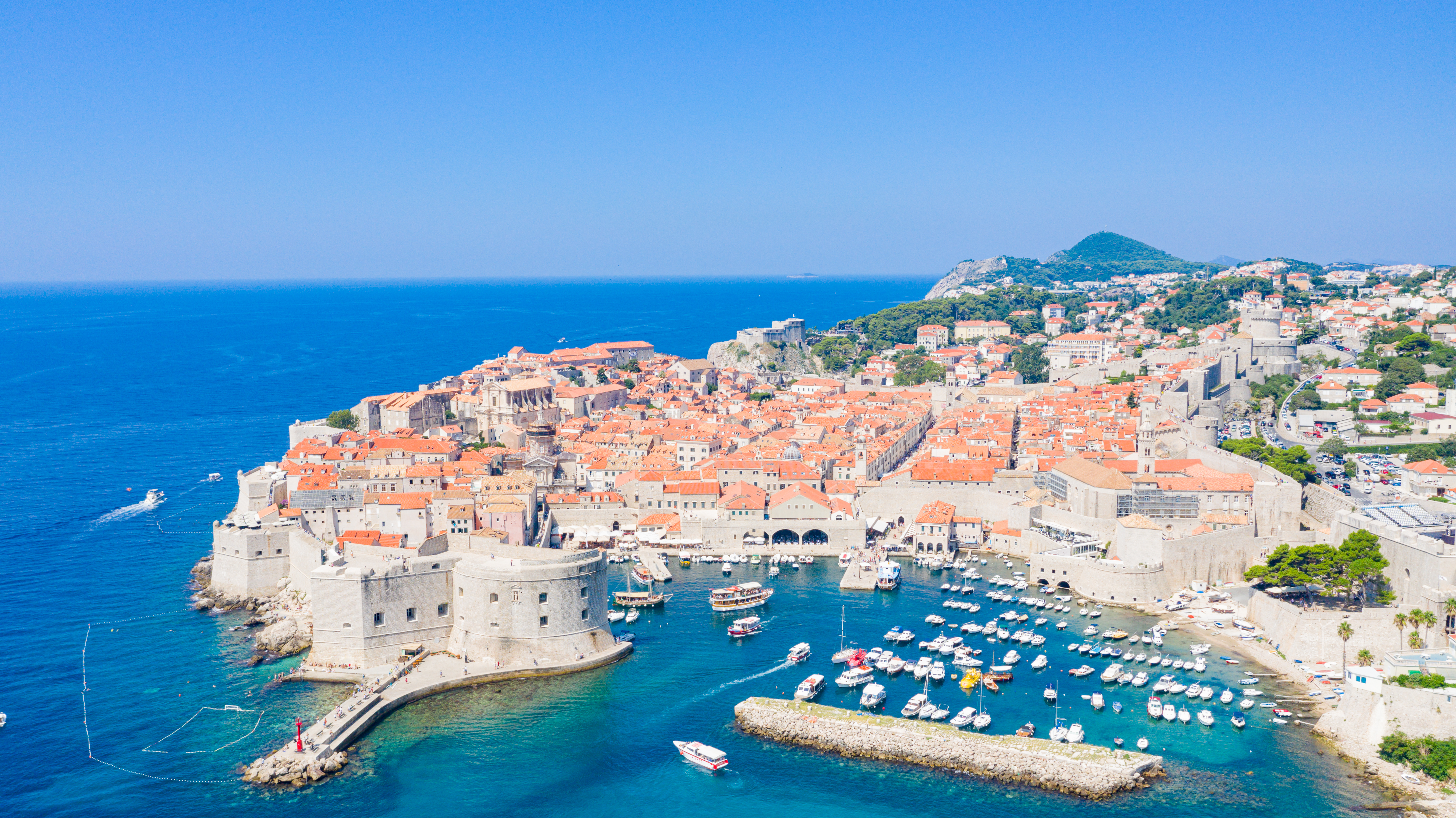
The limits of buying for a postcard
Dubrovnik remains one of the Adriatic’s most recognisable addresses, and for a small portion of buyers that fact alone justifies the premium. Yet property decisions become more nuanced the moment people think in terms of real use. Do they want a home to inhabit for several months? A place for family gatherings? A villa that can absorb airport arrivals without logistical friction? A property with enough outdoor space to feel restorative rather than performative? These questions push many searches outward.
This is one of the most important distinctions in the current Dubrovnik Riviera property market. The city itself can still deliver symbolic prestige, but the Riviera often delivers a better ownership experience. Buyers who compare the old-city orbit with seafront or sea-view houses beyond the centre quickly realise that the premium attached to the Dubrovnik name does not always buy more daily pleasure. Sometimes it buys density, parking stress, tourist exposure and a constant proximity to other people’s experience of the city rather than your own.
That does not mean the outer zones are automatically better. It means buyers are finally comparing the correct things. The right question is not “How close is it to Dubrovnik?” but “How well does it work as a place to live, host, arrive and leave?” Once that question becomes central, the Riviera changes shape. It stops looking like a secondary market and starts looking like a set of ownership environments, some of which may suit serious second-home use better than the city core ever could.
For foreign buyers especially, this is often the point at which travel desire matures into ownership logic. One may adore Dubrovnik and still prefer to live beyond its intensity. That is not dilution. It is discernment.

Why Cavtat keeps entering the conversation
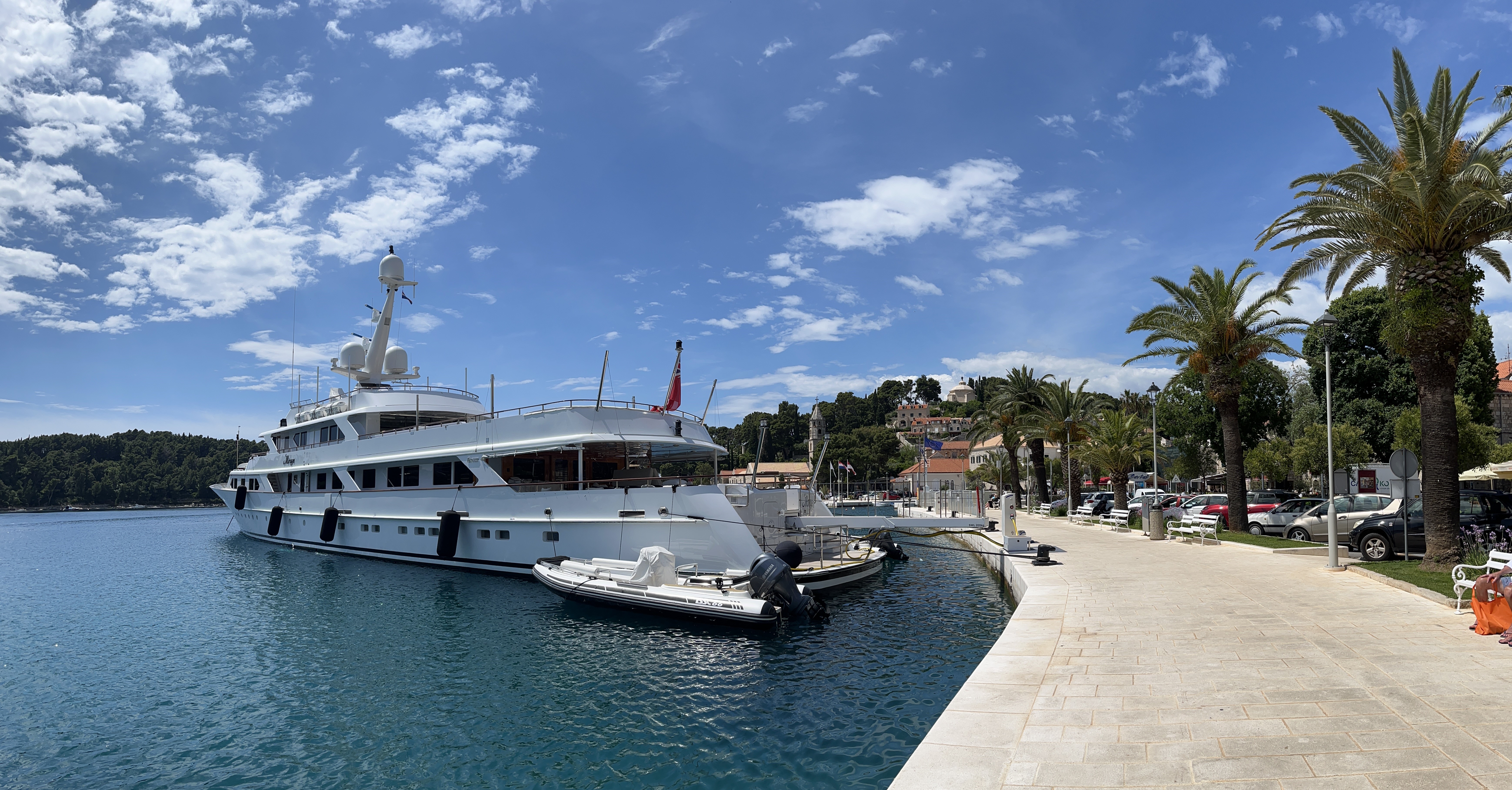
Cavtat has a rare talent for appearing gentle while functioning efficiently. It offers promenade culture, marina presence, hospitality infrastructure and airport convenience without the relentless compression of Dubrovnik’s centre. That matters enormously to second-home buyers. The town is not only pleasant; it is usable. One can imagine morning swims, evening walks, guest arrivals, restaurant access and off-season returns without the same degree of logistical negotiation.
This is one reason Cavtat real estate keeps entering conversations that begin with Dubrovnik and end somewhere else. Buyers may arrive thinking they want the highest possible proximity to the city, then discover that what they truly want is ease. Cavtat offers a feeling of arrival without demanding constant performance from the owner. You can walk to the water, move easily toward yachts and dayboats, dine well, host guests, and still reach Dubrovnik when you want scale, events or a more theatrical backdrop.
That balance matters because a second home should reduce decision fatigue rather than multiply it. In many parts of the Mediterranean, the premium address is also the most cumbersome one. Cavtat frequently avoids that trap. It retains atmosphere, social quality and southern-Adriatic visual appeal, but behaves better in daily life. For international owners, especially those who may fly in for shorter stays or arrive with different generations of family, that can make the difference between a house that feels luxurious and a house that merely looks luxurious.
The broader Cavtat zone also allows for scale. Buyers who want compound-style privacy, gardens, terraces, guest independence and enough distance from neighbouring properties often find the town and its surrounding areas more persuasive than the denser prestige belts nearer Dubrovnik. The appeal is not only visual. It is operational.
Why Cavtat matters: it often gives buyers Dubrovnik-region prestige with a better balance of airport access, sea culture, privacy, guest usability and calmer daily rhythm.
Župa Dubrovačka and the logic of adjacency
Beyond Cavtat, buyers increasingly study the ribbon of settlements that sit between the city and the airport, including the wider Župa Dubrovačka area. These zones do not all offer the same thing, but they share one strategic advantage: adjacency without overload. In market terms, that can mean more space, better car access, stronger privacy and, in some cases, more favourable value metrics than equivalent prestige positions within Dubrovnik proper.
Župa Dubrovačka is important because it reflects the new realism of the market. Buyers are no longer shopping only for dramatic emotional shorthand. They are shopping for repeated use. That changes the importance of roads, gradients, parking, provisioning and micro-location. A villa in the right part of Župa can outperform a more glamorous address if it reduces friction every time the owner lands, hosts guests or leaves at the end of a stay.
This is also where the phrase property beyond Dubrovnik becomes useful rather than vague. It describes a buyer shift away from symbolic proximity and toward practical sophistication. The goal is no longer simply to own near the city. It is to own in the geography that makes the city, the sea and the airport work together with the least effort.
Waterfront villas, privacy and the premium for ease
Luxury coastal buyers do not pay only for a sea view. They pay for the quality of the relationship with the sea. Is the view permanent or vulnerable to future build-out? Is there meaningful outdoor space? Does the house feel exposed to neighbouring terraces? Can one reach the water easily? Is there a mooring, a nearby marina or at least a local rhythm that acknowledges boating? These are not decorative details. On the Dubrovnik Riviera, they often define the difference between nominal luxury and actual luxury.
Waterfront properties beyond the city tend to offer a more convincing answer to these questions because they are less constrained by Dubrovnik’s density. That does not guarantee quality, of course. A poor seafront position can still be awkward, overexposed or too difficult to access. But the Riviera gives buyers more room to align sea proximity with privacy, which is one of the most coveted combinations in the southern Adriatic market.
This is also why privacy often becomes the decisive issue. The Dubrovnik brand attracts attention. For some owners that is positive. For others it becomes exhausting very quickly. The wider Riviera offers pockets where owners can remain close to Dubrovnik while opting out of its intensity. That combination is increasingly attractive to buyers arriving from larger international markets who want social access without permanent exposure.
At the upper end, buyers are often less interested in owning the most famous backdrop and more interested in owning the cleanest daily experience. A villa with excellent orientation, calm access, good outdoor circulation and credible sea intimacy will usually outperform a more obviously dramatic but operationally compromised address.

Price psychology beyond the old city
One reason buyers are looking beyond Dubrovnik is that value perception changes dramatically once they compare like with like. In the old city and its immediate prestige belt, scarcity can turn even compromised properties into expensive propositions. By contrast, the Riviera allows buyers to allocate budget toward space, terraces, gardens, parking, pools, staff accommodation or guest independence. In lifestyle terms, that can produce a much stronger ownership experience.
This does not mean every outlying property is automatically wise. Distance without convenience can feel isolating. A sea view without access can become abstract. An impressive house with poor winter practicality may be less useful than a simpler property in a stronger position. The point is comparative intelligence. Buyers are no longer merely asking, “How close is it to Dubrovnik?” They are asking, “How well does it work as a place to live, host, arrive and leave?”
That shift is changing the Riviera market. It is rewarding houses that are not only beautiful, but operationally elegant. Good parking matters. Ease of arrival matters. The ability to host without turning the owner into a logistics manager matters. In this sense, the market is becoming more sophisticated rather than less emotional. Buyers still want beauty. They simply want it attached to a structure of life they can actually sustain.
A Riviera market shaped by lifestyle realism
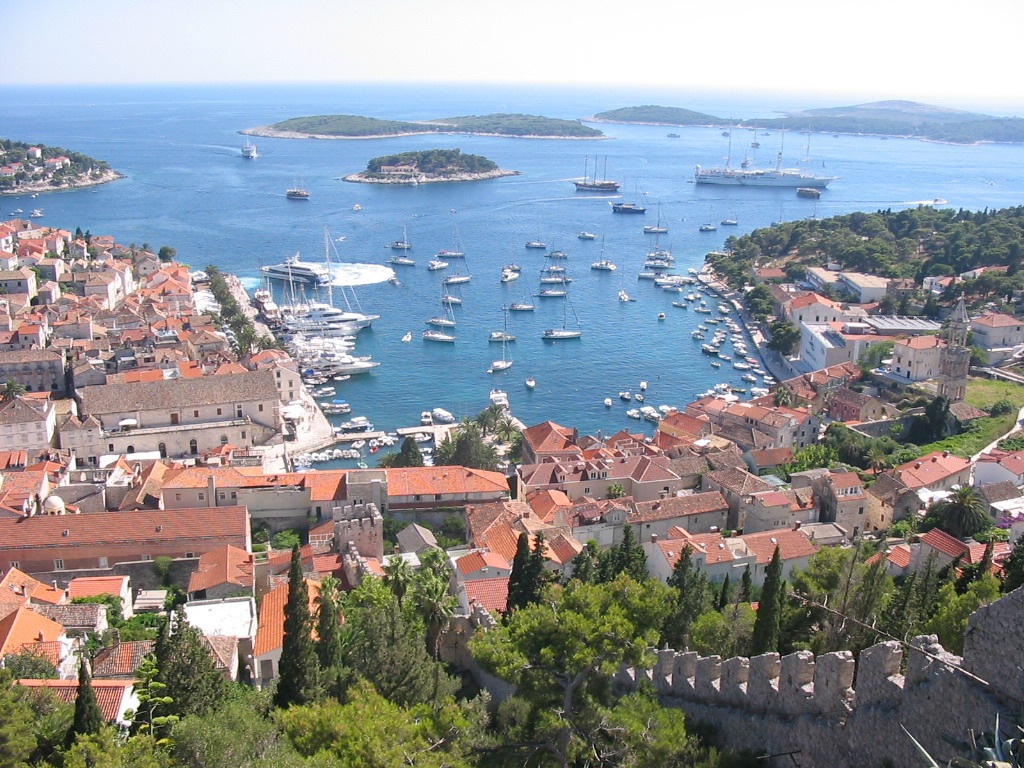
The Dubrovnik Riviera is benefiting from a broader shift in how affluent buyers think about second homes. They want culture and beauty, but they also want frictionless use. Airport proximity matters more. Remote work has widened the season. Owners think about shoulder months, not only peak summer. They ask whether children, parents, crew, house managers and visiting friends can all function easily. That is why the market around Cavtat and neighboring coastal stretches continues to gain editorial and commercial importance.
The most compelling Riviera properties are not trying to imitate Dubrovnik. They are capitalizing on different strengths: more breathing room, more practical access, better privacy and a calmer relationship with the landscape. For many buyers, that is not a second-best version of the region. It is the region becoming finally habitable.
This is one of the reasons buyers now look beyond the city walls without feeling that they are giving something up. They are not moving away from prestige. They are refining what prestige means. In the current market, it often means not the most famous address, but the address that performs most gracefully under repeated use.

How the Riviera changes over the course of a day
One of the Riviera’s overlooked strengths is how differently it performs from morning to evening. Buyers who stay overnight and move through a full day begin to notice subtleties invisible on a single viewing. Airport convenience may feel abstract until a late arrival becomes effortless. A west-facing terrace may look glamorous in photographs but reveal uncomfortable afternoon exposure. A waterfront position may seem serene at noon and then prove noisy when nearby venues come alive after sunset. These observations do not disqualify a property; they simply convert tourism impressions into ownership knowledge.
Cavtat, the Obod approach and the wider belt toward Dubrovnik often benefit from this day-long reading. Morning movement can be easy, provisioning practical and evening atmosphere civilized rather than overwhelming. For second-home buyers, that balance is gold. Many are not looking for maximum excitement but for a pattern of days that can be repeated without strain. The Riviera’s advantage is precisely that it allows this pattern to emerge naturally.
This is also why viewings should never be treated as one-off spectacles. The best buyers test the region like future residents, not like admirers. They drive the access road twice. They time the trip to the airport. They observe the exposure at lunch and again before sunset. They ask where the neighbors are, where deliveries happen, and how the house behaves when occupied by children, grandparents or staff. On the Riviera, these practical observations often determine long-term satisfaction more than the first emotional response ever will.
At a glance
| Area logic | Dubrovnik core | Riviera alternatives |
|---|---|---|
| Atmosphere | Immediate heritage intensity | Calmer coastal living with easier everyday rhythm |
| Access | Often constrained | Usually stronger for cars, airport transfers and provisioning |
| Privacy | Variable and often limited | Better prospects for gardens, pools and discreet arrivals |
| Lifestyle fit | Excellent for short cultural stays | Often better for longer second-home use |
| Value deployment | Premium for prestige address | Budget can go further into space and functionality |


Owning near Dubrovnik is often more rewarding than owning inside the Dubrovnik idea.
Conclusion
The real story of the Dubrovnik Riviera is not that buyers are abandoning Dubrovnik, but that they are learning to distinguish between symbolic prestige and daily pleasure. Cavtat, Župa Dubrovačka and the wider approach corridor offer a more usable version of southern Adriatic ownership. For those buying not just for status but for return visits, family rhythms and the practical dignity of coastal life, looking beyond Dubrovnik increasingly looks like looking more carefully.
That is why the current Dubrovnik Riviera property market matters. It is not a footnote to Dubrovnik. It is the geography through which Dubrovnik is becoming livable again for buyers who think in years rather than weekends. Some will still choose the city core, and in the right case that choice can be powerful. But many more will recognize that the smarter purchase sits in the belt around it close enough to inherit the city’s prestige, far enough to escape its constant demands.
For international owners, that distinction is becoming central. The Riviera is where a travel fantasy becomes a functioning home. And in the upper end of the market, that may be the most valuable shift of all.
Exploring the Dubrovnik Riviera property market?
Tell Cavtat Guide your budget, location priorities and ownership goals, and we will help you think through the right stretch of Riviera, the right property type and the right balance between prestige and practicality.