

Updated for 2026
Buying property in Croatia as a foreigner is no longer an unusual ambition. It has become a structured decision made by second-home buyers, internationally mobile families, and lifestyle-led investors who want a more usable Mediterranean base. The smartest acquisitions, however, do not begin with the terrace or the sea view. They begin with legal eligibility, title clarity, carrying costs, and a realistic understanding of how the property will actually be used over time.
Main takeaway: buying property in Croatia as a foreigner is entirely possible, but the strongest purchases begin with legal eligibility, title clarity, carrying costs, and real lifestyle logic, not with the view alone.
Most important rule: verify the legal path first, then the paper trail, then the emotional appeal.
Best-fit buyers: those seeking a repeatable Adriatic base, a second-home strategy, or a cleanly structured coastal asset rather than an impulsive Mediterranean purchase.
International interest in Croatian property has matured. The older narrative of a romantic but slightly improvised Adriatic purchase has given way to something more exacting: buyers now compare legal access, tax exposure, rental logic, seasonal use patterns, marina proximity, and the long-term value of owning in a country that combines European Union membership with one of the Mediterranean’s strongest tourism brands. The question is no longer whether foreigners can buy property in Croatia. The more serious question is what kind of property actually makes sense once legal eligibility, carrying costs, and lived lifestyle use are placed in the same frame.
For readers looking at the Dubrovnik Riviera, Cavtat, the islands, or wider coastal Croatia, the appeal is easy to understand. Ownership here can be many things at once: a private summer base, a family long-term asset, a hospitality play, a hedge against the rising cost of repeated luxury travel, or a future retirement foothold. But the market rewards discipline. The strongest buyers treat Croatia not as a postcard but as a legal and operational environment. They understand what they can buy, how title is verified, what taxes and municipal burdens may arise, and whether the purchase is being made for use, yield, or prestige.
That shift matters because coastal Croatia is no longer being approached only by dreamers. It is also being approached by planners: families who want a second home that can absorb school holidays, buyers who may combine villa life with charter weeks, and internationally mobile owners who want something easier to use than a hyper-complex prime western Mediterranean market. Croatia still offers emotional appeal, but the most intelligent purchases now come from buyers who know exactly what kind of Adriatic life they are trying to construct.
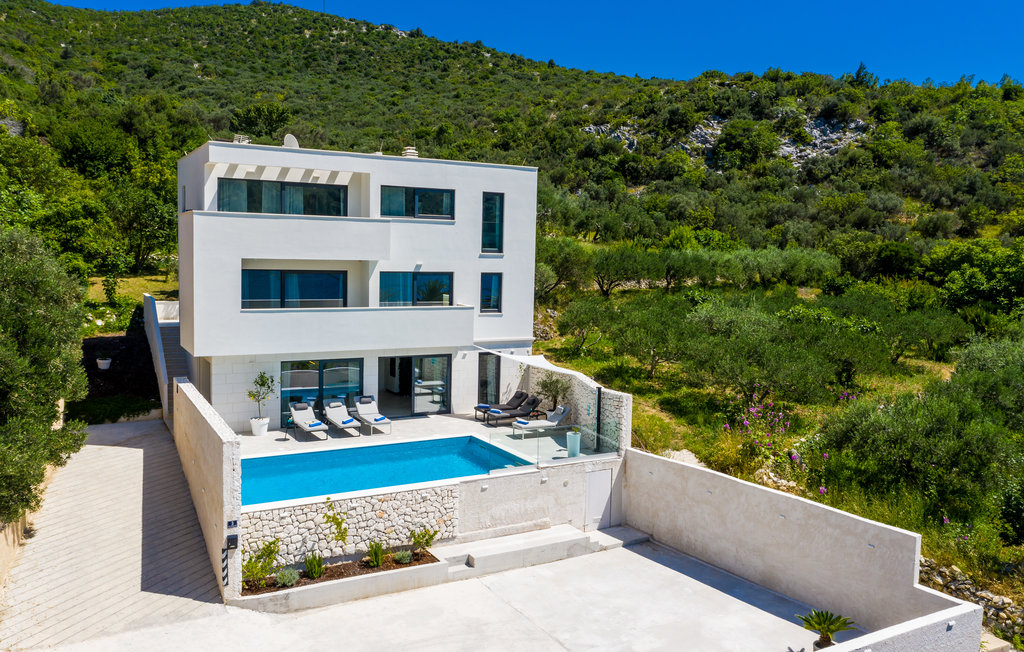
Start with legal position, not with a sea view
The legal framework is relatively clear, but it matters enormously which passport or ownership structure the buyer brings to the transaction. In general terms, citizens and legal persons from the EU, EEA states, and Switzerland are treated far more like domestic buyers when acquiring ordinary real estate, while many third-country nationals face an additional administrative layer tied to reciprocity and ministerial approval. That does not make acquisition impossible. It simply means the path is not identical for every buyer and should never be assumed to be frictionless merely because a listing is available online.
Serious buyers therefore begin with an eligibility check before they start negotiating aesthetics. Is the target property residential, development land, protected agricultural land, or something mixed? Is the buyer an individual, a married couple, a family office vehicle, or a company? Is there reciprocity with the buyer’s home country? Will the acquisition route be cleaner in a personal name or through an entity? These questions are not technical footnotes. They shape timing, legal cost, and risk tolerance. A beautiful house with a complicated legal posture is not a dream purchase. It is a project.
This is also where many first-time international buyers misread the Croatian market. They assume that because the country is in the EU and the coast is full of professionally marketed listings, the legal path must be uniform. It is not. Croatia is accessible, but it is not legally casual. The best purchase strategy usually begins with a lawyer and only then moves decisively toward a view, a terrace, or a pool line.
Useful starting principle: before becoming attached to a property, clarify who is buying, under what structure, and whether the legal route is clean enough to justify deeper due diligence.
Title, land registry, and cadastral reality must align
One of the reasons Croatia remains attractive is that buyers can still find highly characterful coastal assets: stone houses, villas with water views, plots near marinas, and properties with annexes, terraces, and older outbuildings. The same variety, however, makes due diligence indispensable. A buyer must confirm that the property’s factual footprint matches the official land registry and cadastral record, that ownership is properly registered, that there are no unresolved encumbrances or inheritance complications, and that the built state of the asset corresponds to what may legally be sold, financed, and used.
This is especially important in older coastal settlements where buildings may have evolved over decades. A terrace may have been enclosed, a studio added, a storage room converted, a garden boundary assumed rather than fully regularized. None of those issues automatically destroys a deal, but they all change valuation, bankability, and the buyer’s future freedom. In a market where emotion can accelerate decision-making, the most valuable professional in the room is often not the agent but the lawyer who insists on making the paperwork catch up with the sea view.
For foreign buyers, this part of the process is often the decisive test of seriousness. Croatia can be a very attractive country in which to own coastal property, but it is not a country in which one should treat paperwork as a formality to be cleaned up later. The more distinctive the asset old stone house, terraced waterfront plot, family-compound layout, conversion opportunity the more important it becomes to confirm that physical reality and legal reality describe the same property.

The Adriatic premium is about use, not only scarcity
Coastal Croatia commands a premium for obvious reasons: water, old stone urbanism, summer climate, port culture, and international visibility. Yet the true premium is functional as much as scenic. A property in or near Cavtat, Dubrovnik, Korčula, or Hvar may reduce hotel dependence, anchor a recurring family calendar, or serve as the land component of a broader Adriatic lifestyle in which yacht weeks, villa weeks, and shoulder-season escapes are mixed with very little friction. The closer a property comes to solving several lifestyle questions at once, the more resilient its desirability tends to be.
This is why buyers should think beyond square metres. How quickly can you reach the airport? Is there year-round life in the settlement, or does the place effectively switch off outside the season? Are there strong restaurants, reliable property management, marina access, and a local service culture that can support absentee ownership? A second home on the Adriatic is not merely bought; it is administered. Convenience is one of the least glamorous but most decisive forms of luxury in the Croatian market.
Villa ownership and villa rental are related, but not identical strategies
Many foreign buyers initially justify a Croatian purchase through rental logic. That can be sensible, particularly in recognized leisure zones. But a successful villa for occasional letting is not necessarily the same as the ideal personal second home. The guest may want parking, broad sleeping capacity, an easy pool layout, and fast turnover logic. The owner may care more about privacy, materials, shoulder-season usability, and whether the house still feels right when the coast empties out. The best acquisitions understand this split rather than pretending it does not exist.
This becomes even more relevant if the buyer is considering non-resident rental use. Croatia has a clear tax framework for non-resident landlords, which means the purchase should be structured from the beginning with realistic expectations around registration, reporting, and local administration. A house that will occasionally earn income is not just a lifestyle asset. It also becomes an operating asset, and that should influence how the buyer thinks about management, furnishing durability, housekeeping systems, and legal support.
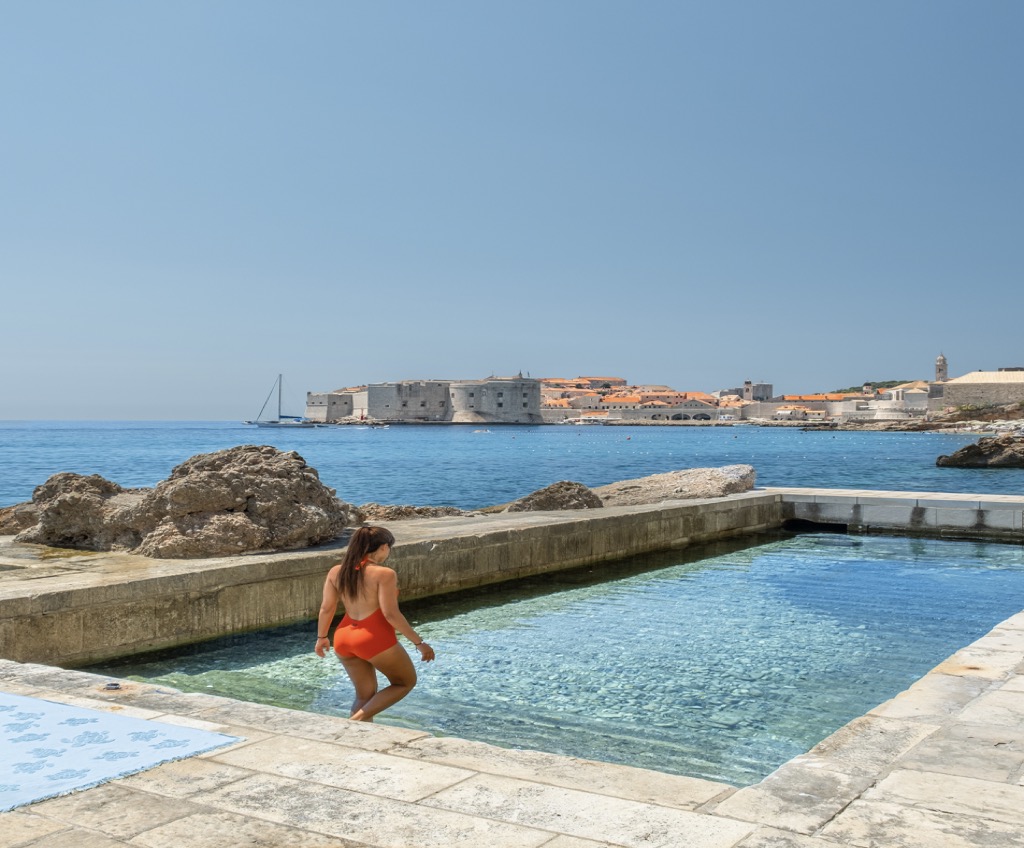
Taxes, fees, and carrying costs are part of the purchase decision
The purchase price is only the first number. Buyers also need to account for legal fees, notarial and registration costs, possible agency commissions, annual ownership burdens, utility charges, insurance, maintenance, and, where relevant, the cost of keeping a coastal property in guest-ready condition. On the transaction side, Croatia’s real estate transfer tax generally applies at 3% where the acquisition is exempt from VAT. Separately, Croatia now has a real estate tax set locally within a statutory range, which means annual property costs can differ depending on municipality and the nature of the asset.
What matters is not whether Croatia is cheap or expensive in abstract terms. It is whether the ownership cost aligns with the way the buyer will actually use the property. A family intending to spend ten weeks a year in a villa, host relatives, and occasionally charter a yacht from nearby marinas may find the overall equation compelling. A buyer who visits for eight days and leaves the house largely dormant may discover that the emotional appeal of ownership exceeds the operational logic. That is not a legal problem. It is a strategy problem.
This is one of the reasons sophisticated buyers increasingly budget the Croatian purchase as a whole-life equation rather than a transaction. They include legal onboarding, annual maintenance, caretaker relationships, humidity management, pool and garden operations, furnishing wear, and the real cost of keeping the home ready for spontaneous use. The cleaner that model becomes, the clearer the purchase decision usually gets.
Seafront Apart-Home — Near Dubrovnik
A useful reference point for buyers comparing waterfront appeal with the practical realities of maintenance, access, and guest-ready operation.
Stone Apartment House — Dubrovnik Investment Asset
Helpful for understanding how income logic, operational complexity, and lifestyle ownership do not always point to the same kind of asset.
Building Land with Sea View — Obod / Dubrovnik Approach
Shows how some buyers prefer to enter the market through land and long-term authorship rather than through a finished villa with inherited assumptions.
Why Cavtat and the Dubrovnik Riviera attract a distinct buyer
The southern Adriatic market is not interchangeable with the rest of Croatia. Cavtat and the Dubrovnik Riviera attract buyers who want proximity to a major cultural destination, an internationally connected airport, polished hospitality, and a more composed rhythm than Dubrovnik’s busiest urban frame can always provide in high summer. For many international owners, that combination is the sweet spot: they want access to the prestige and convenience of Dubrovnik, but they do not necessarily want to live inside its most intensely visited setting.
Cavtat in particular works well for second-home logic because it offers a feeling of arrival without demanding constant performance from the owner. You can walk to the water, move easily toward yachts and dayboats, dine well, host guests, and still reach Dubrovnik when you want a larger stage. That balance matters. A second home should reduce decision fatigue. The Dubrovnik Riviera often does that better than places that are more spectacular on first glance but less practical across repeated use.
This is also why the southern market appeals to buyers who think in combined land-and-sea terms. A property here can function not just as a villa, but as a coastal operating base: for family summers, for dayboat departures, for yacht charter weeks, for guest hosting, and for quieter shoulder-season use. That broader utility is one of the reasons the Dubrovnik-Cavtat axis continues to attract international attention even as buyers compare it with Split, Hvar, or Istria.
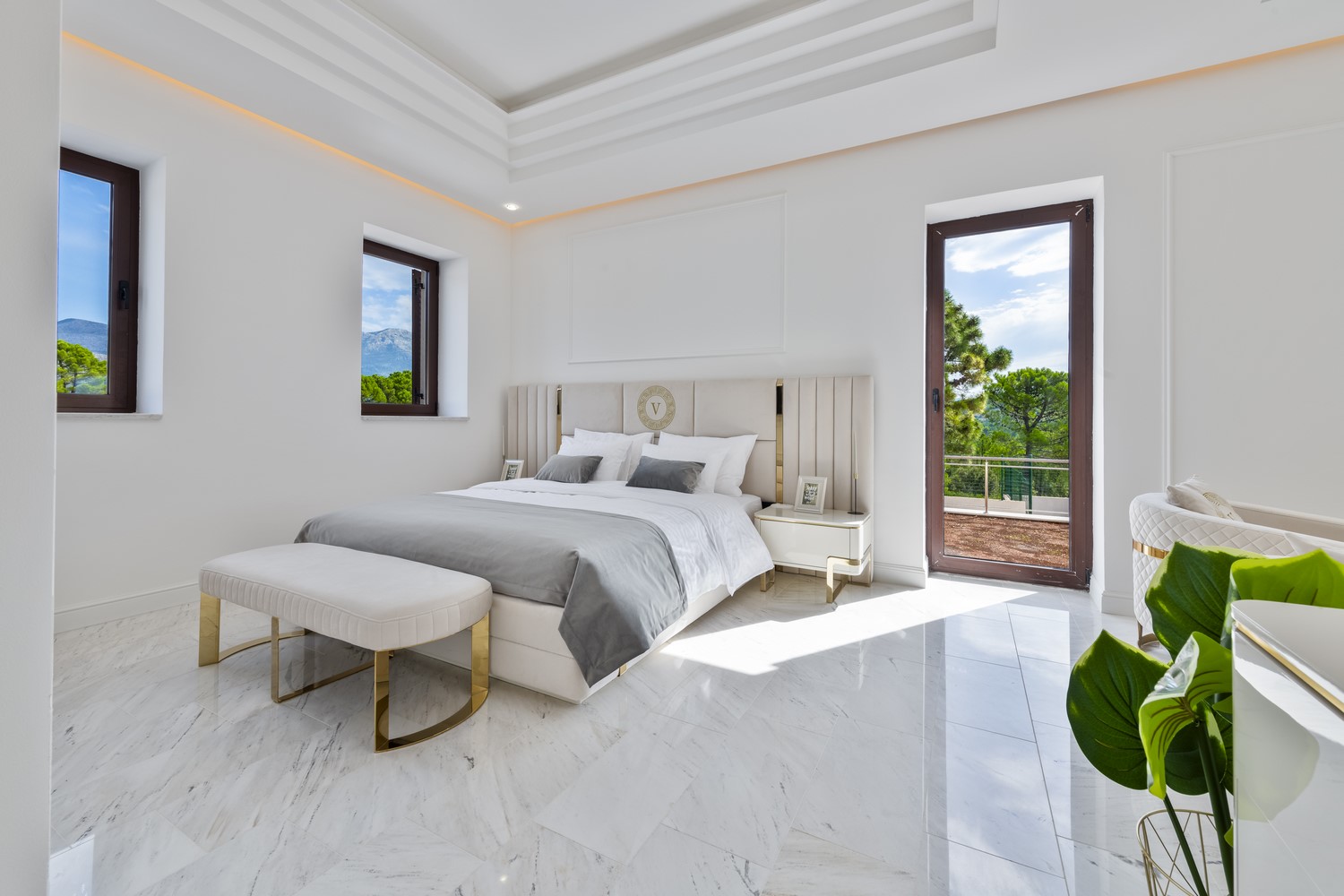
Buying land, old stone houses, or turnkey villas requires different minds
International buyers sometimes speak about Croatian property as if all coastal assets belonged in one category. They do not. Buying serviced land for future construction is a planning and permitting game. Buying an old stone house is partly an architectural and restoration decision. Buying a finished villa is a quality-control and cash-flow decision. Each product has a different risk profile. Land can deliver the cleanest long-term expression of a vision, but usually asks for patience and expert coordination. A restored house offers authenticity, but demands close scrutiny of what was actually done. A turnkey villa offers speed, but the buyer pays for convenience and may inherit someone else’s design assumptions.
For many time-poor international clients, the right answer is not the most romantic one. It is the asset that matches the owner’s capacity to manage complexity from abroad. This is particularly true in the luxury bracket, where buyers are not only purchasing walls and terraces but also the absence of friction. A house that can be run professionally, secured properly, and handed back to the owner in near-perfect condition before each arrival will often prove more valuable in lived terms than a more dramatic asset that constantly requires problem-solving.
| Asset type | Why buyers choose it | Main opportunity | Main caution |
|---|---|---|---|
| Turnkey villa | Immediate enjoyment | Fast entry into ownership | Need to verify build quality and management logic |
| Old stone house | Character and scarcity | Strong identity and long-term charm | Legalization, restoration, and operating complexity |
| Serviced land | Control over design | Create a bespoke second home | Planning timelines and build execution |
| Apartment in prime coastal town | Lower maintenance threshold | Lock-and-leave ownership | Less privacy and fewer hospitality options |
The best Croatian purchase is rarely the prettiest photograph. It is the property whose legal posture, carrying cost, and lifestyle use all make sense together.
How sophisticated buyers assess value
Seasoned international buyers rarely ask only whether Croatian property will rise in value. They ask what kind of value the asset produces while they own it. Does it save repeated premium hotel expenditure? Does it anchor family use in a market they already love? Does it stand near a marina, allowing land-and-sea use from the same base? Can it be entrusted to professional management without constant supervision? In the Adriatic, value is experiential as well as financial. That does not reduce the importance of numbers. It makes the analysis more complete.
From that perspective, Croatia continues to attract attention because it sits between several worlds. It is more accessible and often more operationally legible than some prestige Mediterranean markets, yet it still carries enough scarcity and atmosphere to feel emotionally persuasive. That is particularly true in the south, where the combination of airport access, yacht culture, old towns, and second-home quality remains unusually concentrated.
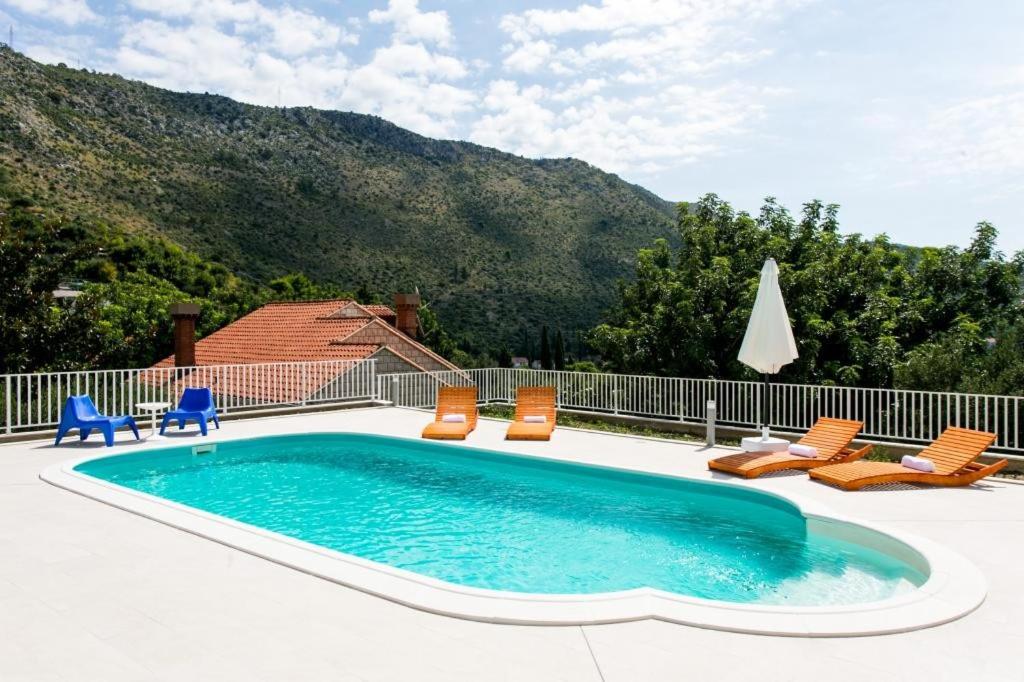
What makes a second home genuinely usable
A useful second home is one that can absorb different modes of life without feeling over-specialized. It should work for a quiet shoulder-season stay, for a family August gathering, and for the practical realities of arrival after a late flight. It should also make sense when the owner is absent. Security, caretaker relationships, access to trades, humidity management, furnishing durability, and housekeeping systems are not glamorous topics, but they strongly influence whether ownership continues to feel luxurious after the first season.
This is where premium buyers often become more selective. They stop asking only whether a house is beautiful and start asking whether it is resilient. Croatia has many emotionally appealing properties; fewer are truly friction-light for an international owner. The best opportunities are often those where architecture, location, and operations are in equilibrium, allowing the home to function not just as an image of Mediterranean life, but as a dependable base within it.
Buyers trying to position their purchase within a fuller Adriatic pattern may also find value in reading the wider destination through Experiences, Tours, Transportation, and curated offers. Good ownership decisions rarely emerge from a listing alone. They come from understanding how the destination functions week by week, season by season, and guest by guest.
Frequently Asked Questions
Can foreigners legally buy property in Croatia?
Yes. Many foreign buyers can purchase Croatian property, but the legal route depends on nationality, reciprocity, and whether the buyer is purchasing personally or through an entity.
What should buyers verify before making an offer?
They should verify eligibility to acquire, title clarity, land registry and cadastral alignment, encumbrances, and the real carrying cost of ownership.
Is a sea view enough to justify a Croatian purchase?
No. The strongest acquisitions combine scenic appeal with operational ease, year-round usability, and a property type that fits the buyer’s actual lifestyle and management capacity.
What is the main tax most buyers should expect?
Where VAT does not apply, buyers generally need to account for 3% real estate transfer tax, in addition to legal fees, registration costs, and longer-term ownership expenses.
Why do Cavtat and the Dubrovnik Riviera appeal so strongly to foreign buyers?
Because they combine international access, maritime lifestyle, hospitality depth, and a more repeatable second-home rhythm than many highly performative Mediterranean markets.
Conclusion
Buying property in Croatia as a foreigner is neither mysterious nor effortless. It is a manageable process for prepared buyers and a potentially expensive learning curve for impulsive ones. The market’s appeal is real: lifestyle quality, coastal identity, strong travel demand, and a growing second-home logic that links houses, marinas, and premium hospitality. But the strongest buyers begin with legal status, title security, realistic carrying costs, and a precise sense of use.
Approached that way, Croatian ownership becomes easier to read. The purchase is not just a transaction; it is a choice about how to inhabit the Adriatic. For international buyers drawn to Cavtat, Dubrovnik, and the wider coast, that choice can be deeply rewarding provided the property works as well on paper as it does in the imagination.
Need help choosing the right property, offer, or coastal base?
Tell us your budget, travel pattern, and ownership priorities, and Cavtat Guide will help you think through the right property type, the right regional fit, and the wider Adriatic experiences and offers that make ownership genuinely usable.