

Updated for 2026
Rain in Cavtat only feels disappointing when the town has been imagined as a place with one use: sun, swimming, and a harbor table in full light. In reality, Cavtat is one of the more adaptable small Adriatic bases for bad weather because it combines culture, compact scale, shelter, and a wider region full of easy alternatives. The trick is not to fight the rain as though the holiday has been cancelled. The trick is to change tempo.
Main takeaway: Cavtat does not stop being rewarding in poor weather. It simply shifts from beach rhythm to interior rhythm.
Best strategy: use museums, churches, covered dining, short walks between showers, and nearby alternatives such as Dubrovnik or Konavle.
Most useful mindset: do not try to rescue the original plan. Build a new one around what the town does well under cloud and rain.
Rain in Cavtat tends to disappoint visitors only when they have imagined the town as a place with a single use: sun, swimming, and a harbour-side table. In reality, Cavtat is one of the better small Adriatic bases for a wet-weather day because it combines shelter, culture, short distances, and a wider region full of nearby alternatives. The trick is not to fight the rain as though your trip has failed. The trick is to change tempo.
A rainy day here can still be memorable if you understand which parts of the town become better, which plans remain sensible, and which ambitions should simply be dropped. Heavy rain, a strong jugo, or rough water may limit boats and make exposed promenades less enjoyable. That does not mean you are trapped. It means you pivot toward interiors, sheltered meals, short strategic walks, long coffee stops, or a carefully timed shift to Dubrovnik or inland Konavle experiences.
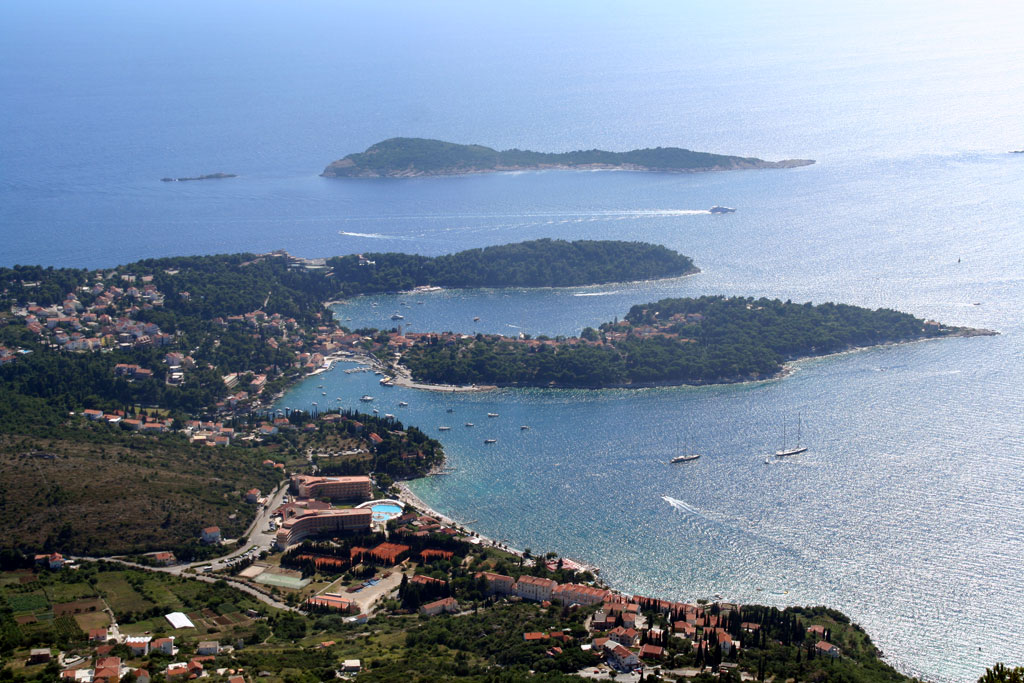
The first rule is realism. There is little value in pretending that a stormy day is secretly perfect for a full coastal circuit or an exposed boat plan. The second rule is confidence. Cavtat is compact enough that weather rarely wastes much time in transit within the town itself. You can shift quickly between a church, a museum, a coffee stop, and a proper meal without letting the whole day collapse into indecision.
Start with the obvious shelters: museum, church, café
Two of Cavtat’s best rainy-day anchors are Bukovac House and the Church of St Nicholas. Bukovac House is one of the key cultural interiors in town and forms part of the official Museums and Galleries of Konavle network alongside the Račić Mausoleum and the County Museum. That matters because bad weather tends to sharpen the value of interiors that already carry narrative. In the house, you are not merely staying dry; you are entering the domestic and artistic world of Vlaho Bukovac. Likewise, St Nicholas offers quiet, scale, and perspective when weather outside becomes noisy or directionless. 
Add a café with proper shelter and time, and the day already improves. Poor-weather travel in the Adriatic is often less about seeing more and more about seeing with less pressure. A coffee under cover while the harbour darkens can be more revealing than a frustrated march under umbrellas. Once you stop trying to replicate the beach plan, the town begins to work again.
Rainy-day choices at a glance
| Mood | Best option | Why it works |
|---|---|---|
| Quiet and reflective | St Nicholas church or the monastery area | Shelter, atmosphere, low friction, and a stronger sense of proportion |
| Cultural and indoors | Bukovac House and nearby gallery-oriented stops | Substance without much travel |
| Need movement | Short harbour loop between showers | Fresh air without overcommitting to exposure |
| Half-day excursion | Dubrovnik museums and Old Town interiors | More indoor density and more ways to use a wet day |
| Shift of scenery | Konavle countryside and sheltered lunch | Different landscape and a slower inland rhythm |
Walk but shorten the walk
One of the common mistakes visitors make is either refusing to go out at all or persisting with an unrealistic full-peninsula circuit in bad weather. The better solution is a short, strategic walk between showers. The harbour front, sections of the old core, and certain more sheltered stretches can still be enjoyable when the rain is light and the wind moderate. Stone darkens beautifully in wet weather. The sea also changes character, sometimes becoming more dramatic and less decorative.
What you should avoid is pretending that a stormy day is secretly ideal for every scenic route. Rat peninsula in strong wind can be unpleasant. Boat-based plans can become pointless. Footwear matters more than enthusiasm. Cavtat rewards prudence.
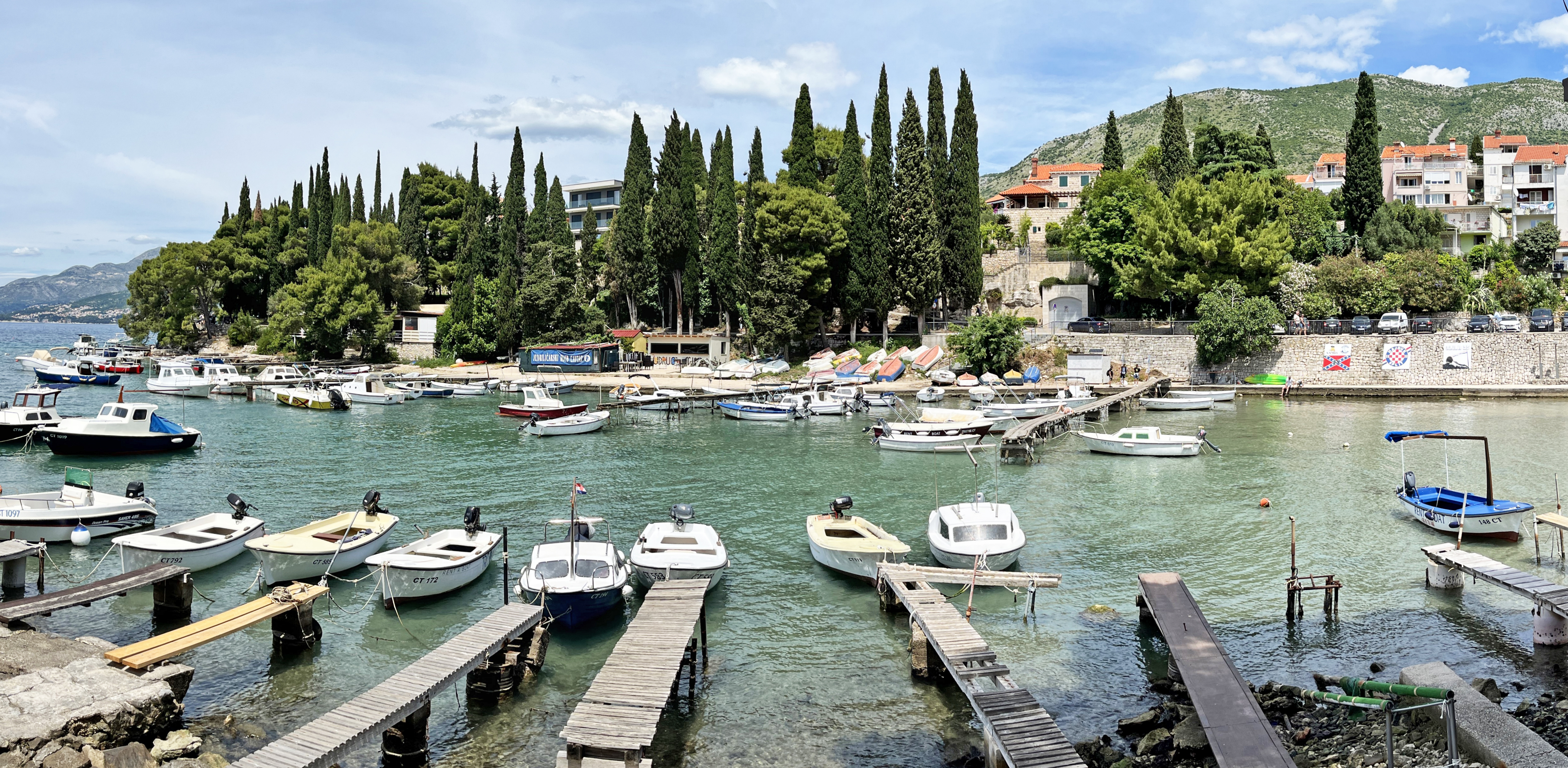
That shorter-walk logic is also why Cavtat works better in poor weather than many more spread-out coastal resorts. You can step out, read the sky, do one stretch of harbour or old-core movement, and retreat again without losing half a day. The place tolerates improvisation well. In bad weather, that is a real luxury.
Indoor dining: where to turn a wet day into a proper meal
Rain often makes lunch or dinner more important, not less. Instead of a quick outdoor stop between swims, the meal becomes one of the day’s main structures. Cavtat is useful here because the official local gastronomy listings include a strong cluster of restaurants directly in town among them Dalmatino, Kolona, Dalmacija, Leut, Bugenvila, Dolium, Galija, Ludo More, La Bohème, and hotel-based options such as Spinaker, Steak House, Tiha Restaurant & Bar, and Civitas.
On a rainy day, what matters is not chasing the most photographed terrace. It is choosing a place where a fully seated meal under cover feels like the day’s anchor rather than a compromise. Harbour-edge restaurants can still be excellent in wet weather if you are inside and the view remains visible through the moodier light. Hotel restaurants can be especially practical because they combine shelter, service continuity, and easy access when conditions are poor.
Harbour meal under cover
Think of this as the classic Cavtat rainy-day move: a proper lunch or dinner at the waterline, but from shelter rather than full exposure. It preserves the atmosphere without forcing the weather.
Hotel dining fallback
Hotel Croatia and Hotel Cavtat options make sense when the weather is too rough for lingering outside and you want a more predictable indoor setting.
Konavle lunch shift
If the coast feels too wet and restless, inland dining in the Konavle direction can be smarter than waiting for a break in the rain that may never come.
For readers already browsing Cavtat Guide’s restaurant coverage, rainy weather is often the perfect excuse to prioritise a longer meal instead of an outdoor schedule. It also pairs well with a lighter sightseeing plan: one museum, one church, one meal, one short walk. That sequence is far more realistic than trying to “save” every original plan.
When to go to Dubrovnik instead
Rain often improves the case for Dubrovnik rather than weakening it. The city has churches, monasteries, museums, galleries, covered passageways, cafés, and enough urban density that even a wet day can still feel productive. That is one of the hidden strengths of staying in Cavtat: Dubrovnik is close enough to function as a weather fallback rather than a major expedition.
A rainy Dubrovnik day is especially good for visitors who have already done the walls or the exposed panoramic sights and now want interiors: monasteries, churches, galleries, and the pleasure of an old city under cloud. Pair that with a calmer evening return to Cavtat and the day feels balanced rather than compromised. For more weather-proof backup planning, it also helps to browse Dubrovnik guides before the rain arrives.
Konavle in bad weather: inland alternatives
Bad weather also gives some travelers permission to turn inland. The Konavle County Museum in Čilipi, part of the same official museum network as Bukovac House, offers one of the cleanest cultural reasons to leave the coast for a while. More broadly, the Ljuta area and the Konavle countryside make sense if the day is merely grey rather than violently wet. A river-mill setting, a countryside lunch, or a drive through the field offers a different mood from sitting by the coast waiting for blue sky that may never come.


This is where weather can actually improve the trip: it encourages a broader understanding of the region. Instead of measuring the day against a missed swim, you let the rain push you toward churches, museum rooms, country food, and a less obvious version of southern Croatia.
Hotel spaces, reading, and the value of staying put
Not every rainy day needs a schedule. Sometimes the best response is to use your hotel or apartment properly: a long breakfast, reading, catching up on notes, then one or two carefully chosen outings. Cavtat works well for this because the town does not require constant motion to justify itself. You can read winter-focused guidance for the region, step out for a museum or church, and return without feeling that you have surrendered the day.
In fact, poor weather can reveal whether you genuinely like a place or only like its postcard. Cavtat usually survives that test. Its scale, churches, houses, harbour life, and museum interiors still hold together when the sky closes in.

Frequently Asked Questions
Is Cavtat worth visiting in the rain?
Yes. Cavtat works unusually well in poor weather because it combines short walking distances, cultural interiors, and easy fallback options in Dubrovnik and Konavle.
What is the best museum for a rainy day in Cavtat?
Bukovac House is one of the most useful rainy-day stops because it gives the day substance without requiring much travel or exposure.
Should I still walk around Cavtat in bad weather?
Yes, but shorten the walk. Choose harbour stretches or short sections of the old core between showers rather than forcing full exposed circuits.
Where can I eat indoors in Cavtat when it rains?
Cavtat’s official gastronomy listings include many in-town options suitable for a proper sheltered meal, including Kolona, Dalmatino, Dalmacija, Leut, Bugenvila, Galija, hotel restaurants, and more.
Is Dubrovnik a good rainy-day excursion from Cavtat?
Very often, yes. Dubrovnik gives you more museums, churches, monasteries, and urban interiors, which makes it one of the smartest bad-weather extensions of a Cavtat stay.
Conclusion: salvage the day gracefully
The best rainy days in Cavtat are not heroic. They are adjusted. They use the town’s actual strengths: short distances, sacred interiors, museums, covered dining, and easy access to Dubrovnik or inland Konavle. They let bad weather be part of travel rather than proof that travel has failed.
Once you accept that, Cavtat in the rain becomes not a ruined version of the destination but a more inward one quieter, darker, slower, and often more intelligent. It asks for flexibility rather than retreat, and that is usually enough to turn a spoiled plan into a genuinely memorable day.

Need help planning Cavtat beyond the beach?
Explore experiences, or send an inquiry and Cavtat Guide will help you build a stay that still works when the weather turns.