

The most consequential shift in yachting in 2026 is not technological. It is human. Charter guests are changing faster than many yachts, marinas and destinations have fully acknowledged. They still appreciate glamour, but they are less impressed by generic demonstrations of it. They still want ease, but their definition of ease has become far more demanding. They want room, but also silence. They want crew attentiveness, but not theatrical over-service. They want their children entertained without surrendering the tone of the trip. They want excellent food that feels aligned with how they actually live. And increasingly, they want a charter that can support more than one identity at once: holiday, family reset, wellness retreat, floating office, celebratory gathering, and private refuge.
This evolution matters because it changes what counts as luxury. A yacht used to win by being visibly more impressive than the alternatives. In 2026, it wins by being more adaptable to the emotional and logistical needs of the people on board. That is a more complex challenge. A glamorous exterior can still attract attention, but guest satisfaction increasingly depends on whether the charter can handle mixed priorities without feeling compromised. For a family, that may mean children, grandparents and a working parent all needing different things from the same day. For a couple, it may mean privacy, wellness and a few highly personal experiences rather than a maximal itinerary. For a group of friends, it may mean moving between lively shore moments and complete retreat without friction.
Croatia is well placed to benefit from this shift because the Adriatic naturally lends itself to flexible pacing. The coastline allows short passages, varied shore texture and numerous decision points where a captain and crew can adjust the rhythm of a trip. But the market will reward only those operators who understand why that flexibility matters. The sea is not enough on its own. A charter must now feel emotionally intelligent.
Privacy is no longer only for celebrities
For years privacy in yachting was discussed as a luxury for the visibly famous or the extremely rich. In 2026 it has broadened into a mainstream aspiration within the high-end market. Professionals who live hyper-exposed digital lives want periods of invisibility. Families want to reconnect without being photographed, queued, timed or managed by hotel public space. Founders and investors want somewhere they can think without interruption. Even celebratory groups often want one thing above all: not to perform their holiday for everyone else.
The charter guest of 2026 is not simply buying sea access. They are buying control over exposure, pace and emotional bandwidth.
This is one reason yachts continue to compete so effectively with land-based luxury. A villa may provide privacy, but it cannot relocate the mood when conditions change. A hotel may offer polished service, but it also exposes guests to social density, fixed meal times, public circulation and the subtle fatigue of being seen. A well-run charter can combine discretion, mobility and personalisation in a way few other formats can match.
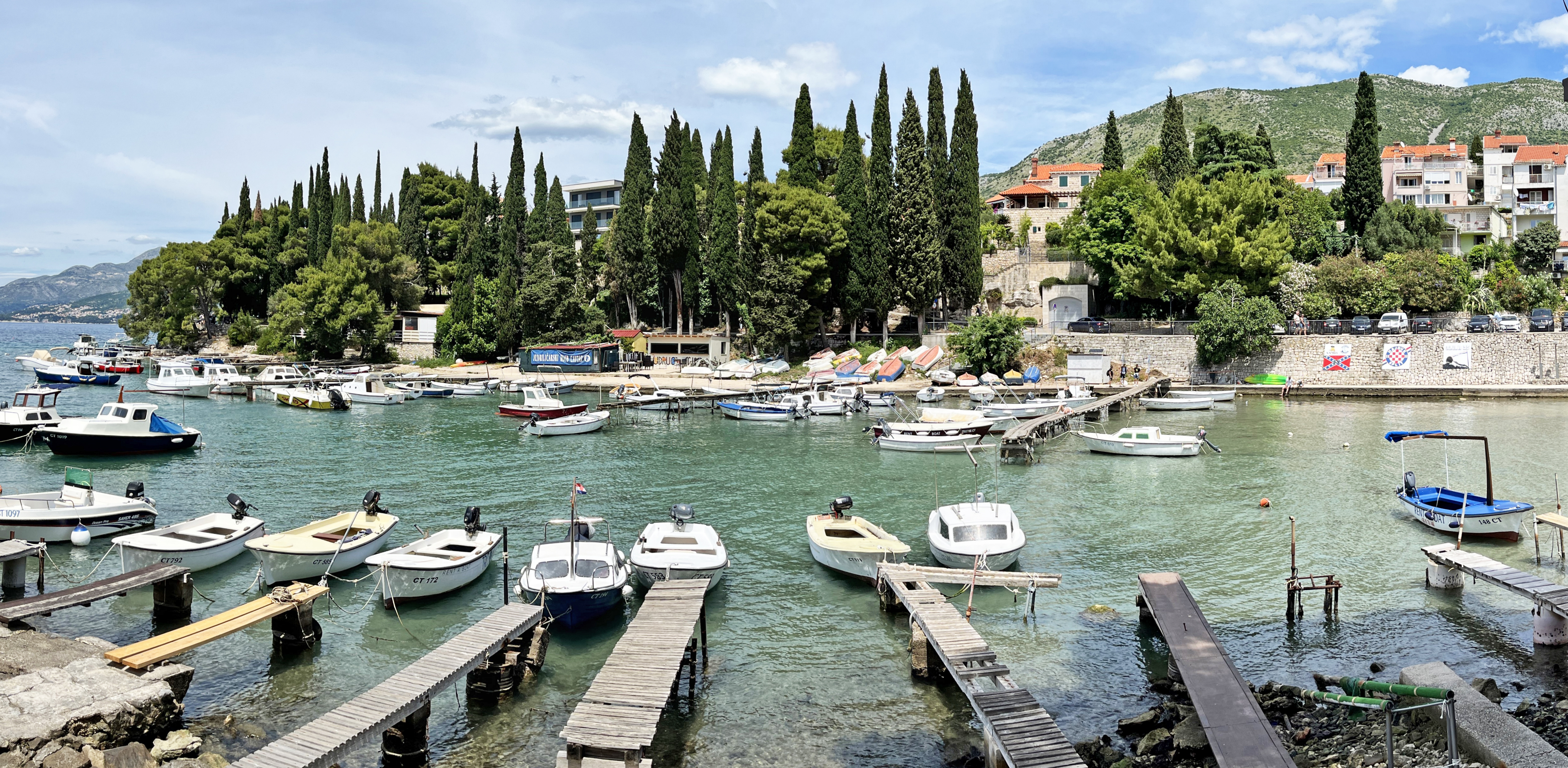
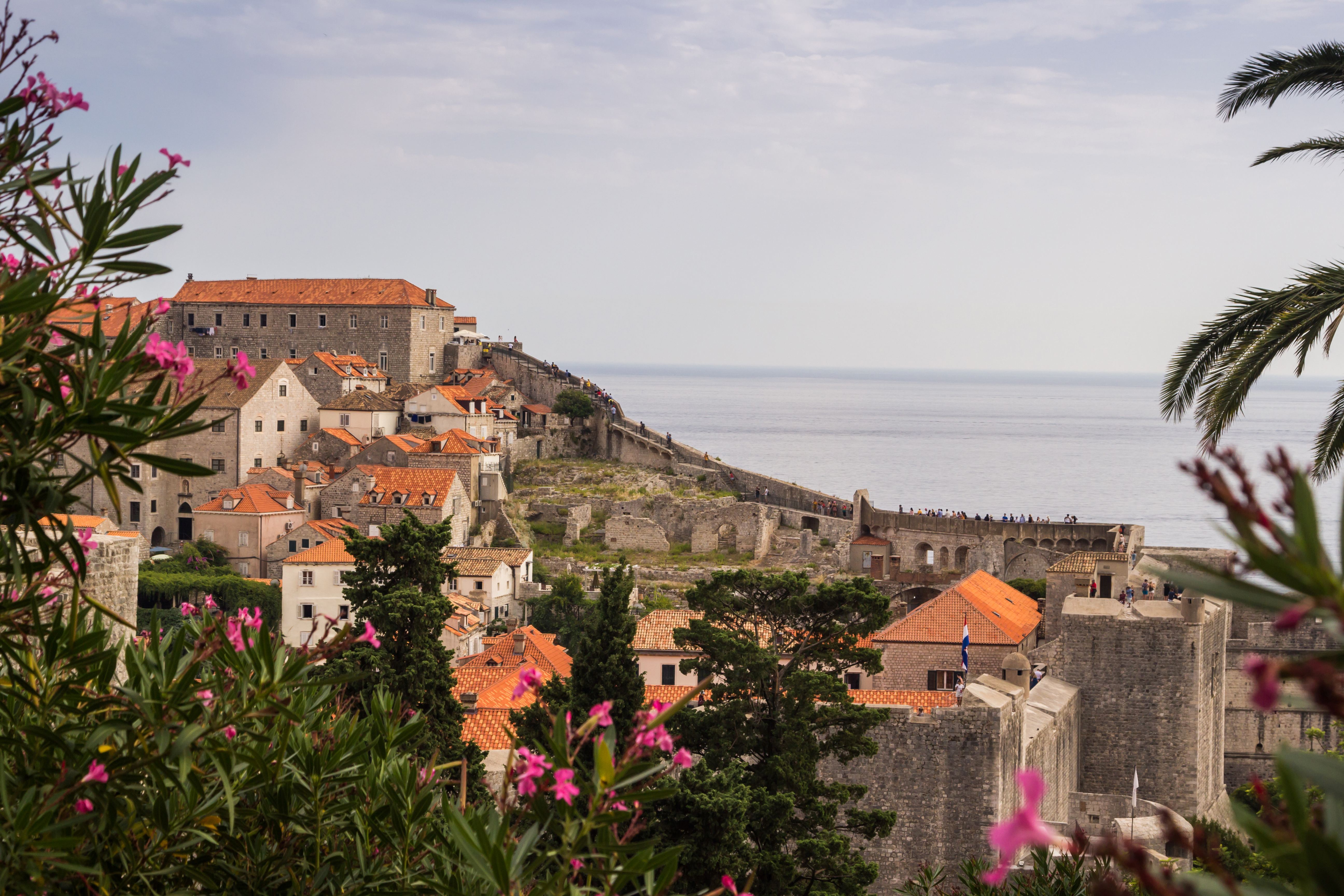
For Croatia, that means the most attractive itinerary is not always the most famous one. The winning trip often alternates between recognisable names and quieter waters. Dubrovnik retains its draw, but many guests want to touch it lightly rather than spend the entire week inside its gravitational field. Cavtat benefits here because it offers proximity without intensity. It can feel connected to Dubrovnik while retaining enough distance to preserve the sense of retreat.
Wellness has become behavioural, not cosmetic
Modern charter guests speak about wellness in practical terms. They ask about morning swims, pilates mats, therapists, healthy children’s meals, low-sugar desserts, alcohol-light options, circadian lighting, proper coffee, good bedding, cleaner air, cold storage for juices and supplements, and menus that do not assume indulgence must mean heaviness. This is not anti-luxury. It is contemporary luxury.

What affluent travellers increasingly dislike is the old false choice between discipline and pleasure. They want both. They want a superb lunch and a swim platform. They want a tasting menu one evening and a deeply simple grilled fish lunch the next. They want to sleep well after dinner rather than recover from dinner. On yachts this translates into more thoughtful galley planning, more flexible service timing, and a crew culture that can deliver healthy living without making it feel instructive.
Croatia fits naturally into this style of charter because the landscape already supports it. There are towns for a long walk, waters for repeated swims, islands for paddleboard mornings, and shore excursions that can feel restorative rather than extractive. Readers who have enjoyed lifestyle-led local coverage such as Cavtat Bay seafood features or more practical local experiences like this speedboat perspective on the wider coastal canvas will recognise how much the region’s appeal already aligns with this gentler but more exacting idea of luxury.
Family travel is reshaping the charter brief
Multigenerational travel continues to influence the charter market because a yacht solves several problems at once. Families can remain together without living on top of one another. Children can be active. Grandparents can rest. Parents can regain a sense of control over schedules and meals. Everyone can share high-value moments without accepting the compromises of a resort built for the median guest rather than the specific group.
| Guest type | What they usually prioritise in 2026 | Implication for yacht and itinerary planning |
|---|---|---|
| Young families | Safe swimming, flexible meal times, easy shade | Short passages, calm bays, child-aware crew routines |
| Multigenerational groups | Space, quiet cabins, gentle logistics | Balanced itinerary, easy tender transfers, comfortable shore options |
| Couples | Privacy, romance, tailored service | Selective anchorages, strong dining, spa or wellness options |
| Hybrid leisure-work guests | Connectivity and discretion | Stable internet, quiet work zones, efficient arrival and departure |
| Friends’ groups | Freedom, social energy, spontaneity | Flexible mix of lively towns and private anchorages |
This is one of the clearest reasons the southern Adriatic matters. It offers enough variety to satisfy mixed generations without requiring tiring relocation. A family can spend time around Cavtat, move toward Dubrovnik, reach island stops, and still preserve energy for actually being together. In 2026, that may be the most valuable thing a charter can offer: not activity, but the conditions for quality attention.
Work-from-yacht is becoming normalised
The once niche idea of working at sea has matured into something more plausible and less performative. Not every guest wants to answer emails from a sundeck, and not every charter should pretend to be a floating office. But for many modern travellers, total disconnection is neither realistic nor desirable. They want enough connectivity to handle decisions, join a call, review documents or remain reachable for defined windows, while still preserving the psychological separation that makes a charter restorative.

This changes the brief for both yachts and destinations. Reliable connectivity, quiet corners, intelligent charging setups and predictable transfer timing all become part of the premium offer. So does the ability to transition smoothly between yacht and shore-based working environments. Cavtat has an advantage here because its proximity to Dubrovnik Airport and its calmer waterfront atmosphere make short-format luxury travel more believable. A guest can arrive for a compact trip, remain available if necessary, and still feel properly away.
For charter businesses, this means the old distinction between holiday and productivity is weakening. The real objective is controlled permeability: enough connection to avoid anxiety, enough separation to preserve pleasure. The yachts and destinations that understand this do not ruin the fantasy; they make it usable.
Service has become more psychological
Great crews have always read the room. In 2026 that skill is more commercially important than ever. Guests want anticipation, but they do not want intrusion. They want warmth, but not forced familiarity. They want a child’s preferences remembered without the adults feeling surveilled. They want pace changes handled discreetly. They want dietary discipline executed without making the table feel clinical. They want a birthday recognised, but not turned into amateur theatre.
This is why service culture may be the decisive frontier for Croatia’s premium future. The country already has the sea, the routes and the appeal. The next gains will come from elevating the softer skills around them: concierge response, transfer fluency, provisioning accuracy, bilingual confidence, wellness literacy and the sort of quiet competence that wealthy guests instantly notice. These are not cosmetic upgrades. They are central to how the new guest experiences value.
What this means for the Adriatic luxury proposition
If the guest of 2026 values privacy, wellness, family usability, digital flexibility and emotionally intelligent service, then the Adriatic should feel like a strong answer. But the region must tell that story with more conviction. Croatia should not market yachting merely as an upgrade from crowded beaches or as a scenic indulgence. It should market it as a sophisticated format for how affluent people actually want to travel now.

This does not mean abandoning glamour. It means grounding glamour in utility. A beautiful yacht that supports a family, a discreet couple, an executive parent or a health-conscious group is more valuable than a more ostentatious one that cannot. A destination that offers both world-recognised heritage and fast access to private water is more valuable than one that offers only social visibility. In that respect, the southern Adriatic is exceptionally well placed.
Ultimately, the charter guest of 2026 wants something deceptively simple: a holiday that understands them. Not an abstract luxury persona, not a brochure stereotype, but the actual patterns of how they live, eat, work, rest, parent and recover. Yachting remains one of the few travel formats capable of meeting that brief. Croatia remains one of the few Mediterranean geographies naturally suited to delivering it. The commercial opportunity lies in joining those two truths with greater precision.
Quiet luxury is often a scheduling decision
One underappreciated part of this shift is that quiet luxury frequently has less to do with materials than with timing. Guests remember whether breakfast felt rushed, whether lunch landed at the right moment after a swim, whether a shore visit was worth the effort, whether children had somewhere to decompress, and whether the crew understood when the group wanted company and when it wanted silence. In other words, luxury is increasingly experienced as successful scheduling. This is a subtle area where well-planned Adriatic charters can outperform more famous destinations. Short passages mean more room to breathe. A crew can adjust the day without sacrificing the itinerary. Guests can feel looked after without being marched through a program.
That matters to repeat charterers because repetition heightens sensitivity. First-time guests may be overwhelmed simply by being on board. Repeat guests notice where flow breaks down. They compare sleep, shade, provisioning, transfer times and crew sensitivity. In 2026 the operators who win long-term loyalty are the ones who treat those details as the product rather than as backstage concerns. For Croatia, this is encouraging. The country’s physical geography already supports flow. The next step is to translate that natural advantage into a more deliberate service language that recognises what modern luxury travellers actually reward.
Seen in that light, the future of charter is not merely about larger yachts or more dramatic toys. It is about better reading of human needs. Croatia’s premium edge will grow to the extent that its captains, crews, marina teams and shore partners can demonstrate that they understand this new guest: health-aware but pleasure-loving, digitally connected but privacy-seeking, family-oriented but still protective of adult time, and impressed less by noise than by judgement. The Adriatic does not need to become louder to serve that traveller. It needs to become even more coherent.
On the sustainability and service side, guests are also more likely to encounter informed conversations shaped by organisations such as the Water Revolution Foundation, which has helped push environmental literacy higher within the superyacht conversation.
There is also a cultural dimension to this. Guests increasingly want destinations that feel like places, not merely service corridors. The southern Adriatic’s advantage is that it can offer authentic towns, serious food, maritime heritage and a clear sense of local character without forcing guests into heavy logistics. That kind of grounded setting helps the charter feel more personal, which is exactly what the new guest is usually seeking.
Need help choosing the right experience?
Tell us your budget, dates, and travel style, and Cavtat Guide will help you choose the best yacht charter, tour, property option, or local experience.