

Updated for 2026
Main takeaway: Island real estate in Croatia appeals not because it is simple, but because it offers a more deliberate, place-specific way of living.
What serious buyers are really buying: separation, water intimacy, rhythm, and repeatable return.
Most important distinction: Hvar, Korčula, Koločep and the Dubrovnik-area islands are not interchangeable island products; each implies a different ownership culture.
On paper, island real estate in Croatia is easy to romanticize. One imagines morning swims before breakfast, a stone house half hidden by pines, a boat replacing the daily commute, and evenings that feel lifted out of another decade. The Adriatic encourages this kind of thinking, and not without reason. But island ownership is attractive not because it is free of complexity; it is attractive because it asks owners to choose a more deliberate way of living. In Croatia, islands are not interchangeable lifestyle products. Hvar, Korčula, Koločep and the smaller island contexts around Dubrovnik each offer different relationships to travel, provisioning, seasonality and privacy. The buyers who succeed here are those who see islands clearly: as beautiful, logistically specific places where the romance becomes stronger, not weaker, once one understands the mechanics of getting there, maintaining a house there and using it across the year.
That is what gives Croatian island ownership its particular weight. These are not properties purchased only for scenery. They are properties purchased for a way of moving through time. On the mainland, convenience tends to dominate the ownership conversation. On the islands, rhythm enters the picture. Ferries matter. Moorings matter. The character of a harbour, the reliability of local trades, and the quality of shoulder-season life matter. The house is no longer just a building with a view. It becomes part of a larger pattern of arrival, departure, retreat and return.
For international buyers, this is precisely why the category remains so appealing. The islands still feel shaped by geography rather than by pure development logic. The settlement patterns are legible. Stone, sea, shade and topography still govern the architecture. In the strongest cases, the built environment appears anchored rather than imposed. That coherence is increasingly rare around the Mediterranean, and it helps explain why Adriatic island villas continue to attract buyers looking for something more enduring than a generic coastal address.

The island appeal: distance that remains connected
What distinguishes a desirable Croatian island property is not absolute remoteness but calibrated separation. Buyers want enough distance to feel that life has changed when they arrive, yet enough connectivity that the property remains usable for family, guests and management. This is why islands with strong ferry links, marina culture or proximity to airports perform so well in the imagination of second-home buyers. The ideal island does not erase effort completely. It simply asks for a level of effort that still feels elegant rather than exhausting.
Hvar and Korčula remain two of the clearest examples. Hvar offers glamour, historic urbanity and a summer social world that attracts buyers who want vibrancy as well as beauty. Korčula, by contrast, often appeals through balance: a handsome historic centre, vineyard and village life, excellent swimming and a mood that can feel more grounded. Neither island is simply about beaches. Both allow ownership to become a pattern of return, which is one of the clearest signs of second-home strength.
Closer to Dubrovnik, Koločep demonstrates a third kind of appeal. It is not about scale in the Hvar sense, nor about the broader island organism that Korčula provides. Its attraction lies in intimacy, water access and the possibility of car-light island calm within the gravitational field of Dubrovnik’s airport and cultural infrastructure. That combination can be extremely persuasive for buyers who want island identity without complete separation from the mainland operating system.

What buyers are really purchasing on an island
Island ownership in Croatia rewards a different hierarchy of values from mainland ownership. On the mainland, buyers may prioritise road access, year-round services and broader resale comparables. On an island, emotional and environmental factors grow in weight. Orientation, bathing access, mooring possibility, village texture, ferry reliability and the feel of the approach become central. The route to the house becomes part of the house.
This is why editorial examples matter. A private island opportunity in the Dubrovnik region represents the outer edge of island desire: ultimate scarcity, maximum symbolic ownership, but also maximum need for realism. The phrase private island captures attention instantly, yet serious buyers will ask about docking, infrastructure, legal posture, servicing and conservation constraints before letting fantasy determine value. More modest island assets can sometimes deliver a better lived experience because they are easier to use and easier to maintain.
In practical terms, buyers are often purchasing four things at once: separation, water intimacy, a highly specific rhythm of life, and a story they can keep returning to. The difficulty is that each of those benefits has an operational counterpart. Separation means logistics. Water intimacy may mean maintenance. Rhythm requires planning. Story requires repeat use. The strongest buyers accept these pairings rather than resenting them later.
Second homes versus island projects
There is also a crucial distinction between buying an island home and buying an island project. A finished seafront villa on Koločep offers immediate lifestyle and quicker operational clarity. An approved building plot offers creative control, but with construction logistics, consultant coordination and time risk. Island buyers need to decide whether they want arrival or authorship. Both can be valid. Confusing the two is where trouble begins.
Simple filter: if the property strengthens your likely pattern of return, it is promising. If it flatters the imagination but weakens day-to-day usability, it is probably the wrong island asset.

Hvar, Korčula and the shape of prestige
Hvar has long occupied a particular space in the Adriatic imagination. It is stylish, social and internationally legible. Buyers drawn there are often responding not only to architecture or coastline, but to a wider ecosystem of restaurants, yachting, hospitality and summer identity. Prestige on Hvar can therefore be performative in the best sense: ownership becomes part of a visible Mediterranean life. For some buyers, that is precisely the point. They do not want only privacy. They want atmosphere with a public edge.
Korčula tends to attract a slightly different sensibility. The island’s appeal often feels deeper rather than louder. Buyers talk about vineyards, village life, swimming platforms, old stone fabric and the pleasure of an island that can feel elegant without insisting on spectacle. For families or those seeking longer stays, Korčula property can seem more inhabitable. The historic centre has gravity, but the wider island also offers a quieter domestic logic. The point is not that one island is better than the other. It is that Croatian island ownership remains highly differentiated, and wise buyers match island mood to personal rhythm.
Near Dubrovnik, Koločep demonstrates a third kind of prestige: one built not on maximum scale or summer visibility, but on proximity and restraint. It offers a version of island ownership that does not require abandoning the wider world. In market terms, that can be extremely powerful. For buyers who want island calm without sacrificing airport access, service support or cultural proximity to Dubrovnik, that balance may be more valuable than a louder island reputation.

Accessibility is not the enemy of romance
Foreign buyers sometimes worry that too much accessibility somehow weakens island authenticity. In practice, accessibility is what allows many island homes to become genuine second residences rather than one-off fantasies. Ferry links, boat connections, marina support, food provisioning and the reliability of local trades all influence whether owners keep returning outside July and August.
This is especially important for families with children, multi-generational households or owners who intend to spend spring and autumn on the coast. A picturesque house that takes too much effort to reach may become less used than a calmer but better-connected property. That is why island editorial analysis must go beyond beauty. It should ask how ownership feels in April, October and a windy week in January.
Accessibility also shapes the emotional durability of ownership. Many buyers initially think they want maximum removal from everyday life, but later discover that a little too much separation creates its own fatigue. The strongest island homes are often those where the journey still feels distinct, but not punishing; deliberate, but not burdensome. Romance survives more easily when logistics are respected.
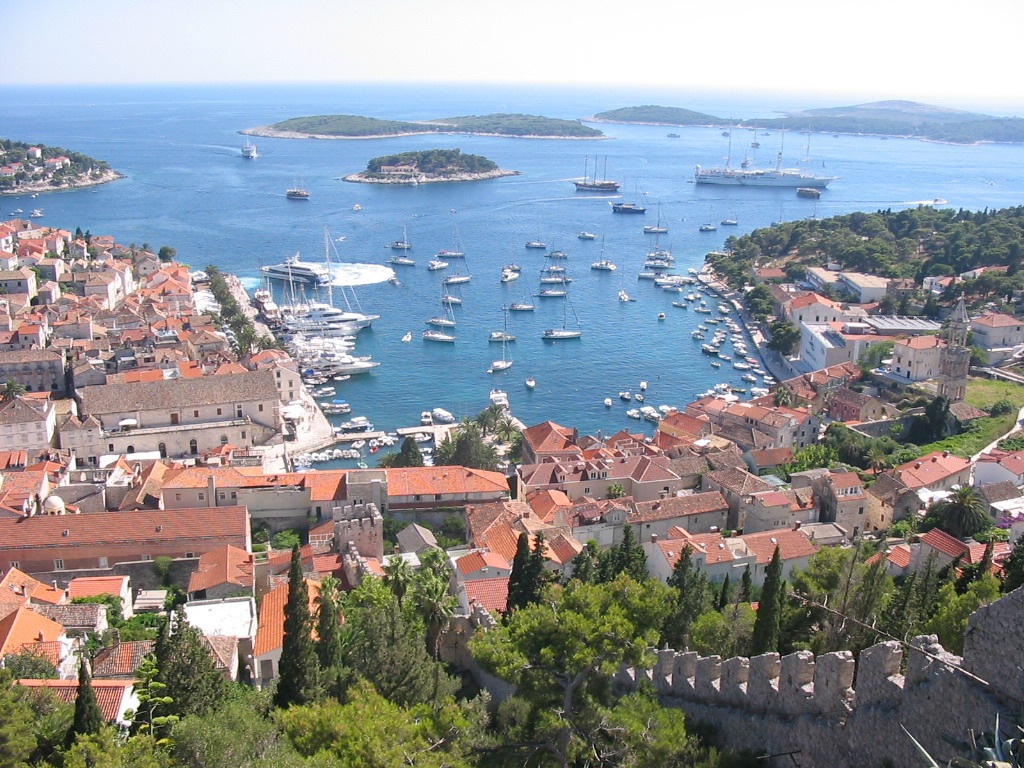
The enduring appeal of the Adriatic second home
Even with those cautions, the appeal of island ownership in Croatia remains strong because the underlying proposition is unusually persuasive. The islands offer visual coherence, cultural depth, relatively intact settlement patterns and a still-recognizable relationship between built form and landscape. Stone, shade, water and topography all matter here. Houses often feel anchored rather than imposed.
The best island purchases therefore deliver two pleasures at once. They offer private escape, but they also insert owners into a larger Adriatic order of ferries, harbors, vineyards, summer rituals and maritime weather. To buy a second home on a Croatian island is not merely to acquire seclusion. It is to join a geography with its own habits of movement and belonging.
This is also why the category continues to attract buyers who could afford easier alternatives elsewhere. A Croatian island home still feels culturally located. It belongs to somewhere. And for many sophisticated second-home buyers, that matters more than frictionless standardization ever could.

Why island ownership changes one’s sense of time
Owners on islands often describe an unexpected shift not only in scenery but in tempo. Journeys are planned rather than improvised. Weather is watched more attentively. Provisioning becomes part of the rhythm of the stay. This can feel inconvenient to those expecting frictionless urban life, yet many buyers experience it as a relief. The house stops being merely a luxury object and becomes a participant in a slower order of living.
That change in tempo has market significance. A successful island second home is rarely judged only by square metres or resale comparables. It is judged by how gracefully it accommodates this different pace. Does the village support daily life? Is there enough shade to linger outdoors? Can one arrive after travel and still feel settled quickly? Does the island invite return in quieter months? These are not sentimental questions. They determine whether owners keep building memories there or gradually use the property less than expected.
In that sense, islands are unusually honest markets. They make clear, more quickly than many mainland locations, whether the buyer is in love with the idea or with the life itself. The stronger purchases tend to come from the second category.
At a glance
| Island buying question | Lifestyle implication | Ownership implication |
|---|---|---|
| How do you arrive? | Defines spontaneity of use | Affects guest logistics and management costs |
| Can you build or only restore? | Shapes design freedom | Determines consultant and permit complexity |
| Is there mooring or marina access? | Changes how often owners use the sea | Adds a major premium in yachting-led markets |
| What happens off-season? | Reveals whether the house is a summer fantasy or a true second home | Affects maintenance planning and rental assumptions |
| What kind of island mood do you want? | Social, quiet, heritage-led or family-focused | Guides the right choice between places such as Hvar, Korčula or Koločep |

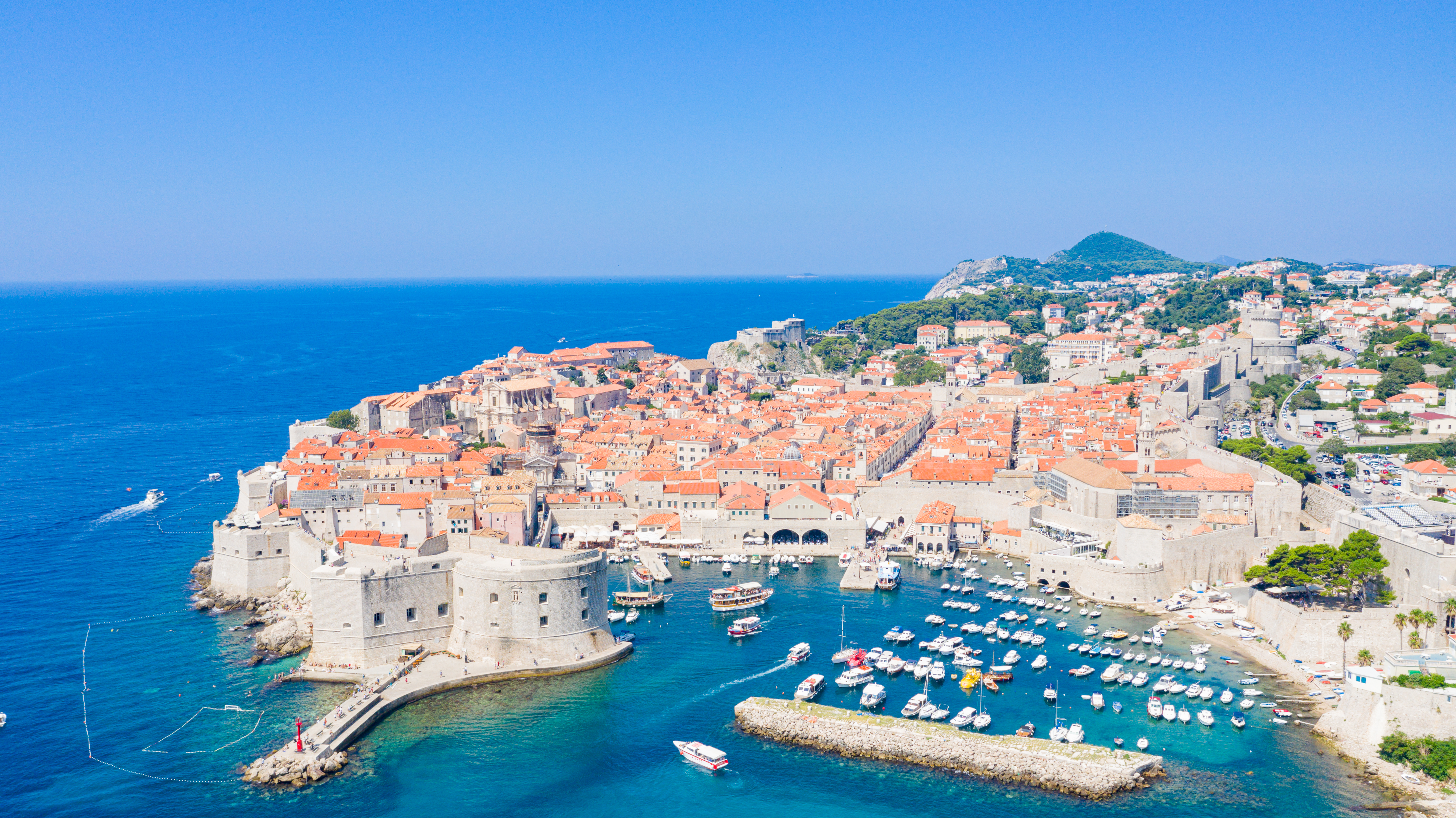
On the Adriatic, the route to the house becomes part of the house.
Conclusion
Island real estate in Croatia is attractive because it still feels shaped by geography rather than by pure development logic. But that is also why buyers must choose carefully. The right island home is not just a photogenic possession. It is a place whose access, maintenance and atmosphere fit the life one genuinely intends to lead. Read properly, the Adriatic islands are not fantasy markets. They are highly specific worlds, and that specificity is precisely their charm.
For some buyers, that world will be Hvar, where social summer and recognizable prestige make ownership feel outward-facing and vibrant. For others it will be Korčula, where the pleasure lies in depth, rhythm and return. For others still it may be Koločep or another smaller island near Dubrovnik, where intimacy and proximity create a quieter but extremely persuasive form of second-home value. The point is not that one island is best. It is that each asks a different question of the owner.
The strongest purchases answer that question honestly. Once that happens, the mechanics of island life stop feeling like obstacles and start feeling like the structure that gives the whole ownership experience its meaning.
Exploring island real estate in Croatia?
Tell Cavtat Guide your budget, preferred island mood and ownership priorities, and we will help you think through the right Adriatic setting, the right property type and the right rhythm of island life.