

Visitors arrive in Cavtat expecting fish, grilled squid and a postcard version of Adriatic dining, and they are not wrong. But they are often only half right. To eat well in Cavtat, you need to understand not just dishes but habits: what counts as everyday food, how much of the menu is shaped by the catch and the season, why side dishes matter, when a meal is supposed to feel light and when it is supposed to feel slow, and how ordering changes once you stop treating seafood as a special event. Cavtat’s dining culture is best understood as a mixture of coastal practicality, inherited Dalmatian taste and tourist mediation. The good news is that once you grasp the local logic, it becomes much easier to order intelligently.
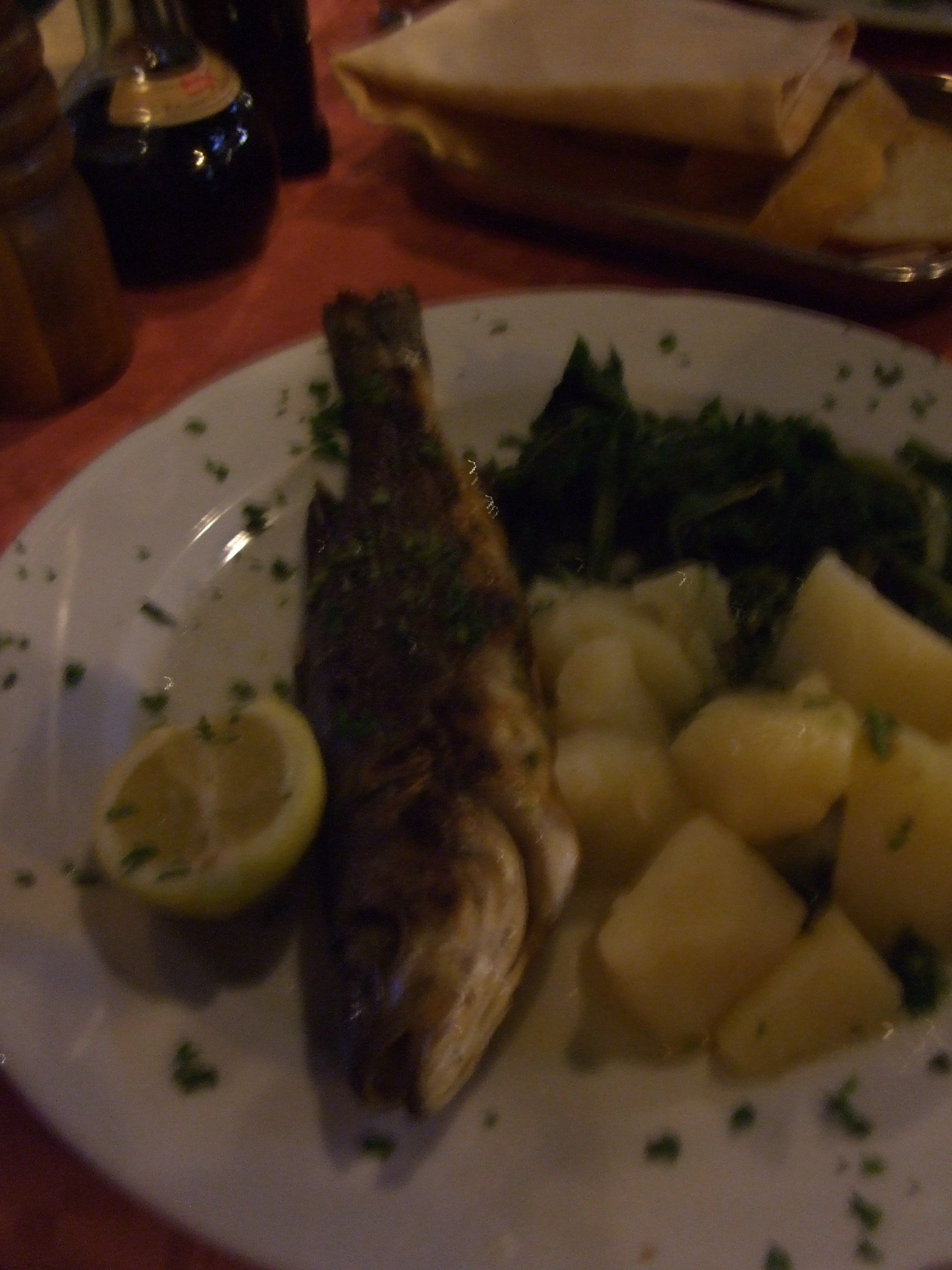
The first point is that seafood here is not a luxury category in the abstract. It is part of an everyday coastal language. That language includes grilled fish, squid, scampi, octopus, mussels, black risotto, fish soup and anchovy-based starters, but it also includes potatoes, blitva, olive oil, lemon, parsley and bread. The plate is rarely trying to impress through complexity alone. More often it is trying to make the sea legible without overworking it.
The difference between seafood and seafood culture
Tourists often think choosing fish is enough. In reality, local seafood culture involves decisions about form, freshness and appetite. Whole fish may be the right choice at lunch when you want clarity and restraint. Black risotto can make more sense in the evening when you are ready for something denser and more atmospheric. Mussels on buzara speak to sauce, bread and sharing. Octopus can appear as salad, stew or roast, each implying a different rhythm of meal.
This is where many visitors improve immediately once they slow down. Instead of hunting for the single “best” dish, they begin to ask the better question: what makes sense here, now, in this place, at this moment?

What locals and informed visitors tend to look for
Fish-first dining in Cavtat is usually about straightforward treatment. Grilled sea bass, sea bream or other local species are valued when they taste of themselves, with olive oil, salt and lemon doing supporting work. Potatoes or blitva on the side are not filler. They complete the Adriatic plate. Squid is similarly revealing: grilled when you want directness, fried when you want ease, stuffed when the kitchen is leaning toward a more old-fashioned tavern style.
Black risotto deserves special mention because it is one of the dishes most frequently ordered by visitors and most often misunderstood. At its best, it is not merely “the black one” on the menu. It is a dish of texture and depth, usually carrying cuttlefish ink, stock, rice that should still have life to it, and a marine savouriness that is richer than grilled fish but still recognisably coastal.
Useful Cavtat food logic in one table
| Dish or style | What to expect | Best moment to choose it |
|---|---|---|
| Whole grilled fish | Clean flavour, minimal handling, lemon and olive oil | Lunch or a light, sea-facing dinner |
| Black risotto | Richer, ink-based, savoury and atmospheric | Evening or cooler weather |
| Mussels on buzara | Garlic, wine, tomato or parsley notes, sauce for dipping bread | Shared starter or relaxed lunch |
| Octopus salad | Cold, dressed, often lighter than people expect | Warm lunch or starter |
| Roast octopus with potatoes | Deeper, slower and more substantial | Dinner or long lunch |
| Grilled squid | Direct, dependable, coastal classic | Almost any time |

Everyday dishes beyond the headline seafood
A good food guide for Cavtat should also resist turning the town into a pure fish theatre. Everyday Adriatic eating still includes soups, cold starters, cured meats, local cheeses, bread, seasonal vegetables and desserts that often feel simpler than international visitors expect. Anchovies may appear as part of a starter logic rather than as a main event. Fish soup remains one of the clearest signs that a kitchen understands coastal appetite. Salads matter more in heat than people from cooler climates sometimes realise.
Then there is octopus, which deserves its own category in local imagination. Served cold in salad, it can be brisk and mineral. Roasted with potatoes, it becomes something more domestic and substantial, closer to the kind of dish you remember from family kitchens and konobas than from a polished seaside menu.


How to order better in Cavtat
The most useful piece of advice is to ask without sounding performative. Ask what fish is available today. Ask whether the fish is grilled whole. Ask what comes with it. Ask whether the black risotto is made with cuttlefish. Ask if the octopus is salad or baked. These are ordinary questions, not expert theatre. They show that you are trying to eat in tune with the kitchen rather than against it.
Another practical point: do not overload the table too early. In Cavtat, appetite is shaped by heat, swimming, walking and late light. A lighter lunch followed by a slower dinner often works better than trying to turn every meal into a feast. Readers who already enjoy local tasting may want to connect the experience to Cavtat’s more ambitious dining scene, but the underlying intelligence remains the same. Simplicity done well is not a compromise here.

Seafood, weather and season
Food changes with weather more than menu boards suggest. In bright summer heat, grilled fish, salads and simply dressed shellfish make intuitive sense. On a cooler or rainy day, black risotto, fish soup or roast octopus feel more satisfying. Shoulder-season travelers should take advantage of this. Cavtat’s food becomes more interesting when it is not forced into permanent midsummer mode.
Off-season readers will notice another advantage: mealtime becomes calmer and easier to read. Staff have more time, the room is quieter, and you can pay attention to how local people actually eat. That is often the moment when a destination stops being a menu collection and becomes a food culture.

Desserts, endings and the pace of the meal
Dessert in Cavtat is often less dramatic than the savory course, which is perfectly acceptable. Depending on the kitchen, you may see cakes, ice cream, pancakes or more regionally inflected sweets, but the true ending to many Adriatic meals is coffee, a final glass and time. The key point is dining here is not only about what sits on the plate. It is about permission to extend the table slightly beyond the moment of necessity.
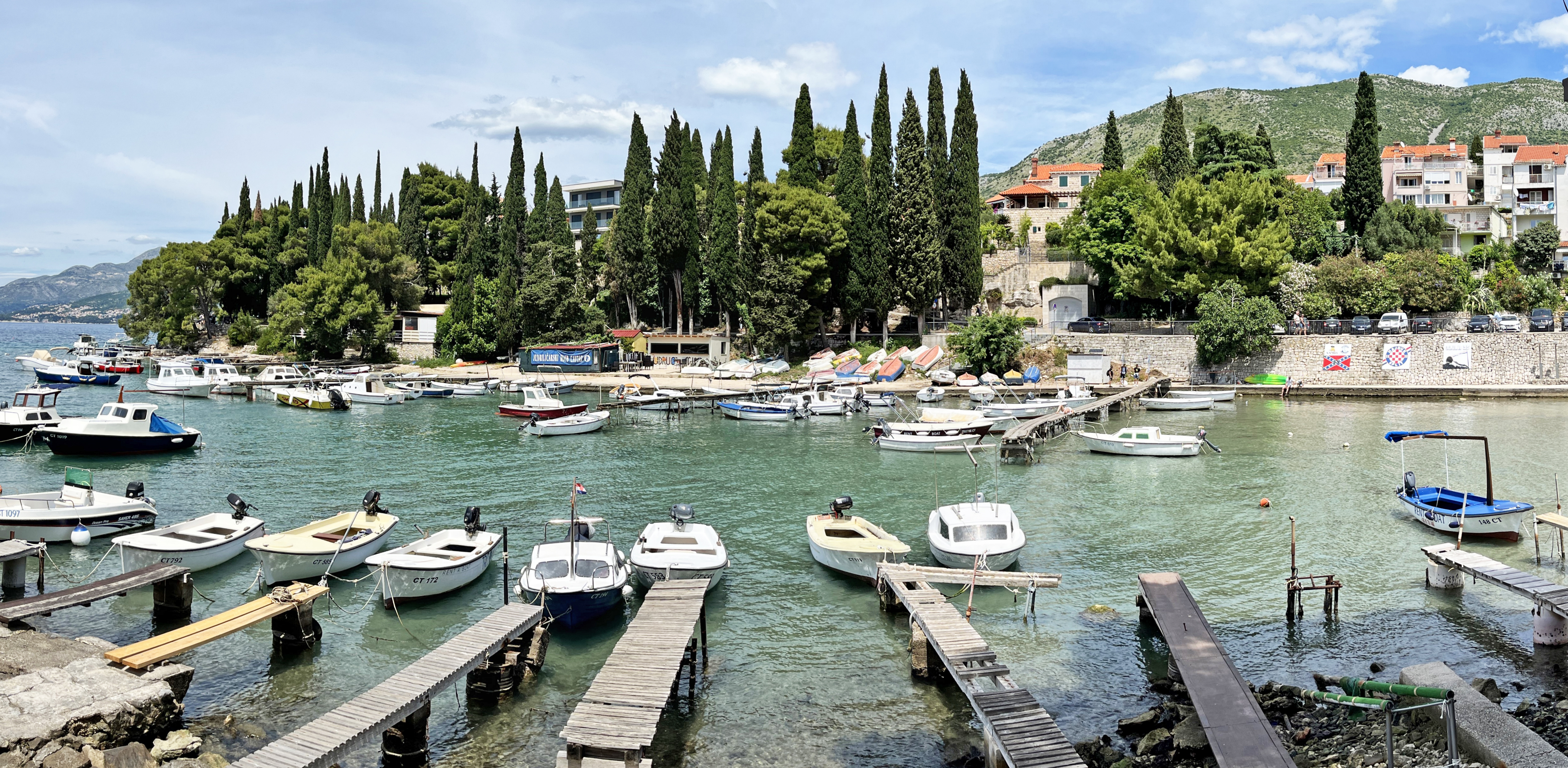
The most satisfying meals in Cavtat usually respect the local pace. They are not rushed, not over-planned, and not overly performative. A whole fish, a bowl of black risotto, a plate of grilled squid, good olive oil, bread for sauce, and an extra ten minutes looking at the harbor can amount to a better understanding of the town than an elaborate tasting menu elsewhere.
Conclusion: eat like the coast makes sense
To eat in Cavtat beyond the obvious is not to reject grilled fish or black risotto. It is to place them properly within a wider Adriatic logic of appetite, season, restraint and pleasure. The town rewards diners who learn how seafood culture actually works: ask what is fresh, choose dishes that fit the hour, value side dishes, respect simplicity and let the pace of the coast guide the meal. Do that, and Cavtat stops being a town where you merely “had seafood” and becomes a place where you began to understand how coastal life tastes.

Need help choosing the right experience?
Tell us your budget, dates, and travel style, and Cavtat Guide will help you choose the best yacht charter, tour, property option, or local experience.