The southern Adriatic does not move at one speed. It moves at at least two, and perhaps that is why it can absorb foreigners so completely. In Dubrovnik, time often feels compressed by significance. The walls, the gates, the old port, the smooth limestone streets and the international gaze all create a sense of concentrated attention. Even when you are doing very little, you feel in relation to something large: a civic myth, a maritime history, a famous image of Europe. In Cavtat, by contrast, time expands. The harbour encourages circling rather than conquest. A coffee can become a morning without apology. Boats seem to organise thought. These two speeds are not opposites. Together they form one of the best introductions a foreign visitor can have to Croatia, because they show how the country balances monument and habit, renown and intimacy, pressure and release.

Most first-time travellers feel the difference physically before they understand it intellectually. Dubrovnik sharpens the senses. Cavtat lowers the shoulders. One place asks you to look up, read, compare, orient and absorb. The other allows you to listen, repeat, settle and notice. To spend time in both is to learn that Croatian coastal life is not simply about what is there, but about how you are asked to inhabit what is there. That lesson matters because many foreign visitors still approach the Adriatic with a single-speed imagination. They expect the entire coast either to perform glamour or to supply rest. Southern Croatia does both, but not in the same place and not in the same manner.
Dubrovnik: the speed of concentration
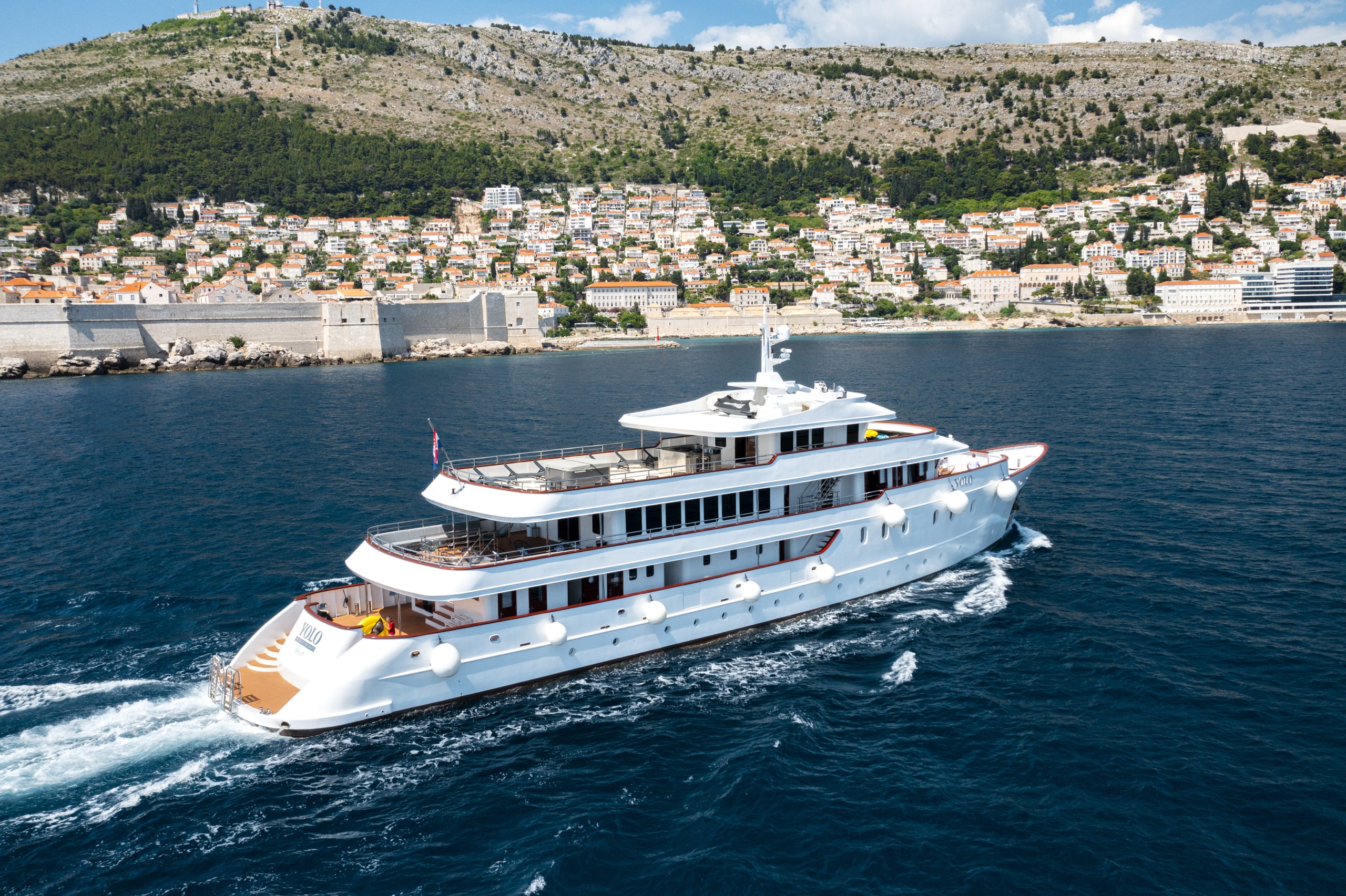
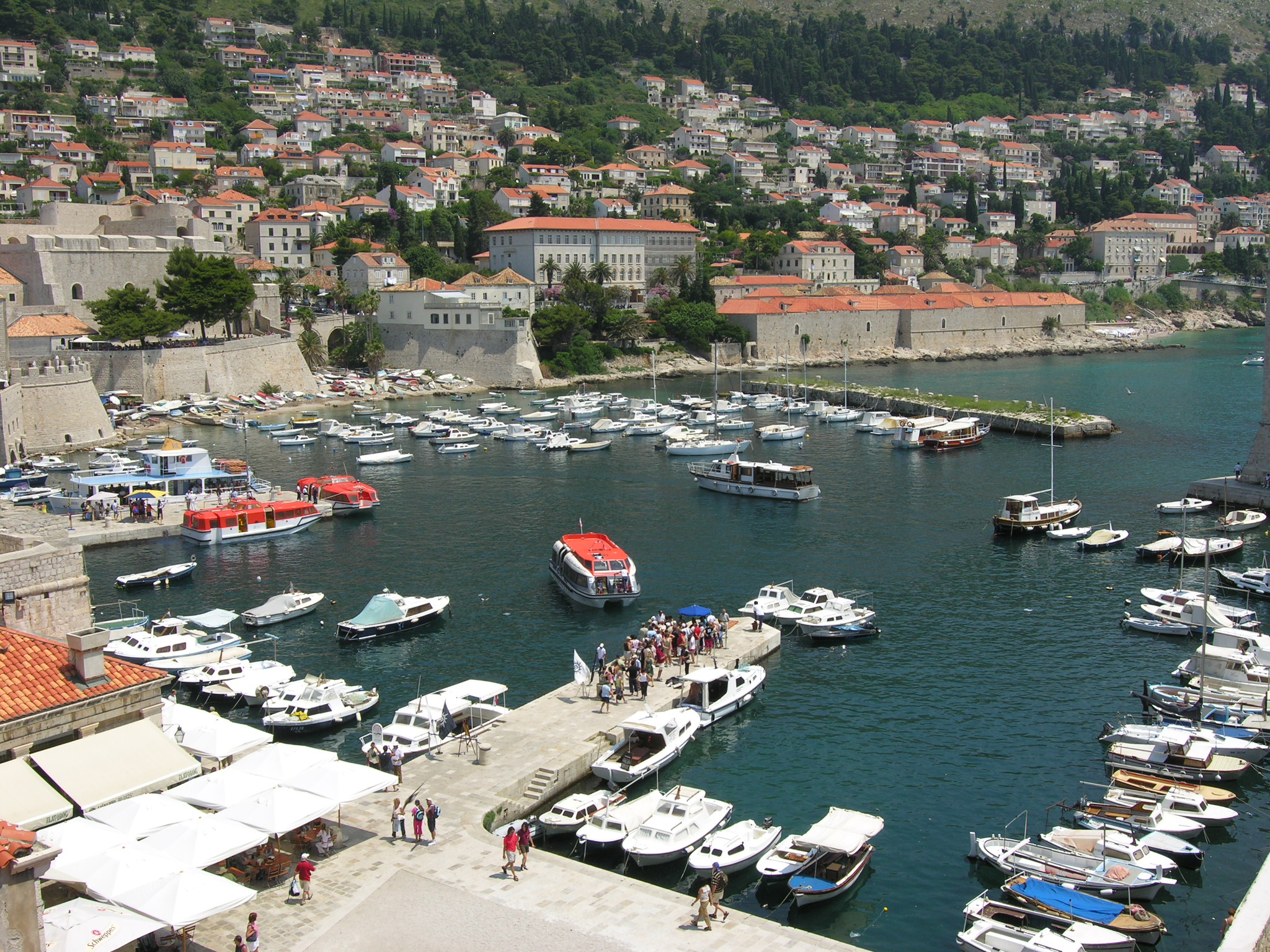
Dubrovnik deserves its intensity. According to the UNESCO profile of the Old City of Dubrovnik, the city grew into an important Mediterranean sea power, and that history is not buried beneath the tourist economy; it remains legible in stone, layout and waterfront posture. The city can still make a first-time foreign visitor feel that urban form matters. Streets direct the body with purpose. Fortifications explain themselves without needing much commentary. The old port makes clear that the sea was once a civic instrument before it became a holiday horizon. All of this means that Dubrovnik rarely behaves as a neutral backdrop. It insists on significance, and that insistence accelerates attention.
Acceleration has consequences. Visitors tend to arrive in Dubrovnik with more expectations than they carry into other Croatian towns. They come for beauty, but also for reputation. The city therefore asks a lot of them. They must negotiate crowds in season, judge where to pause, decide when to retreat from visibility, and manage the emotional pressure that famous places exert. The reward can be extraordinary, but the experience is undeniably dense. One does not merely stroll through Dubrovnik; one is processed by it. Even those who love it most often need intervals of distance.
Distance can come from timing. Winter and shoulder season reveal a more legible Dubrovnik, which is why pieces such as Cavtat Guide’s winter guide to Dubrovnik matter. They remind visitors that the city has more than one register. It can be ceremonial in summer and almost scholarly in cooler months, when stone surfaces, church towers and harbor edges emerge from beneath peak-season urgency. But even at its gentlest, Dubrovnik remains a place of concentration. It gathers history and attention into a tight frame.
| Dubrovnik speed | Cavtat speed |
|---|---|
| Compressed, monumental, high-attention | Expanded, habitable, gently repetitive |
| Movement shaped by landmarks and heritage density | Movement shaped by the harbour circuit and daily routine |
| Visitor experiences the city as an event | Visitor experiences the town as a pattern of life |
| Best absorbed in deliberate doses | Best understood through return walks and unplanned pauses |
Cavtat: the speed of return
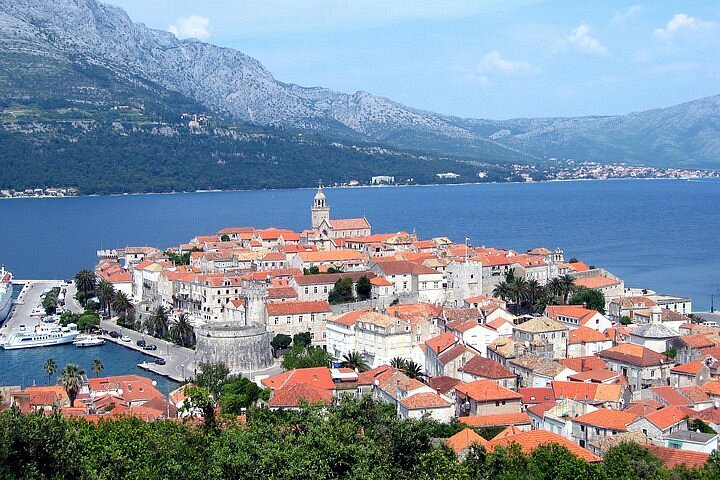
Cavtat’s power lies in repetition. It is not a place one conquers with a morning. It is a place one understands by walking the same harbour edge several times and discovering that the atmosphere is never quite identical. Morning belongs to coffee and marine quiet. Afternoon folds into shade. Evening gives the promenade a richer social texture. This repeatability is why Cavtat often affects foreign visitors more deeply than they expect. The town leaves room for interpretation. It does not overwhelm the eye, so the mind begins to notice finer things: a boat line, a family rhythm, the order of tables, the way swimmers and walkers share the waterfront without much fuss.
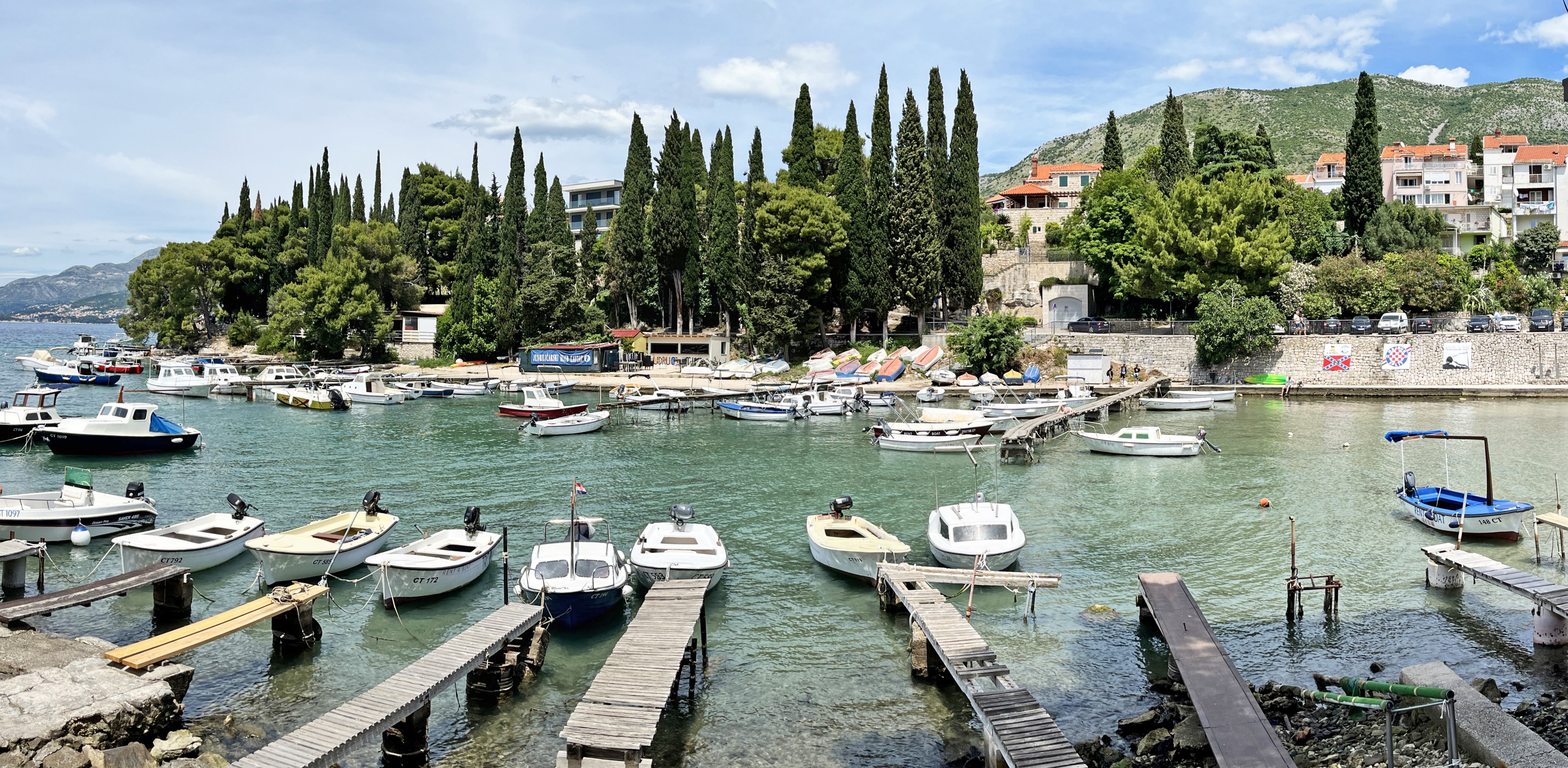

The result is that Cavtat can feel emotionally larger than its size. Because it is close to Dubrovnik but not consumed by Dubrovnik’s intensity, it offers a second speed that many travellers do not realise they need until they have found it. A stay here recalibrates the region. After Cavtat, Dubrovnik can be visited more intelligently. You have already learned something about southern Croatian light, public conduct, café duration, sea adjacency and the value of leaving space in the day. The visitor becomes less reactive and more observant.
A harbor as social grammar
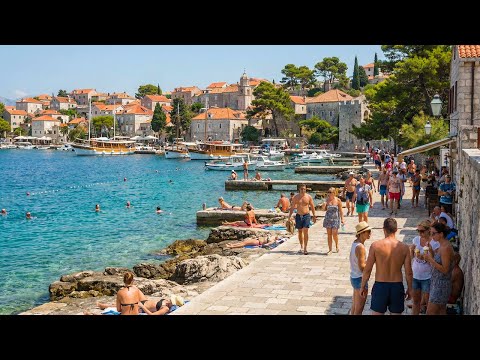
In larger destinations, a waterfront may simply be prime real estate. In Cavtat it functions more like a grammar of social life. You see where people linger, how tables relate to the path, where shade changes behavior, how arrivals by boat affect the town’s tempo, and how the curve of the bay holds all of this together. The harbour is beautiful, of course, but beauty is only the surface benefit. More important is the way it teaches foreigners to read the Croatian coast as inhabited rather than merely admired.

The practical elegance of moving between them
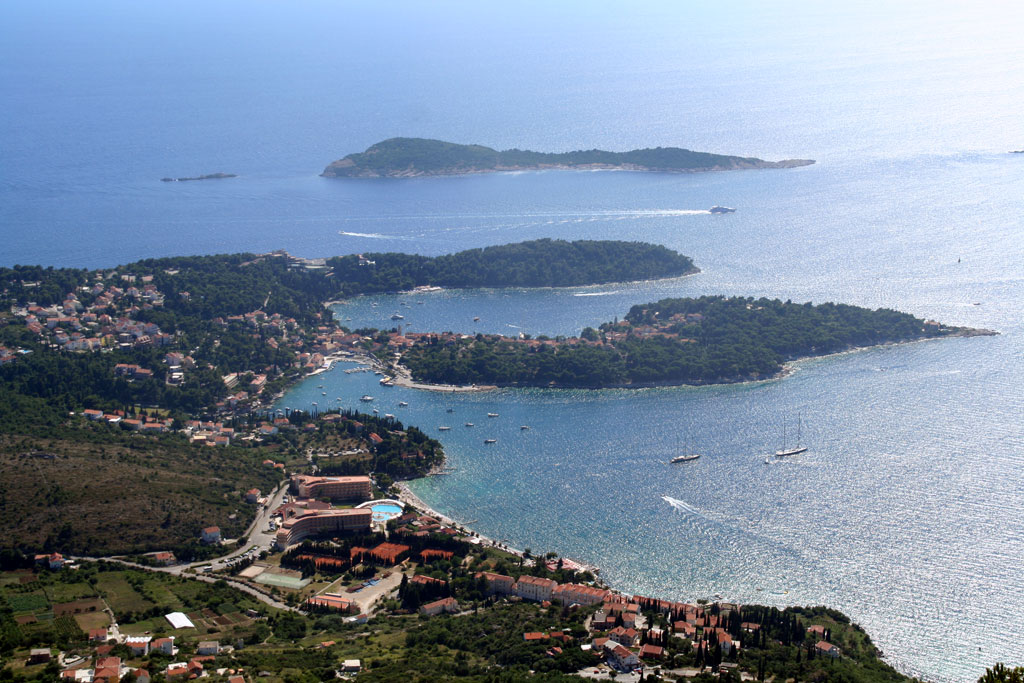
One of the great luxuries of the region is that these two speeds sit so close together. The transfer corridor from airport to Cavtat to Dubrovnik is short enough that the visitor can experience genuine variation without losing days to logistics. This makes the southern Adriatic unusually sophisticated as a first-timer destination. You can arrive, decompress in Cavtat, move into Dubrovnik when ready, and then return to the bay to process what you have seen. Cavtat Guide’s airport transfer guide is useful here because it treats arrival as part of the regional experience rather than an administrative inconvenience. In southern Croatia, thresholds matter. The speed of your first afternoon can influence the quality of your whole stay.
The same is true of accommodation choices. A hotel in Cavtat can act as a buffer, a viewing platform or a marine base depending on what the visitor needs. The perspective offered in Cavtat Guide’s Hotel Croatia review captures this well: from certain terraces, the region begins to read not as a set of destinations but as a geographic conversation between headlands, harbor, airport approach and open sea. That conversation changes how one thinks about day planning. Suddenly the smart move is not to do more but to move more intelligently between registers.
Sea as connector, not divider
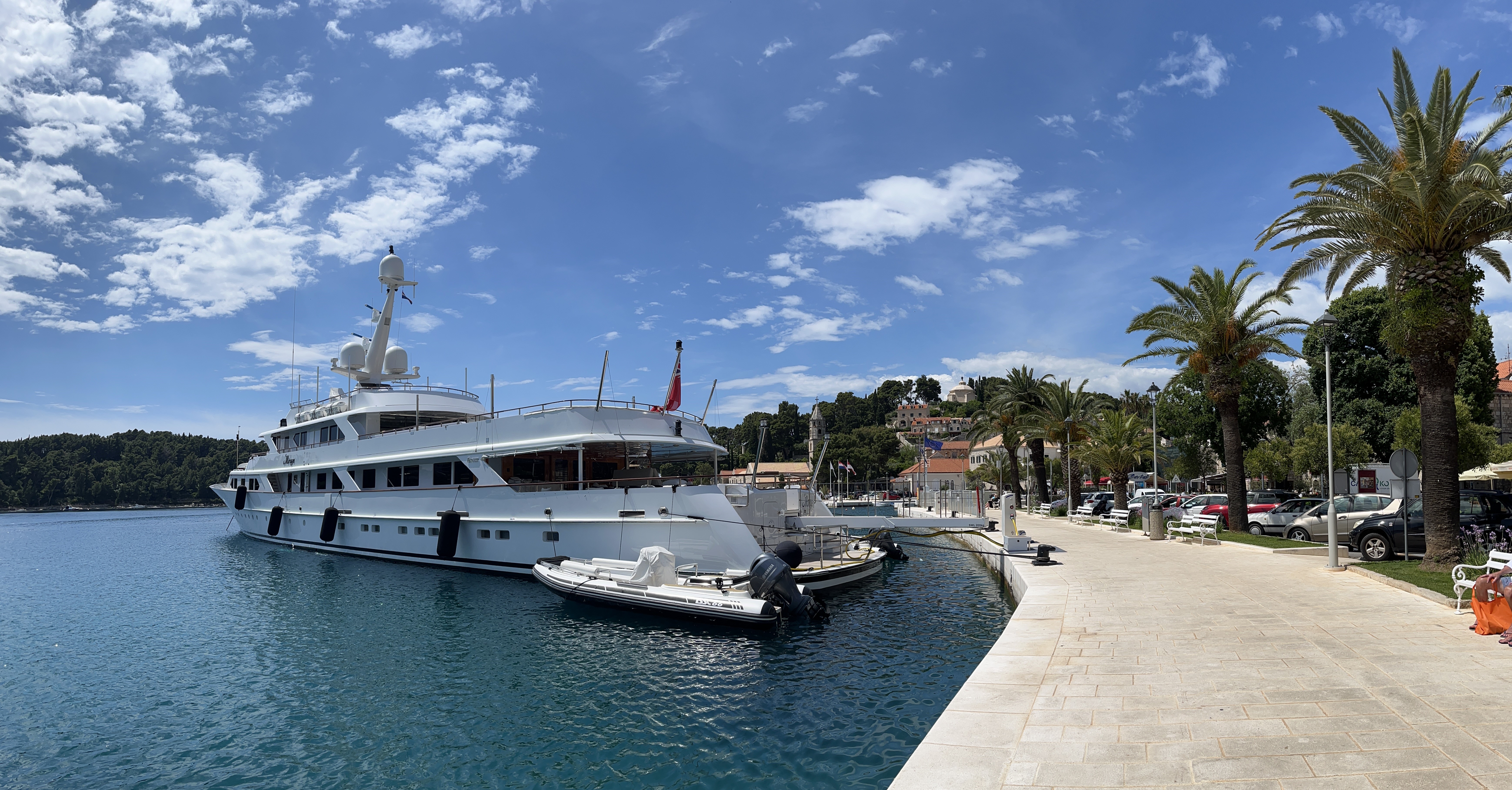
The relationship between Dubrovnik and Cavtat also teaches something larger about Croatia: the sea connects places as much as it separates them. Foreign visitors often look at the Adriatic as pure outlook, as if its main purpose were visual pleasure. But on this coast the sea is itinerary, memory, working surface and orientation system. Excursions from Cavtat, such as the ones explored in the Blue Cave speedboat feature or the Elaphite islands cruise review, make this especially clear. The coast is understood not only by standing on it but by leaving it briefly and looking back. From the water, both Dubrovnik and Cavtat become more legible: one a fortified assertion, the other a sheltered curve.
Even non-specialist boat trips can therefore function as cultural education. They remind the visitor that the Adriatic once sustained political power, trade, fishing habits, island relationships and seasonal routines that are still faintly visible in the present. The southern coast is full of leisure now, but leisure sits on older maritime logic. A foreigner who senses this begins to see Croatia less as a passive destination and more as a sea-facing civilisation.

Food, shade and the middle of the day
The two-speed structure also changes the meaning of meals. In Dubrovnik, lunch can feel like strategic retreat, a necessary pause in a highly charged urban experience. In Cavtat, lunch often becomes part of the town’s slower argument. The meal is not merely recovery. It is one of the things that make the place legible. A waterfront table, a plate of fish, local wine, olive oil and the refusal to rush produce a more revealing contact with Croatia than another hurried landmark circuit. This is why food writing on the region, including Cavtat Guide’s Cavtat dining feature and fish-focused piece, belongs inside serious travel interpretation. The table teaches pace.
A proper coastal meal in southern Croatia is often less about event dining than about calibrated time and setting.

What the two speeds reveal about Croatia
Foreign visitors tend to come away from the southern Adriatic with a more nuanced sense of Croatia precisely because these two speeds coexist so closely. The country begins to look less like a one-note coastal success story and more like a place of internal calibration. It knows ceremony, but it also knows the intelligence of ordinary harbour life. It can present world-class heritage, then quietly remind you that daily grace may matter just as much as historic distinction. Dubrovnik and Cavtat together embody this. One clarifies the splendor of the Croatian coast; the other clarifies why that splendor can still feel inhabited and humane.
That is why the smartest first-time visit is not a battle between the two places but a conversation between them. Spend time in Dubrovnik to understand scale, ambition and the historical seriousness of the Adriatic city. Spend time in Cavtat to understand how the same sea supports a quieter mode of Croatian life: promenading, swimming, talking, eating and watching boats turn the day into something measured. Each place improves the reading of the other.
In the end, the two speeds of the southern Adriatic are not simply tourist options. They are cultural truths. Croatia is both concentrated and expansive, ceremonial and domestic, famous and still locally legible. A foreign visitor who experiences only one speed will enjoy the trip. A visitor who learns both will begin to understand the country. And understanding, on this coast, is what turns admiration into attachment.
How to use these two speeds well
For a first-time visitor, the practical lesson is simple: do not schedule Dubrovnik and Cavtat as if they offered the same emotional yield. Dubrovnik benefits from intention. Choose a time of day, a district, a wall walk, a museum or a harbour route, and let the city gather around that choice. Cavtat benefits from availability. Leave room for a second coffee, a waterfront detour, an hour at the water’s edge, or an unplanned evening circuit of the bay. Foreigners who treat both places as interchangeable postcard territory usually come away with blurred impressions. Those who respect their different tempos tend to remember the region with far greater precision.
This is also why return visits to southern Croatia often feel more rewarding than first trips. The traveler who has once been dazzled by Dubrovnik may return ready to notice balance, silence and routine. The traveler who initially used Cavtat as a base may come back understanding that the town was never merely logistical. It was interpretive. It was teaching a way of seeing. Once that becomes clear, the whole region changes. The sea is no longer just blue; it is connective. The harbor is no longer only pretty; it is social infrastructure. The old city is no longer just impressive; it is a concentrated expression of a wider Adriatic order.

Once foreigners see that, the region becomes easier to trust. They stop chasing volume and begin to value sequence. A harbor morning, a midday retreat, an old-city passage in better light, a meal taken seriously, a boat view back towards the walls: these are not separate pleasures but parts of one southern Adriatic education. Croatia feels richer at that pace because it is.
And that education is precisely what so many travelers fail to expect on first arrival.
Need help choosing the right experience?
Tell us your budget, dates, and travel style, and Cavtat Guide will help you choose the best yacht charter, tour, property option, or local experience.