
First-time luxury yacht clients in Croatia often assume their main task is to find the best boat. In reality, the first task is to understand their own idea of a holiday. The Adriatic offers multiple charter products that can all look persuasive in photographs yet produce radically different weeks in practice. A sleek motor yacht, a modern catamaran, a classic gulet and a sailing yacht may all be entirely credible choices for Croatia. None is universally right. The quality of the charter depends on fit.
This is especially true in Croatia because the country supports several overlapping forms of maritime travel. Some routes are built around historic cities and island culture. Others lean into modern marina life, dining or social energy. Some are best experienced slowly, others gain from flexibility. The yacht should express the route and the travelers, not just the budget bracket. That is what first-time clients most often misunderstand.
The good news is that Croatia is forgiving. Distances are manageable, the fleet is deep, and the country has matured into one of Europe’s most legible charter environments. A first-time luxury client can get it right. But only by asking better questions than length, price and appearance.
Start with the group, not the yacht
The decisive variable is the people on board. A couple celebrating something important may not need the same platform as two families travelling together. A small executive group may care more about privacy and schedule control than about sailing romance. Grandparents and younger children usually alter the answer dramatically. Friends in their thirties may prioritise space and social decks. A yacht chosen without regard to social dynamics quickly reveals its mismatch.
This is why brokers and experienced charter planners repeatedly ask apparently simple questions: who is travelling, what kind of pace do they like, do they imagine dining ashore often, do they enjoy motion, do they want to swim constantly, do they need private cabins of equal standard, and are they attracted to old-world character or contemporary design? Those questions are not administrative. They are the real product brief.
A first-time client is often relieved to discover that luxury is not one thing. It can mean serenity, architecture, speed, intimacy, crew warmth, stable deck life or cultural atmosphere. Croatia can deliver many versions. The art lies in defining which version matters.
| First-time client question | Why it matters | Useful product answer |
|---|---|---|
| Do you want sailing to be central? | It changes the whole emotional character of the week | Choose sailing yachts only if the answer is genuinely yes. |
| How many people are travelling? | Cabin layout and shared space are decisive | Catamarans often excel for mixed groups; motor yachts for privacy-led parties. |
| How much route flexibility matters? | Speed and logistics shape value | Motor yachts lead when time is tight; slower formats reward a calmer map. |
| What do you mean by luxury? | Different yachts express it differently | For some it is space, for others romance, service, discretion or design. |
Understand the four main product families
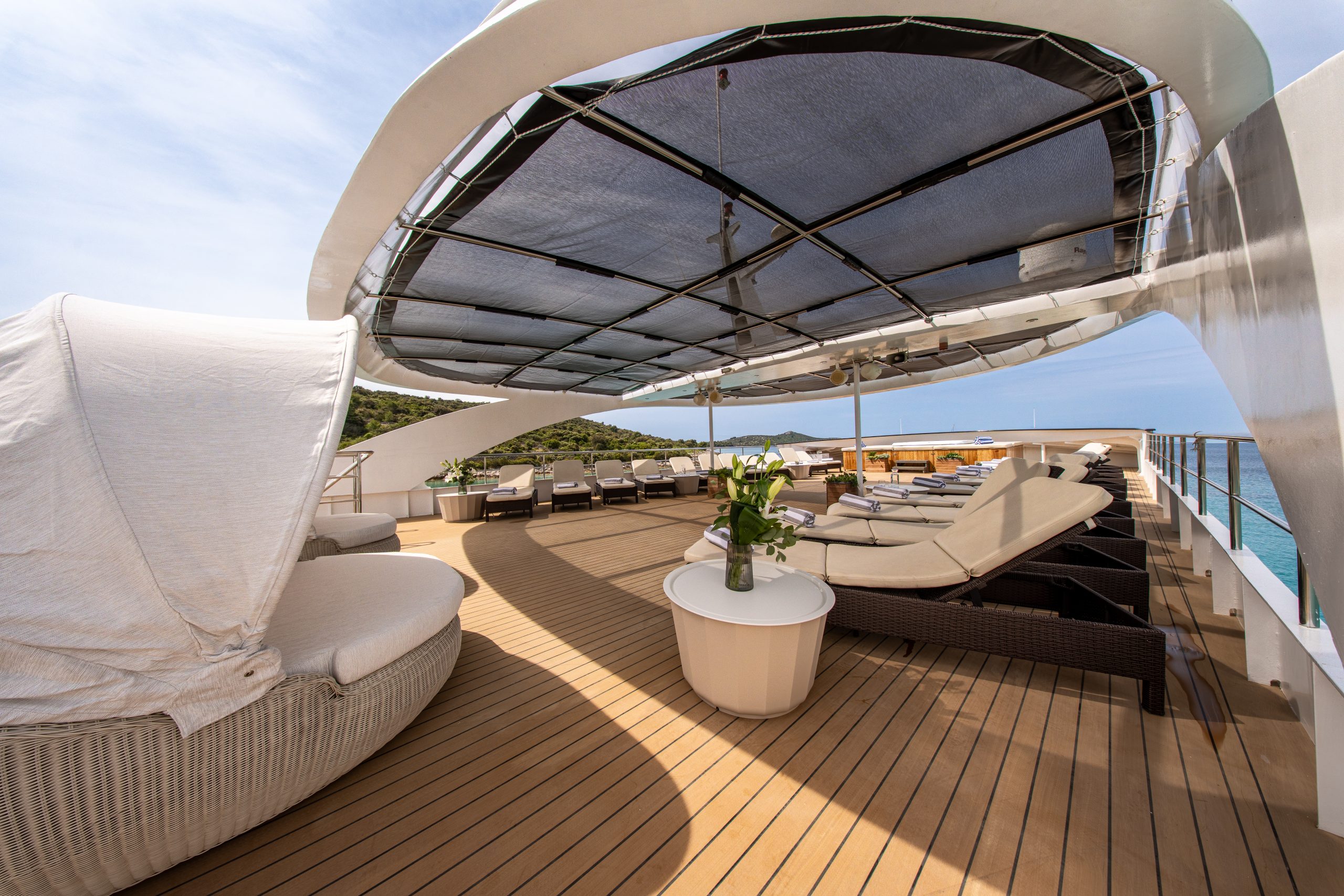
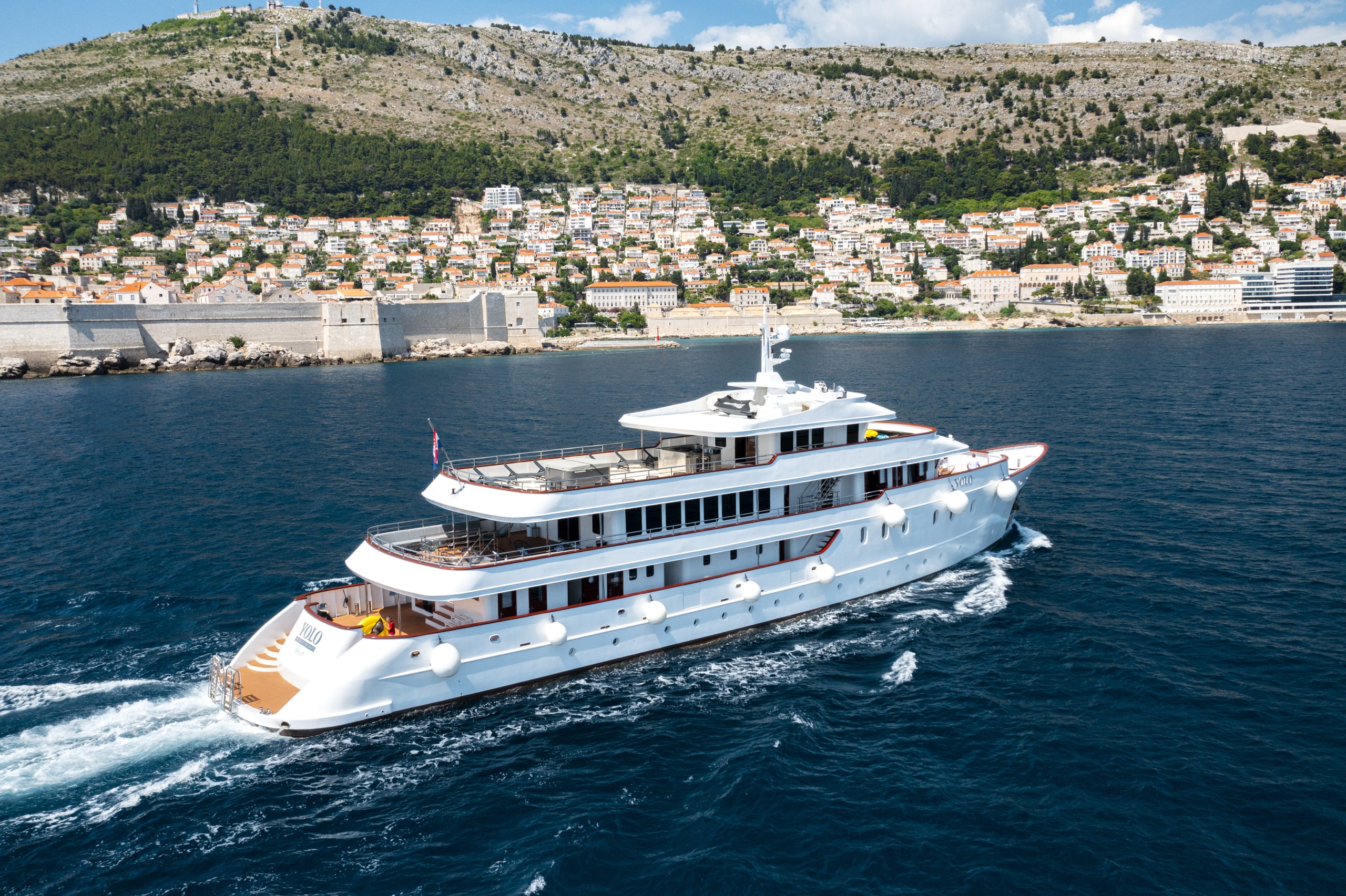
Catamarans are usually the easiest recommendation for mixed groups, families and first-time guests who want comfort, stability and broad social spaces. They feel modern, open and forgiving. Gulets are ideal for travellers who want atmosphere, hospitality and a more storied, Mediterranean mood. Motor yachts suit clients who need flexibility, speed, privacy and a strongly contemporary luxury identity. Sailing yachts reward those who genuinely want sailing to be part of the emotional character of the holiday.
What first-time clients often get wrong
The most common mistake is choosing with the eyes alone. A motor yacht may look the most impressive, yet be unnecessary for a leisurely southern itinerary. A sailing yacht may seem wonderfully romantic, yet feel too compact for a group unused to boating. A catamaran may appear the obvious choice, yet a milestone family celebration could be more memorable on a gulet with stronger communal dining culture. The product should answer the holiday, not the fantasy image in isolation.
This is why editorial guidance can matter as much as brokerage. Clients benefit from language that explains what the yacht means in lived terms, not just what it measures.
Route first, then platform
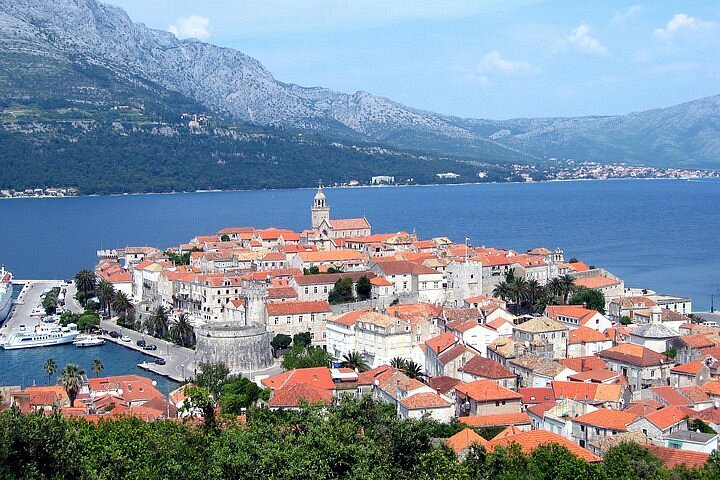
The route helps clarify the yacht choice. A Dubrovnik, Cavtat, Mljet and Korčula pattern invites slower, more atmospheric products and rewards thoughtful pacing. A Split-Hvar-Vis week may support stronger demand for flexibility, restaurant access and social range. Montenegro extensions may place added value on speed or border handling. Once the route’s mood is clear, the yacht category becomes easier to identify.
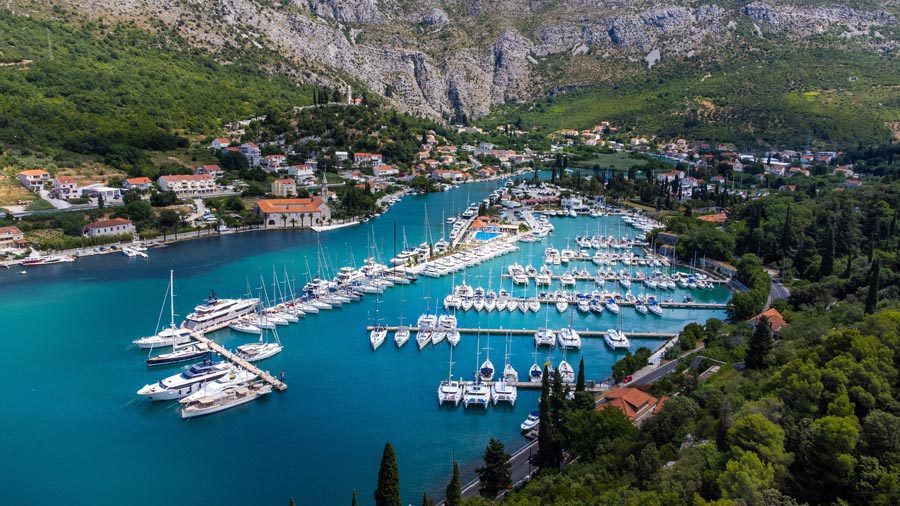
Cavtat is particularly useful for first-time clients in the south because it softens the start of the holiday. It provides a calm entry into the Adriatic, easy airport logic and immediate maritime atmosphere. That alone can influence the yacht decision. Guests who embark in a composed environment often realise they do not need to overbuy speed or spectacle to feel luxurious.
The route should also reflect the number of nights. Many first-time guests overload seven days because they are anxious to justify the expense. In practice, fewer stops often increase value because the yacht becomes part of the experience rather than merely the most expensive transfer of one’s life.

Budget, value and where the money should go
Luxury charter budgets in Croatia can escalate quickly, but more money does not automatically mean a better holiday. Sometimes it means the correct yacht type, a better crew, stronger provisioning or a better-timed season. First-time clients should think in terms of value distribution. Would the week improve more from a faster yacht, a larger deck, better cabin privacy, an extra day, or shoulder-season availability? The answer varies.
Motor yachts often command higher budgets because of capability and service intensity. Catamarans can be excellent value for groups. Gulets can offer strong hospitality-led luxury with distinctive character. Sailing yachts may provide a more intimate premium experience for smaller parties. The point is not to spend less or more in the abstract. It is to spend where the charter will actually be felt.
This is where Croatia remains attractive compared with some Mediterranean peers. It still allows thoughtful clients to buy genuine quality without necessarily crossing into absurdity, especially when route and yacht are matched intelligently.

What to ask before you book
First-time clients should ask what kind of days the yacht creates. How long are the likely sea legs? Where will the group eat most often? How equal are the cabins? What happens if weather changes? How much of the holiday is likely to be at anchor versus marina based? Is this a yacht that rewards social deck life, sailing engagement, or urban-harbour arrivals? These are better questions than simply asking what toys are included.
They should also ask how the charter begins and ends. Embarkation stress, airport transfers, first-night berth choices and the final evening all shape memory. In Croatia, these details are often the difference between a merely successful charter and one that converts a first-time client into a repeat one.
The best first booking does not attempt to prove sophistication. It buys the right amount of complexity and no more.
Seasonality, timing and why the month changes the product
Croatia’s charter season also shapes how this product should be understood. June and September often flatter thoughtful travelers most because the water is warm, the service culture is fully awake and the coastline feels more breathable. July and August bring maximum social energy and the widest sense of the charter market as a summer stage, but they also demand more planning discipline. For the first-time yacht-selection process, seasonality changes not only price and availability but mood. The same boat can feel serene in late June and far more performative in mid-August, not because the product changed, but because the Adriatic did. Sophisticated clients recognise this and book accordingly.
Shoulder season is particularly interesting because it reveals whether the yacht product has real integrity. When the heat is softer and the coast less compressed, the focus falls more clearly on layout, service and route intelligence. Boats that rely too heavily on the noise of peak summer are less impressive then. Boats with genuine comfort, good crews and well-proportioned itineraries often become even better. This is one reason repeat Adriatic clients so frequently migrate towards June and September after an initial peak-season experience.
Booking windows matter too. The strongest boats, especially those with good crews and a reputation for being well managed, tend to be secured earlier than first-time clients expect. That is true for catamarans, motor yachts, gulets and specialist family or privacy-led products alike. The market is mature enough that quality is usually recognised well in advance. In editorial terms, The key point is a charter should be treated as a designed travel experience, not a last-minute commodity. The best version of the first-time yacht-selection process in Croatia is usually the version that was planned with foresight rather than assembled under pressure.
Common mistakes and the difference between visible and lived luxury
One of the most common mistakes clients make with the first-time yacht-selection process is assuming that visible luxury automatically produces lived luxury. In Croatia, the lived version is built from finer decisions: how long the sea legs feel, whether lunch is being taken in the right place, how sensibly harbour exposure is managed, whether the crew understand when to serve and when to disappear, and whether the route leaves room for mood rather than only movement. These choices may seem secondary beside the yacht’s appearance, but in practice they decide the quality of the week.
Another error lies in overprogramming. The Adriatic is seductive because there are so many plausible names to include: Dubrovnik, Cavtat, Hvar, Korčula, Mljet, Montenegro, Split and many smaller islands besides. Yet luxury rarely improves through accumulation alone. A charter that tries to prove its worth through relentless movement usually diminishes the yacht as a place to live. The better strategy is to allow one or two strong notes per day, then leave enough unscheduled space for water, conversation, reading, lunch and the simple pleasure of being at sea.
That is also why editorial framing matters. Travelers often book more intelligently when the product is described in human rather than technical terms. They need to know not simply what the boat has, but how the week will feel. The first-time yacht-selection process should be understood through lived rhythm: mornings, transitions, swim stops, dining, light, privacy, motion and the emotional temperature of arrival. That is how serious travel decisions are made.

Market context: why Croatia keeps sharpening the category
The broader Adriatic market gives additional context to the first-time yacht-selection process. Croatia has become one of Europe’s most legible charter destinations not only because it is beautiful, but because it supports multiple levels of sophistication at once. There are straightforward sailing weeks, heavily social routes, highly private itineraries, family-led charters, design-focused catamaran trips, heritage-driven gulet holidays and modern motor-yacht programs. This breadth makes Croatia unusually useful for comparison. It allows travelers to refine taste, not just consume scenery.
For that reason, the country increasingly attracts guests who are not merely renting a boat for the first time, but actively learning what kind of maritime traveler they are. Some discover that they value the sea itself; others discover that they value privacy, hosting, architecture, gastronomy or the elasticity of route. The first-time yacht-selection process sits within that wider education. It is not a standalone product category floating above context. It is part of a mature ecosystem in which Cavtat, Dubrovnik, Split, Hvar, Korčula and Montenegro each contribute different tones to the market.
This is also why the best charter content should avoid brochure language. The Croatian yacht landscape is now too developed, and its clients too informed, for empty superlatives to be useful. What serious travelers want is interpretation. They want to know what a yacht product represents, what kind of people tend to love it, where it works best, and how it speaks to the Adriatic itself. Any honest analysis of the first-time yacht-selection process has to start there.
Service, dining and the texture of the week
No serious Adriatic charter analysis is complete without acknowledging how strongly food, service and shore texture influence the perceived quality of the yacht itself. Guests do not separate these things as neatly as the trade sometimes does. They remember whether breakfast felt leisurely, whether lunch was taken in a bay that justified the extra hour at anchor, whether the crew read their appetite for privacy correctly, and whether evenings ashore were chosen with taste rather than habit. In Croatia this matters especially because harbor towns, konobas, waterfront restaurants and village promenades are not decorative extras. They are part of the charter product.
For the first-time yacht-selection process, the best results usually come from moderation and judgement. Not every lunch needs to be ashore. Not every dinner should happen on board. Not every swim stop deserves equal time. The crew and route must decide where the yacht should protect the guests from the coast and where it should introduce them to it. That calibration is the hallmark of maturity. A week that gets it right feels richer than one that simply offers more options.
This is also why repeat travelers often talk less about the yacht’s specifications than about the tone of the days: a perfectly judged lunch, a quiet arrival, a table set just so, a crew that anticipated the weather and the mood simultaneously. In other words, the yacht becomes excellent when the broader Adriatic experience around it has been curated intelligently. The right first yacht in Croatia is the one that makes the Adriatic feel natural to you, not the one that tries hardest to impress you before you arrive.
Conclusion
Choosing the right yacht for a Croatia charter begins with honesty. What kind of week do you want, who is joining you, how much movement feels pleasurable, and what does luxury mean to you in practice? Once those questions are answered, the field becomes clearer. Catamaran, gulet, motor yacht or sailing yacht: each can be exactly right for a first-time client, but only under the right brief.
For readers of Cavtat Guide, the Adriatic should be approached as a place of product intelligence as well as visual appeal. Croatia’s charter market is mature enough to reward careful decisions, and the southern corridor through Cavtat and Dubrovnik remains especially good for elegant, first-time entry into yachting. Get the choice right and the yacht will feel inevitable. That is the sign of a good product decision.
Need help choosing the right experience?
Tell us your budget, dates, and travel style, and Cavtat Guide will help you choose the best yacht charter, tour, property option, or local experience.