

Cavtat’s Gastronomic Citadel: The Unlisted Republic of Taste
A long-form 2026 dining guide to the town’s most persuasive tables: Michelin-recognised Bugenvila, Tiha Bay’s Ludo More, Ankora’s all-day intelligence, and St. Pietro’s island-access lunch logic.
The tender idles just beyond the anchor wash. Its hull looks local, almost anonymous, the sort of working boat you would ignore on another stretch of Adriatic quay. But the passenger knows exactly where he is going. He bypasses the louder harbourfront tables, the laminated menus, the multilingual urgency, and the sense that the evening is being sold a little too hard. He is here for bougainvillea, for fish that tastes disciplined, for proper coffee, for one bay that handles seafood with unusual confidence, and for the sort of island lunch that begins with a transfer rather than a parking space. He is here because Cavtat, quietly and without self-congratulation, has become one of the most persuasive dining bases on the southern Adriatic.
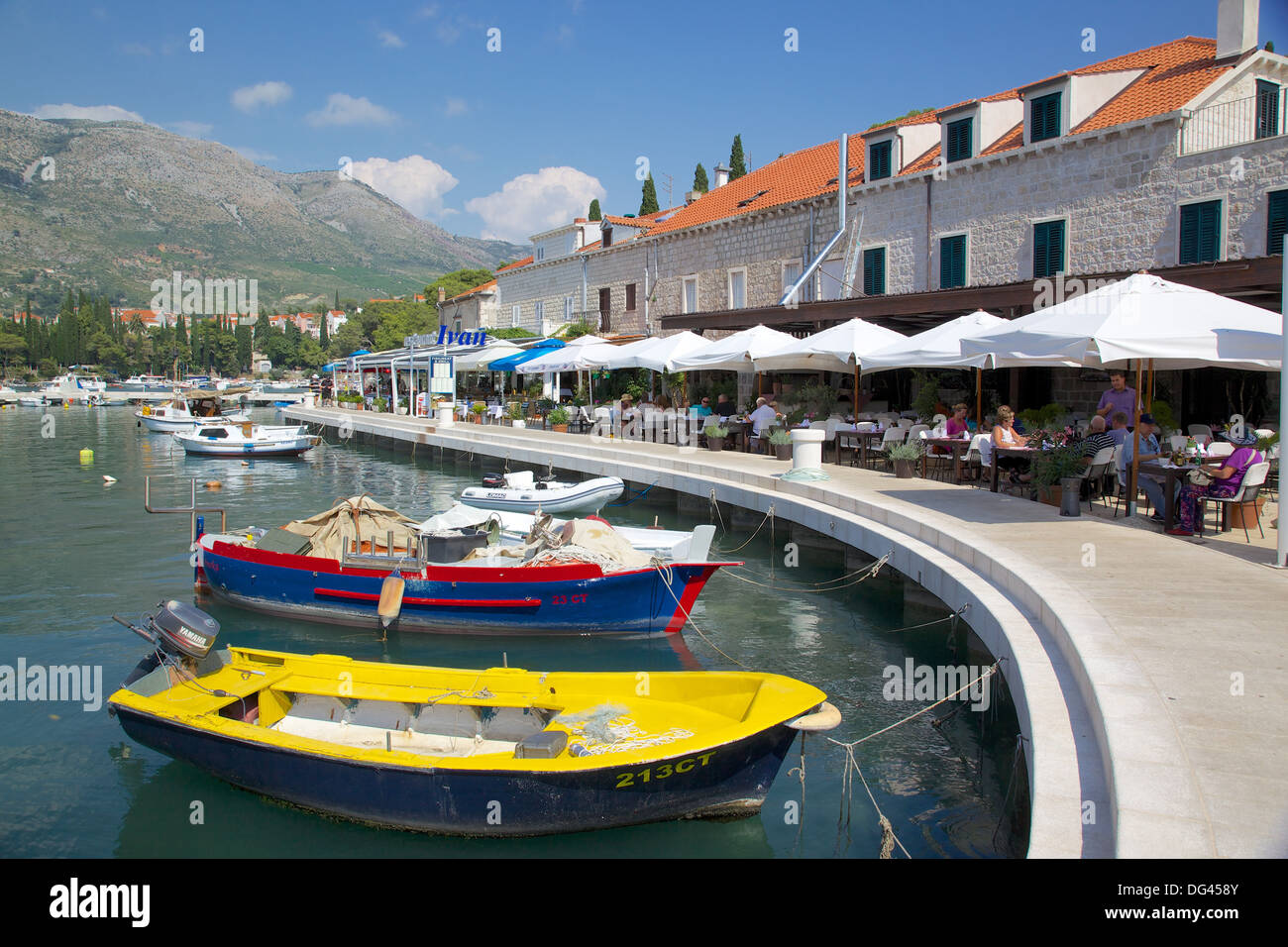
That is the town’s real trick in 2026. From the water it still looks modest. The harbour remains compact, the promenade still human in scale, and the old centre still gentle enough to encourage a second glass and a slower opinion. Yet within that apparently small frame, Cavtat has assembled something more serious than many first-time visitors expect: not merely a row of attractive terraces, but a dining culture with hierarchy, usefulness, and enough stylistic range to make food here feel like a decision rather than an afterthought.
To call this a rising destination slightly misses the point. Cavtat is not newly invented. It is being re-read. The harbour that now receives yacht tenders and sunset aperitifs has long been a maritime threshold. What has changed is that the food has caught up with the setting. What used to be a beautiful place to stay near Dubrovnik is increasingly a place travellers choose because they want to eat well, sleep better, and escape the compressed intensity of the city without lowering their standards at the table.
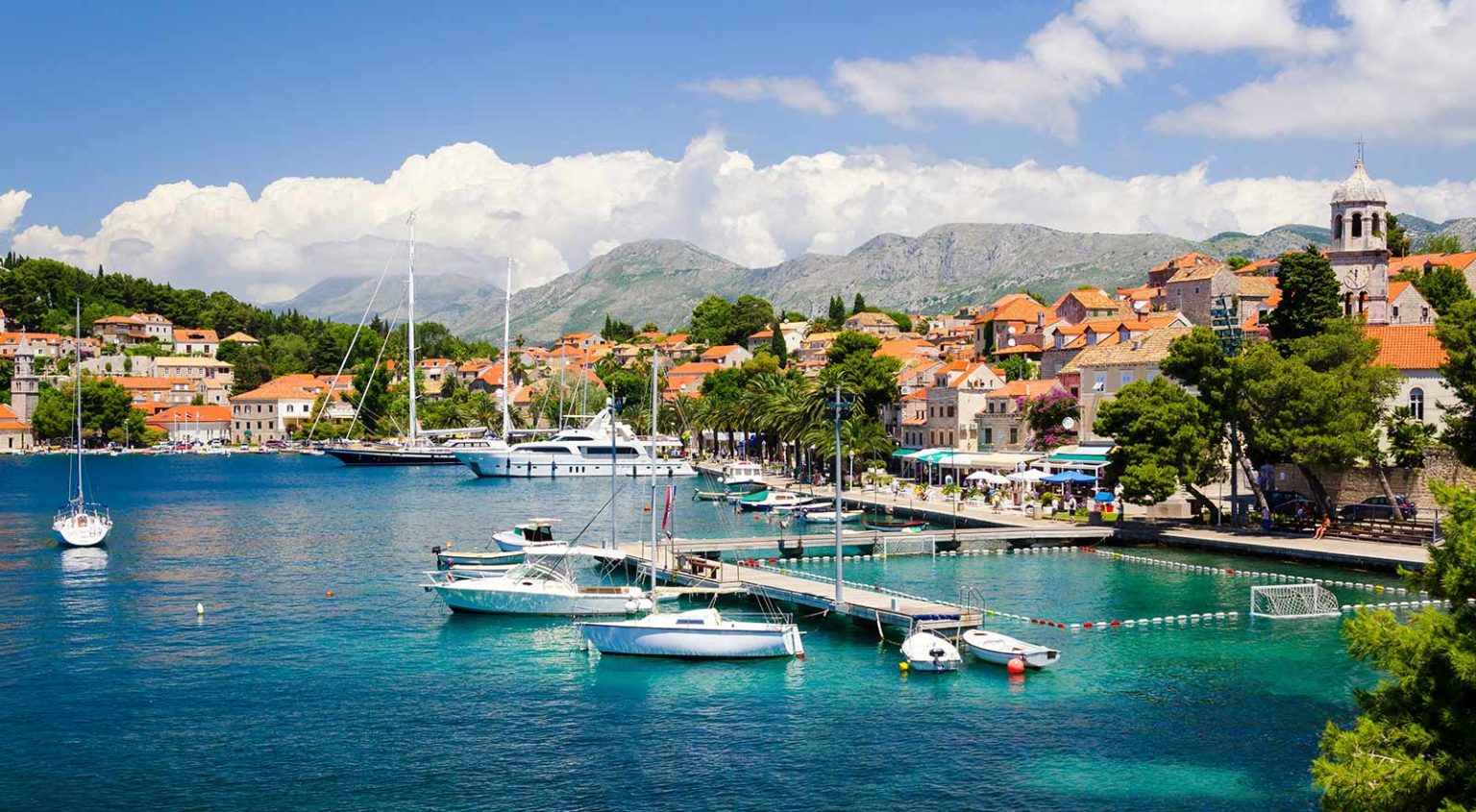
That broader re-evaluation has started to show up in travel recognition too. But external praise only confirms what repeat visitors had already begun to understand. Cavtat offers scenic calm, practical airport logic, and relief from Dubrovnik’s pressure without sacrificing culinary seriousness. The result is a coastal base that feels less like a compromise and more like a correction.
How to use this guide
Bugenvila is your one serious harbour dinner. Ludo More is your seafood-and-sunset move in Tiha Bay. Ankora is your breakfast, coffee, and easy repeat address. St. Pietro is the island-lunch chapter when you want the day to pivot around the meal.
I. Bugenvila: the harbour table that gave Cavtat confidence
Bugenvila is the restaurant that changed the town’s self-belief. That matters, because every serious dining destination eventually needs one address that proves the place can do more than trade on views. Bugenvila did that for Cavtat. It gave the harbour an ambitious table without making the room feel alien to the town around it.
The terrace remains one of the most persuasive acts of atmospheric control on the Croatian coast: bougainvillea, harbour sightlines, evening air, and a room that feels integrated into the life of Cavtat rather than detached from it. Too many coastal fine-dining addresses mistake separation for sophistication. Bugenvila does not. It lets the town remain visible. That decision is one of the reasons it works so well. The restaurant is not trying to deny the harbour. It is refining it.
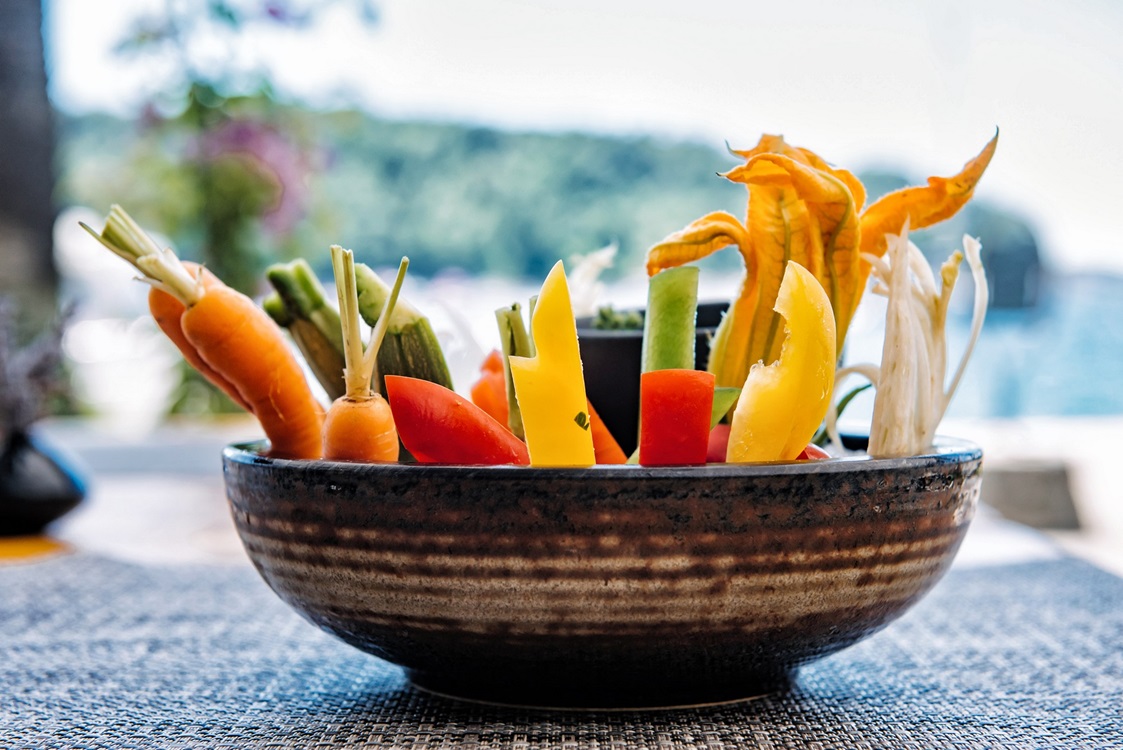
The kitchen’s appeal lies less in loud invention than in discipline. Seafood, plating, pacing, and service are handled with the kind of composure that suits Cavtat’s own personality. This is not a room that benefits from culinary overstatement. It benefits from exactness. If your stay includes one ambitious dinner and you want the harbour itself to feel like part of the argument, Bugenvila is still the reservation with the clearest claim on your evening.
By day, the address can read as elegant and relaxed. By night, it tightens into something more exact. That ability to shift register is a large part of its appeal. It does not need to force luxury. The harbour is already doing much of the atmospheric work.
Cavtat Guide dining offer
Travellers booking through Cavtat Guide or staying with selected partner hosts may receive priority reservation assistance, preferred seating requests, or a small complimentary gesture at selected partner restaurants, depending on season and availability.
Ask before booking so the request can be placed properly rather than improvised on arrival.
II. Ankora: why coffee mattered more than it sounds
Ankora matters for a reason that can sound small until you spend enough mornings in Cavtat to feel it properly: it helped improve the town’s daytime standards. It is not only a waterfront bistro. It is part of the shift that made breakfast, coffee, and casual repeat visits feel more contemporary and more deliberate. Once a coastal destination starts taking daytime quality seriously, the whole hospitality culture tends to sharpen around it.
That is why Ankora should not be read only as a simple brunch stop. It is an all-day intelligence point. Mornings feel clearer because it exists. Late afternoons work better because there is somewhere easy to sit without feeling trapped in a full formal meal. Even a casual glass of wine feels more coherent when the room understands how to operate before and after dinner hours.

In smaller coastal towns, the difference between a decent stay and a very satisfying one often lies in whether there is one address you can use repeatedly without boredom or compromise. Ankora is one of those addresses. It works for breakfast, coffee, a pause between swims, a late light lunch, or a low-pressure start to the evening. That versatility is a bigger luxury than many visitors realise.
If Bugenvila is where you mark the night, Ankora is where you recover the day. It helps hold the town together.
Best use of Ankora
Breakfast, specialty coffee, a calm late-morning table, or the kind of easy waterfront pause that keeps the day from becoming overplanned.
Who it suits
Short-break couples, solo travellers, digital workers, and anyone who cares about the tone of the morning as much as the spectacle of dinner.
III. Ludo More: Tiha Bay and the seafood chapter with more edge
Ludo More sits in Tiha Bay rather than on the central harbour stage, and that positional change matters immediately. The room feels slightly less exposed to promenade theatre and slightly more committed to its own culinary identity. That alone gives it a different kind of credibility. It is not trying to out-harbour the harbour. It is using another part of Cavtat to create another dining mood.
This matters because a serious town cannot live on one atmosphere alone. It needs more than one successful evening mood. Ludo More gives Cavtat that range. It offers a seafood-forward identity with a little more edge and a little less romance. Sunset works especially well here because the bay softens the whole dining experience. The room does not have to compete with the central waterfront’s choreography. It can concentrate on its own tone.
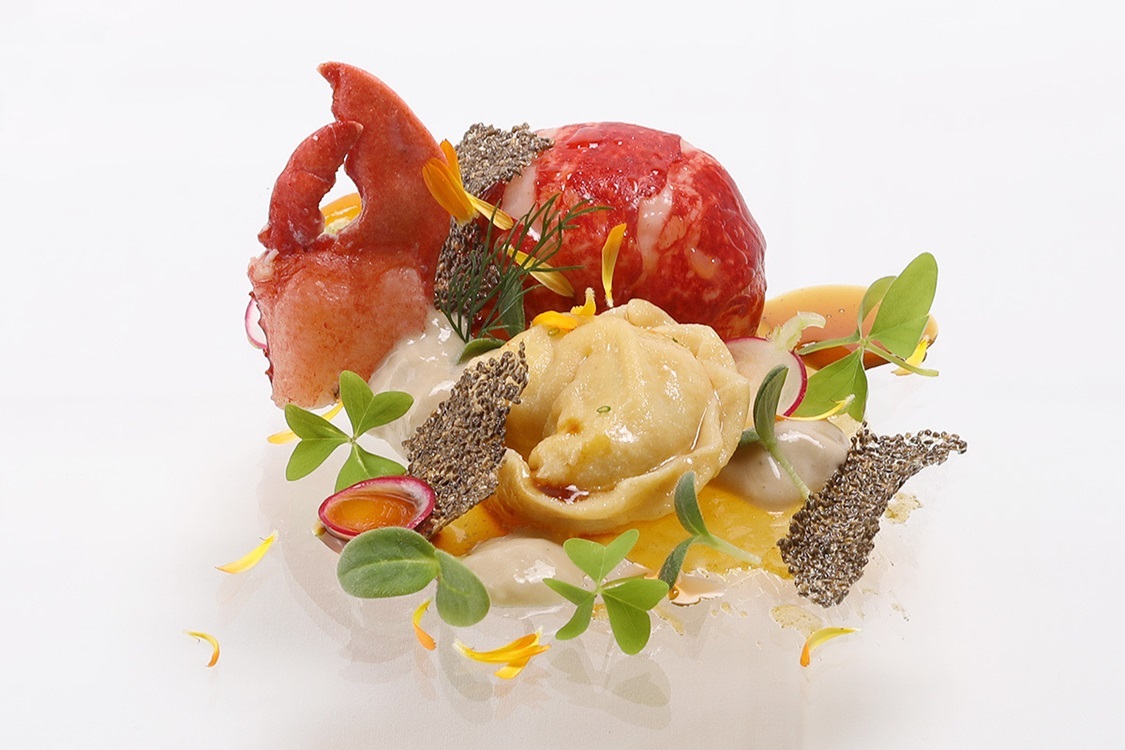
The great virtue of Ludo More is that it expands Cavtat’s dining geography. It proves that the town’s food culture no longer lives only on the prettiest quay. It has started to branch into other bays, other textures, and other kinds of culinary confidence. That is usually the sign that a place is becoming genuinely persuasive rather than merely fashionable.
For travellers who want a seafood dinner with more contemporary intent and a slightly less obvious setting, this is often the most intelligent alternative to the main harbour terraces.
Partner dining note
At selected times of year, Cavtat Guide guests may receive welcome aperitif perks, dessert upgrades, or help securing better dining hours at partner addresses.
These are hospitality offers, not blanket public discounts, so always request through the guide or your host before the meal.
IV. St. Pietro: when lunch begins with a boat transfer
St. Pietro is the easiest way to explain the new Cavtat to someone who still imagines it as a day-trip afterthought. The appeal is simple: remove the road, improve the appetite. An island-access lunch changes the psychology of the day before a menu has even been opened. You are no longer choosing between terraces. You are choosing between mainland and island, between ordinary approach and transfer approach, between a meal and a chapter of the day built around that meal.
This is why St. Pietro works best when you stop treating it like a normal reservation. It is not simply somewhere to eat. It is somewhere to move toward. The transfer itself becomes part of the appetite. A table there makes the day feel edited. It creates just enough distance from the harbour to turn lunch into its own event.
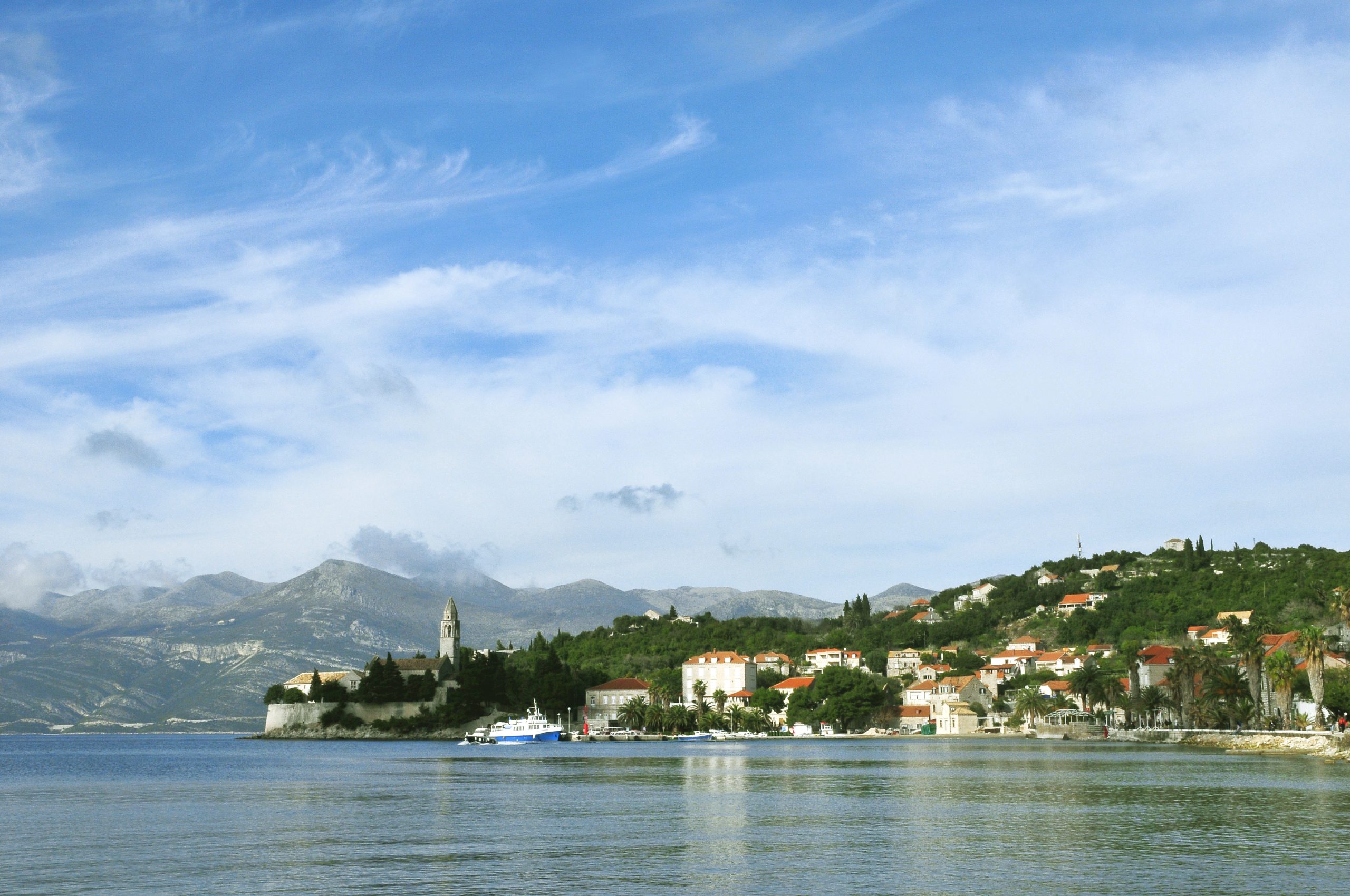
This makes St. Pietro particularly attractive for long lunches, tender days, yacht-based itineraries, or any stay in which one afternoon should feel more curated than the rest. Cavtat has many beautiful perspectives. St. Pietro is one of the few that feels strategically beautiful. It is less about spontaneity and more about designed pleasure.
Best use of St. Pietro
Book it when you want the day to pivot around the lunch rather than simply contain it. It works best as an island chapter, not as a quick logistical stop between other plans.
V. The supporting republic: why the town works beyond its headline tables
No gastronomic citadel survives on four addresses alone. What makes Cavtat convincing is the supporting web around them: the waterfront places that absorb breakfasts, casual lunches, simple fish dinners, repeated glasses of wine, and those unplanned evenings when no one wants a “big booking” but everyone still wants the town to taste good.
This is where the town’s real maturity shows. A destination becomes truly liveable only when its second and third choices are still good enough to protect the mood of the trip. Cavtat is now there. You can have one harbour-signature dinner, one Tiha Bay seafood evening, one island lunch, and then drift into a perfectly good promenade meal without feeling that standards have collapsed.
That middle tier matters more than people admit. It is what separates a place with one or two famous rooms from a place that can actually sustain a week. Cavtat’s best tables may define it. Its easier ones are what make it genuinely useful.
| Address | What it does best | Best use |
|---|---|---|
| Bugenvila | Refined harbour dining with serious evening pull | One definitive dinner in town |
| Ankora | Breakfast, coffee, easy repeat visits, all-day usefulness | Mornings, lighter lunches, sunset pause |
| Ludo More | Seafood with more contemporary ambition in Tiha Bay | Sunset dinner, quieter alternative to the main quay |
| St. Pietro | Island-access dining and slower lunch logic | Tender day, celebratory lunch, designed afternoon |
VI. Why Cavtat now makes more sense than many larger dining scenes
The most interesting thing about Cavtat’s dining rise is not glamour. It is proportion. The town has not tried to become a louder or more inflated version of itself. Its best restaurants work because they stay within the town’s own scale of seriousness. They refine Cavtat rather than forcing it to mimic another place’s culinary drama.
This suits the destination perfectly. Cavtat’s real strength has never been intensity for its own sake. It is balance: enough beauty, enough calm, enough service, enough sea access, enough distance from Dubrovnik to breathe, but not so much distance that the town feels detached from the wider Riviera. The food now mirrors that same balance. The strongest tables are not performing imported luxury. They are making southern Dalmatia feel more exact.
That is why Cavtat works especially well for travellers who care about food but do not want every meal to feel over-curated. You can dine seriously here, but you can also read the larger region through the town: the Konavle hinterland, the fish logic of the coast, the island world just offshore, and the pressure-release function Cavtat performs against Dubrovnik’s denser tourism theatre.
VII. How to build a proper food stay in town
The smartest version of Cavtat is not to book every meal as if you were constructing a tasting itinerary. The town rewards rhythm more than over-programming. A strong stay usually looks something like this: Ankora for the first morning, Bugenvila for the first serious dinner, one simple harbourfront lunch left intentionally flexible, Ludo More once the harbour has been understood and you want another bay and another mood, and St. Pietro only when the day has enough space to make the transfer part of the pleasure.
This sequence works because it matches the town’s own structure. Cavtat is at its best when the stay feels lighter than the satisfaction it delivers. The danger is not under-booking. The danger is trying to turn every meal into a headline. Cavtat is more elegant than that. It asks for one or two marked meals and several easier ones that let the harbour and promenade do their quiet work.
Best dinner strategy
Book one big harbour night, one seafood bay night, and leave at least one evening free for mood-based decisions on the promenade.
Best lunch strategy
Keep lunch lighter unless you are doing the island chapter. Cavtat works best when lunch supports the day and dinner defines it.
Coda
On the final evening, the harbour still looks deceptively simple. Boats sway. Glasses catch the last light. The promenade performs its old trick of making everyone feel slightly better dressed and slightly calmer than they were an hour earlier. But the real shift is less visible than that. Cavtat now has the restaurants to justify the mood.
You do not come here for scenery alone. You come because the town has learned how to turn beauty into appetite — and appetite into memory. That is what the strongest coastal dining destinations do. They make the landscape edible without reducing it to cliché.
Cavtat’s great achievement is not that it copied a larger scene. It is that it developed its own scale of seriousness. A harbour dinner with real confidence. A bay-side seafood room with contemporary intent. A coffee culture that now feels native rather than imported. An island lunch that begins with a transfer. Together they form not a dining strip, but a republic of taste small enough to miss if you are careless and strong enough to remember if you are not.
Need help choosing the right restaurant or experience?
Tell Cavtat Guide your dates, budget, and dining style, and we will help you choose the best tables, offers, yacht lunch stops, and local experiences for your stay.