Updated for 2026
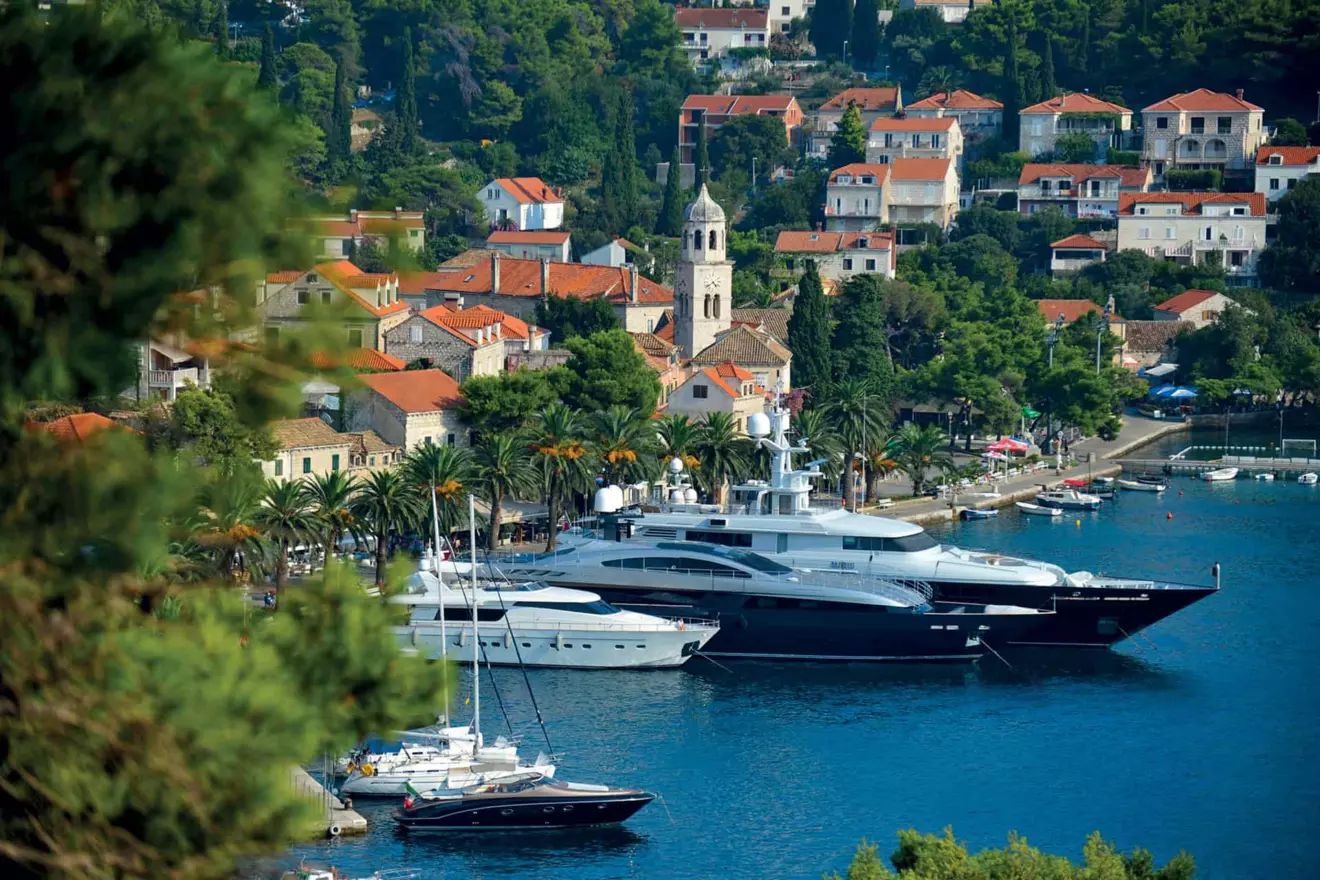
Cavtat Has Become the Dubrovnik Riviera’s Most Compelling Dining Base not because it tries to outshine Dubrovnik, but because Cavtat handles one of the Riviera’s most valuable luxuries well: time. Strong restaurants sit within shorter distances, calmer days and a harbour where dinner can remain the focus rather than another logistical task.
Best Michelin signal: Bugenvila
Best all-day modern base: Ankora
Best quieter seafood logic: Tiha Restaurant & Bar
Best classic harbour institutions: Leut and Dalmacija
Main reason Cavtat works: it gives the Dubrovnik Riviera better pacing
Plenty of Adriatic towns are attractive. Cavtat’s advantage is its scale. It is compact enough to walk between different parts of the dining scene, yet varied enough to support several nights without relying on one restaurant.
Cavtat’s restaurants have also simply improved, but the bigger shift is a broader dining rhythm built around them: good coffee, an unhurried lunch, a pre-dinner walk, an easy return from Dubrovnik. In luxury travel, comfort is often less about excess than sequencing a lesson Cavtat has absorbed.
I. The Michelin signal — Bugenvila
Few restaurants have done more to define Cavtat’s upper dining tier than Bugenvila. The room sits on the promenade but remains distinct from the bustle around it. You are still dining beside the harbour, but in a setting where the food and service take precedence over the view.
The Michelin recognition gives Cavtat a clear fine-dining reference point. Bugenvila shows that a waterfront restaurant can pursue precision without relying on theatrical presentation or excessive formality. Its strength is restraint: seafood is treated as a serious product, while the setting provides enough atmosphere without overwhelming the meal.
That makes Bugenvila particularly well suited to Cavtat. Dubrovnik can carry more spectacle because the city itself provides it. Cavtat benefits from a quieter approach, and Bugenvila fits that character.

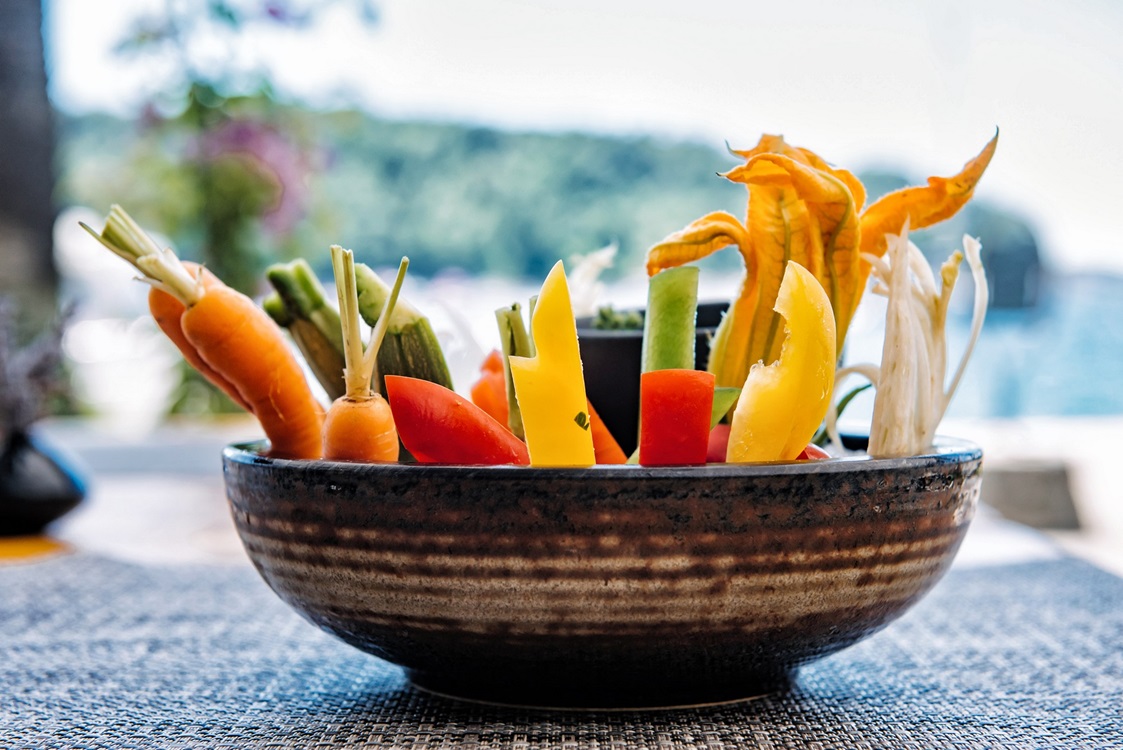
The restaurant remains one of the strongest choices when dinner is central to the trip. It is also a useful indicator of how far Cavtat’s dining scene has developed beyond the traditional harbour restaurant.

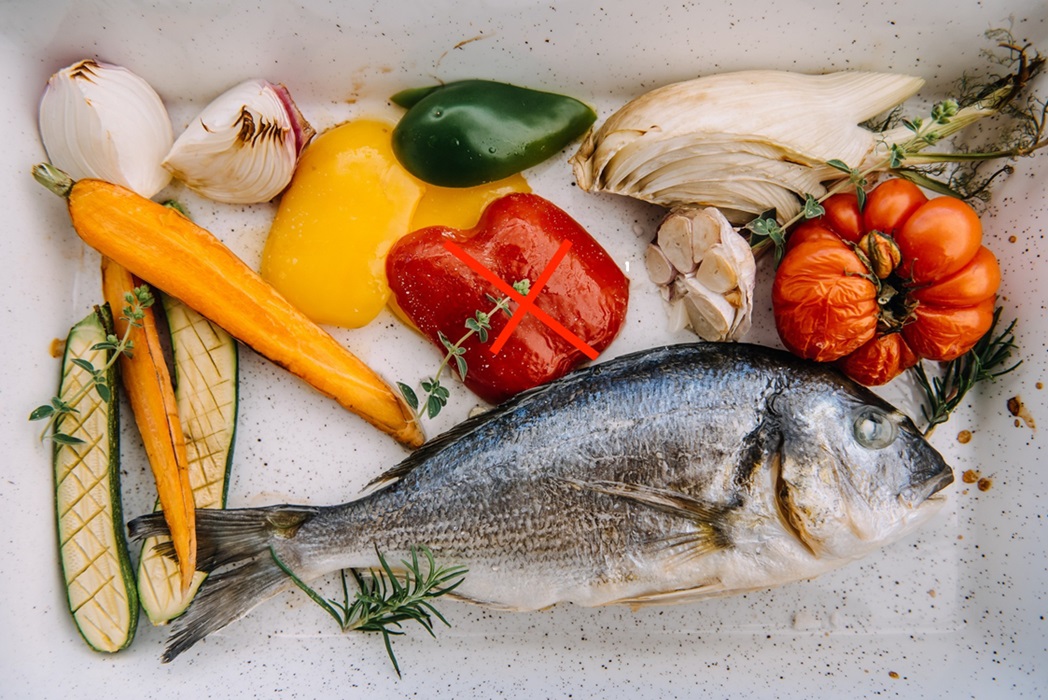

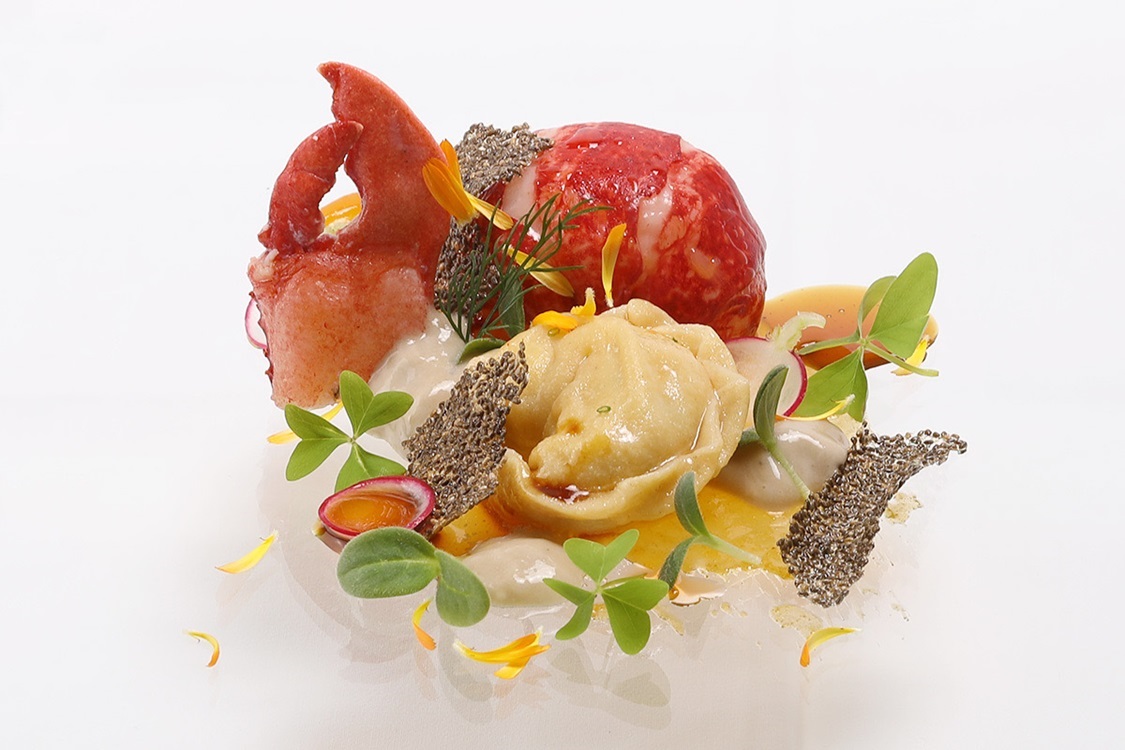
To dine in Cavtat is to participate in a quieter economy of taste: less spectacle than Dubrovnik, more signal.
II. The harbour standard has risen
Cavtat’s dining scene is stronger because it is not dependent on a single high-end address. Traditional waterfront restaurants such as Leut and Dalmacija continue to anchor the promenade, while Restaurant Ivan, Dolium, Kolona, and Toranj provide further options across different styles and price points.
That range is useful for anyone staying several nights. A traveller may want an ambitious dinner one evening, classic seafood the next and something more relaxed after that. Cavtat can accommodate those changes without requiring a major journey between restaurants.

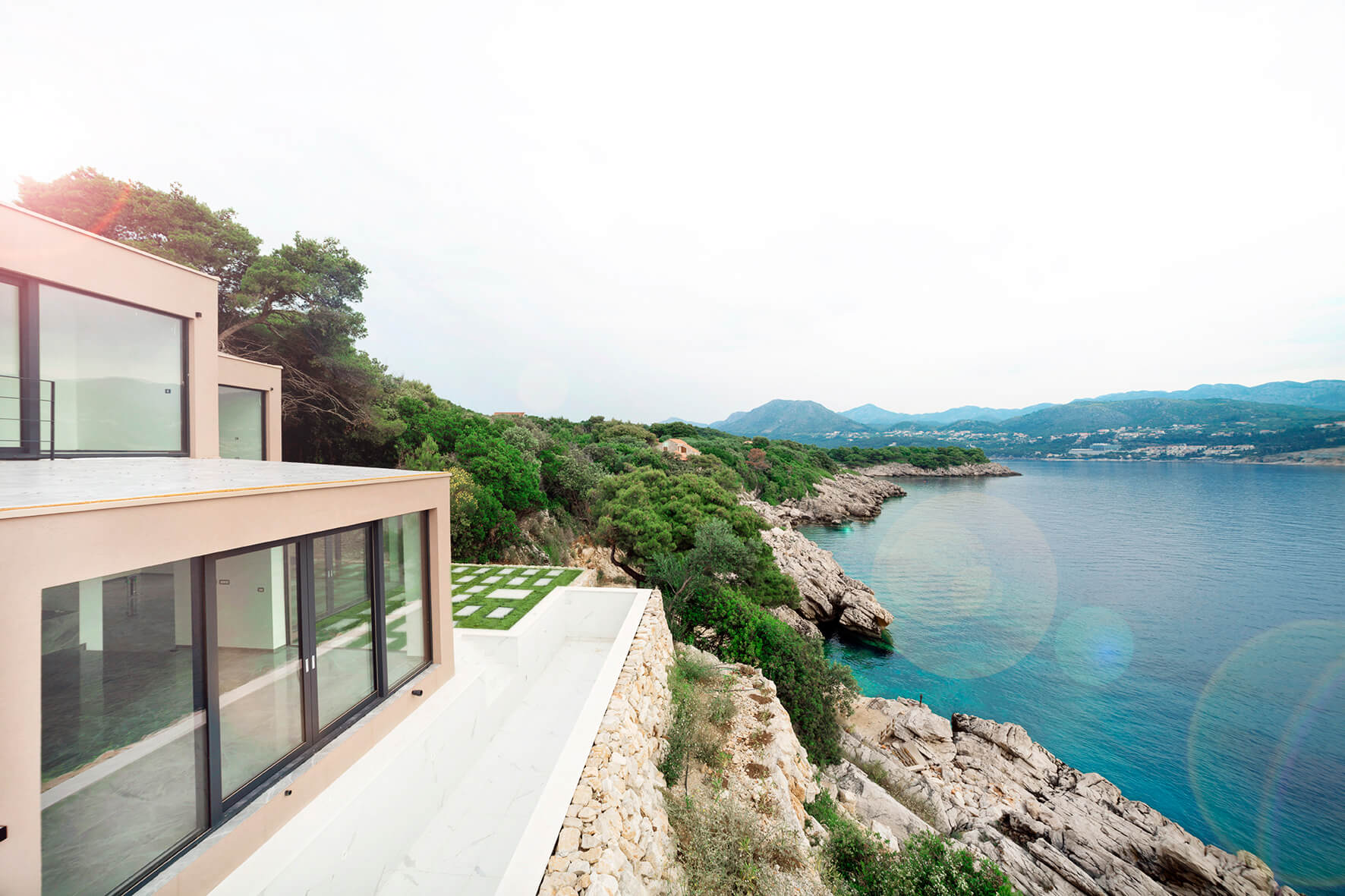
A strong dining base needs variety as well as one standout restaurant.
III. Technique over theatre: the Tiha Bay logic
At the quieter edge of town, the Tiha side offers an alternative to the promenade. Tiha Restaurant & Bar is part of that more relaxed setting, where the emphasis can shift towards seafood, privacy and a slower meal.
Fresh ingredients alone do not define a good seafood restaurant. Preparation, restraint and consistency all affect the final dish. Cavtat benefits from having restaurants where the setting can change without sacrificing convenience.
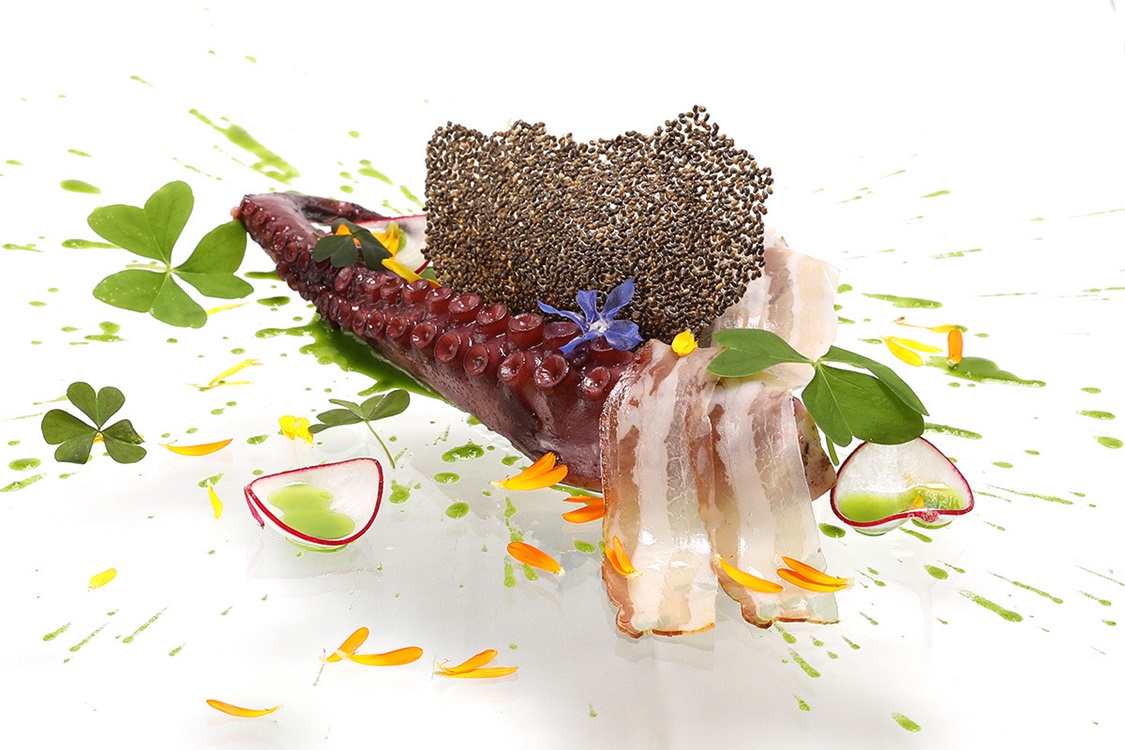
IV. The classic tavern layer still matters
A convincing dining destination needs more than its most expensive table. In Cavtat, the traditional layer includes Konoba Dalmatino, Konoba Cavtat, and Konoba Galija. These restaurants keep the town connected to the Dalmatian food culture that existed before the rise of luxury travel.
That variety is particularly useful for longer stays. Not every evening needs formal service or a tasting-menu mindset. A traditional konoba can provide a simpler meal while still giving visitors a stronger sense of place.

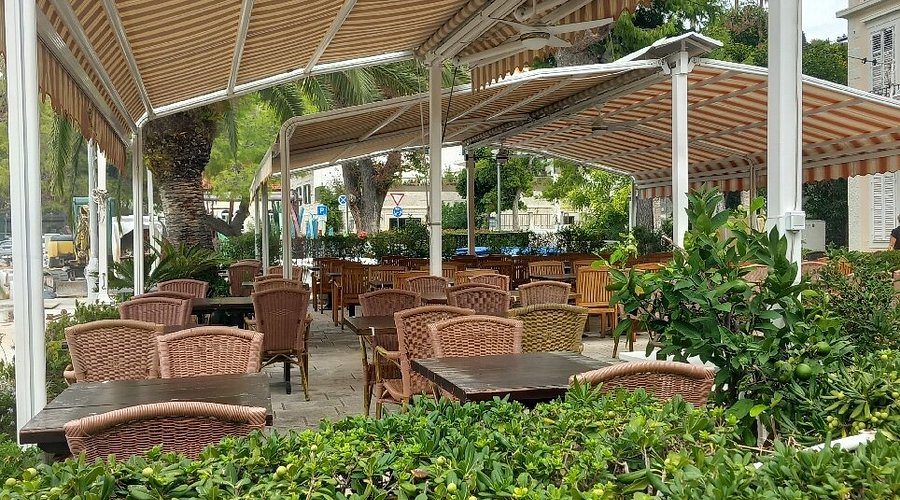
V. St. Pietro and the water approach
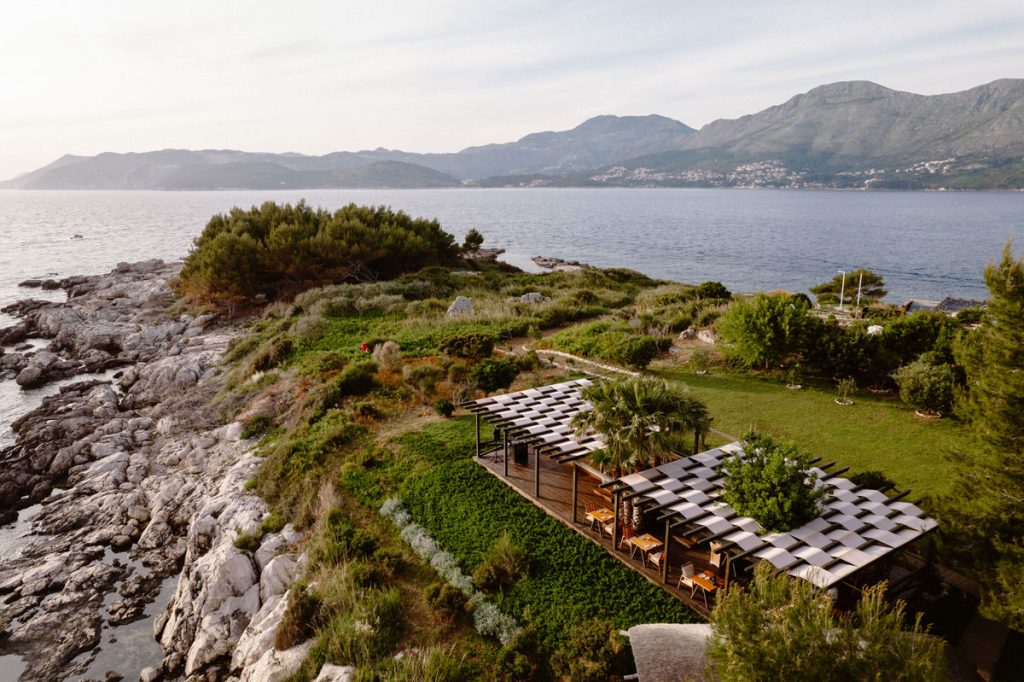
Look southeast from Cavtat harbour and another part of the dining map comes into view: St. Pietro. Its appeal begins before the meal because the approach by tender or private boat becomes part of the experience.
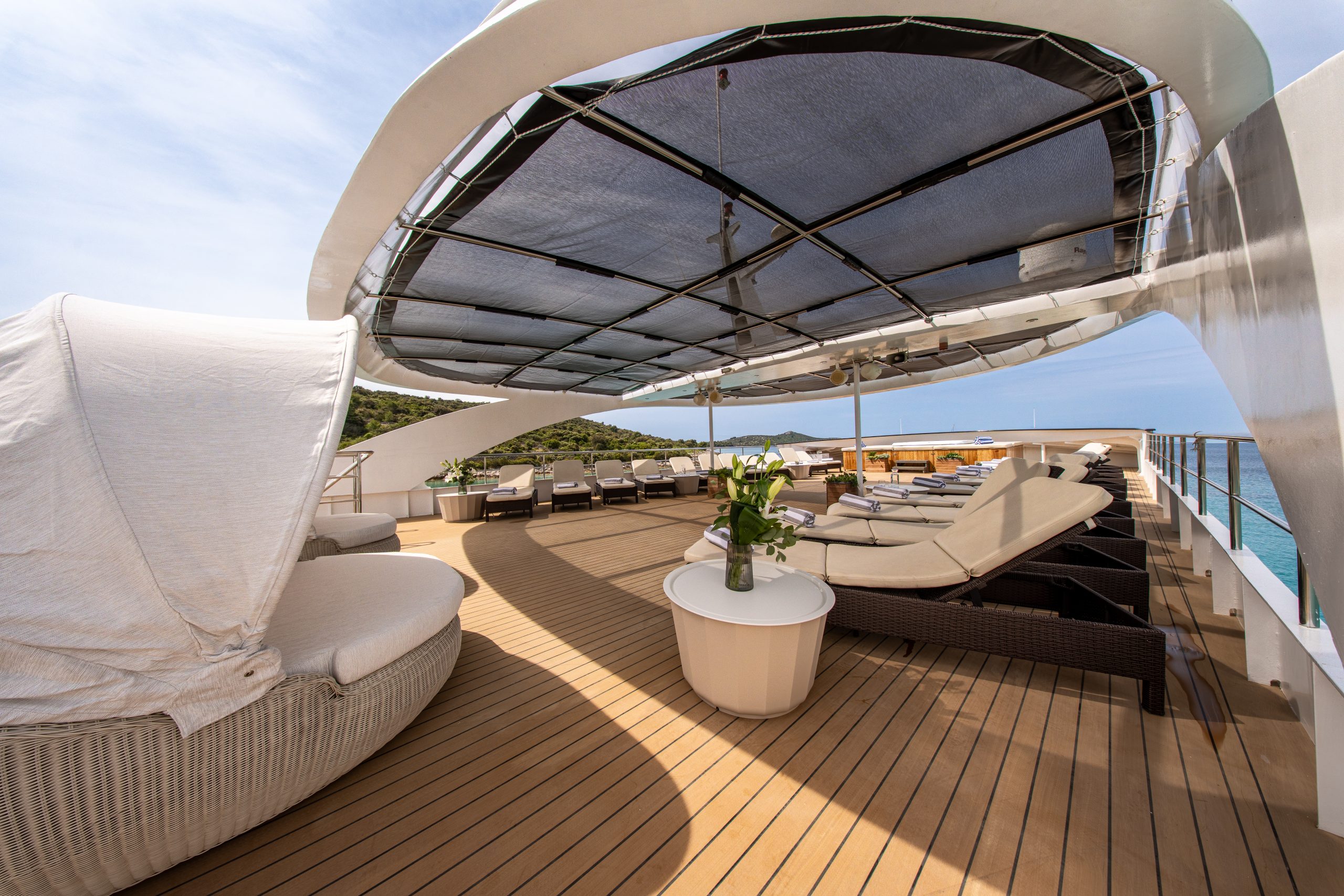
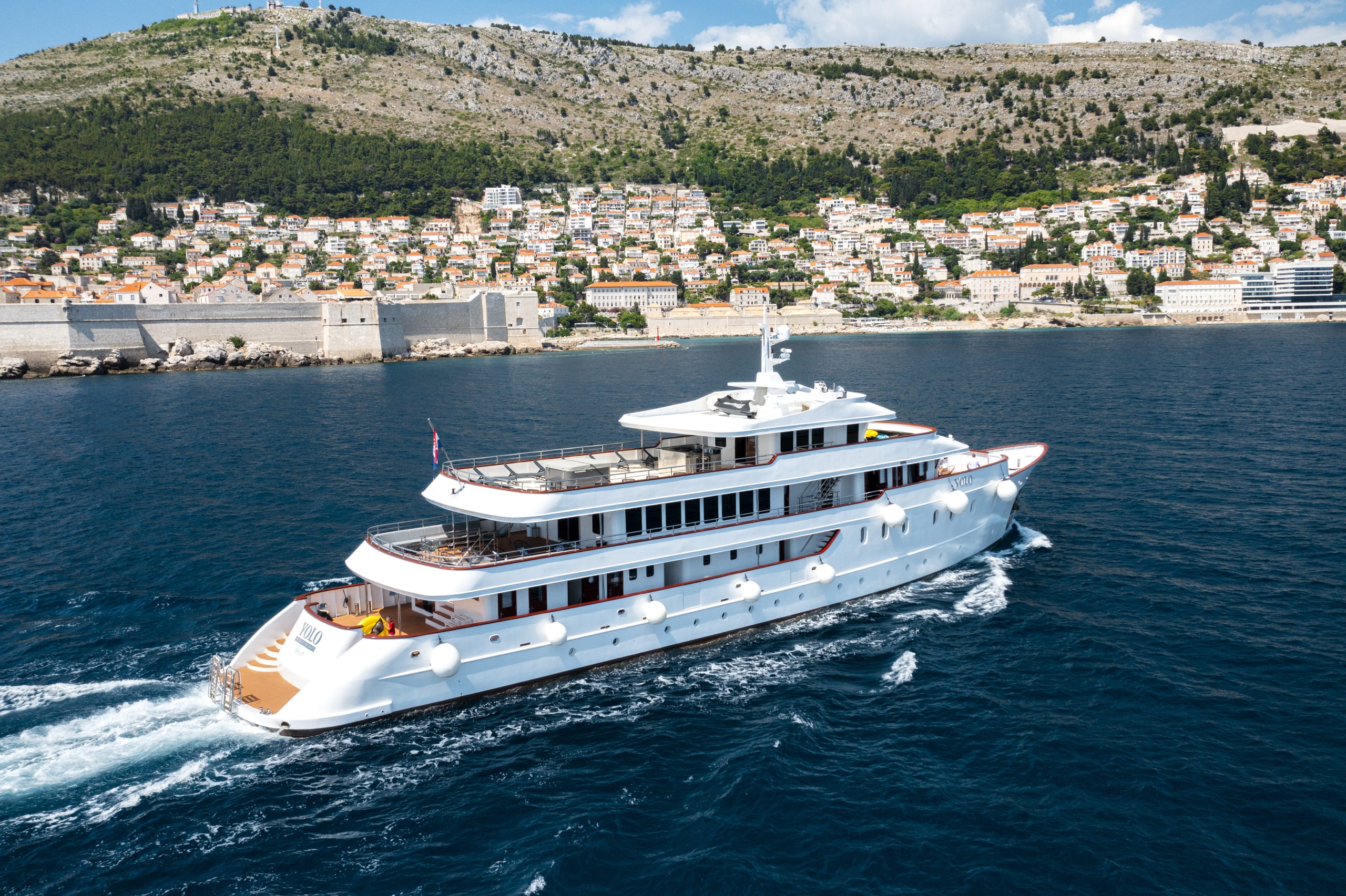
For yacht guests, day-boat travellers and hotel visitors willing to organise lunch around the water, this extends Cavtat’s dining options beyond the promenade. The bay becomes part of the route to the restaurant rather than simply a backdrop.

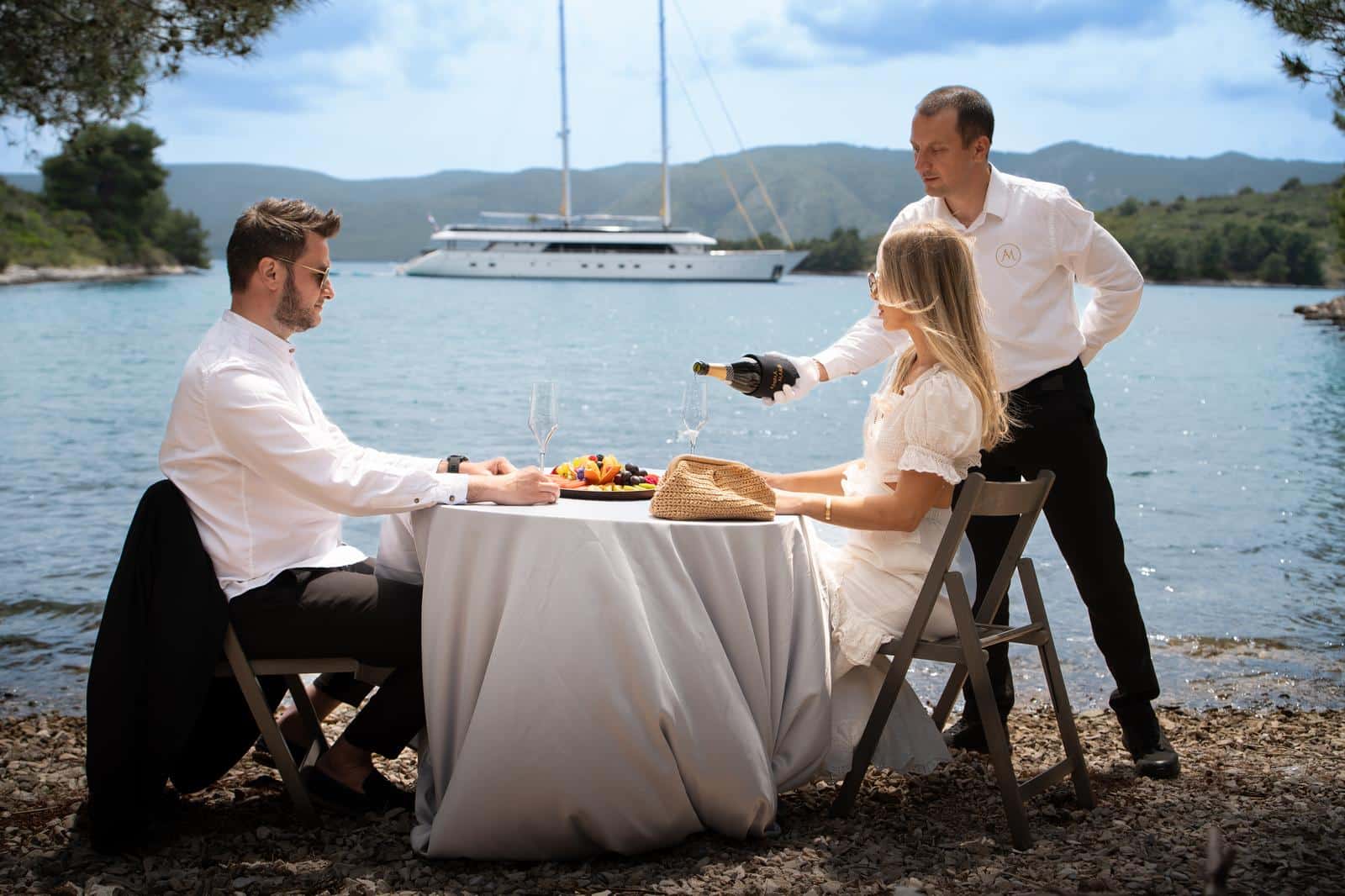
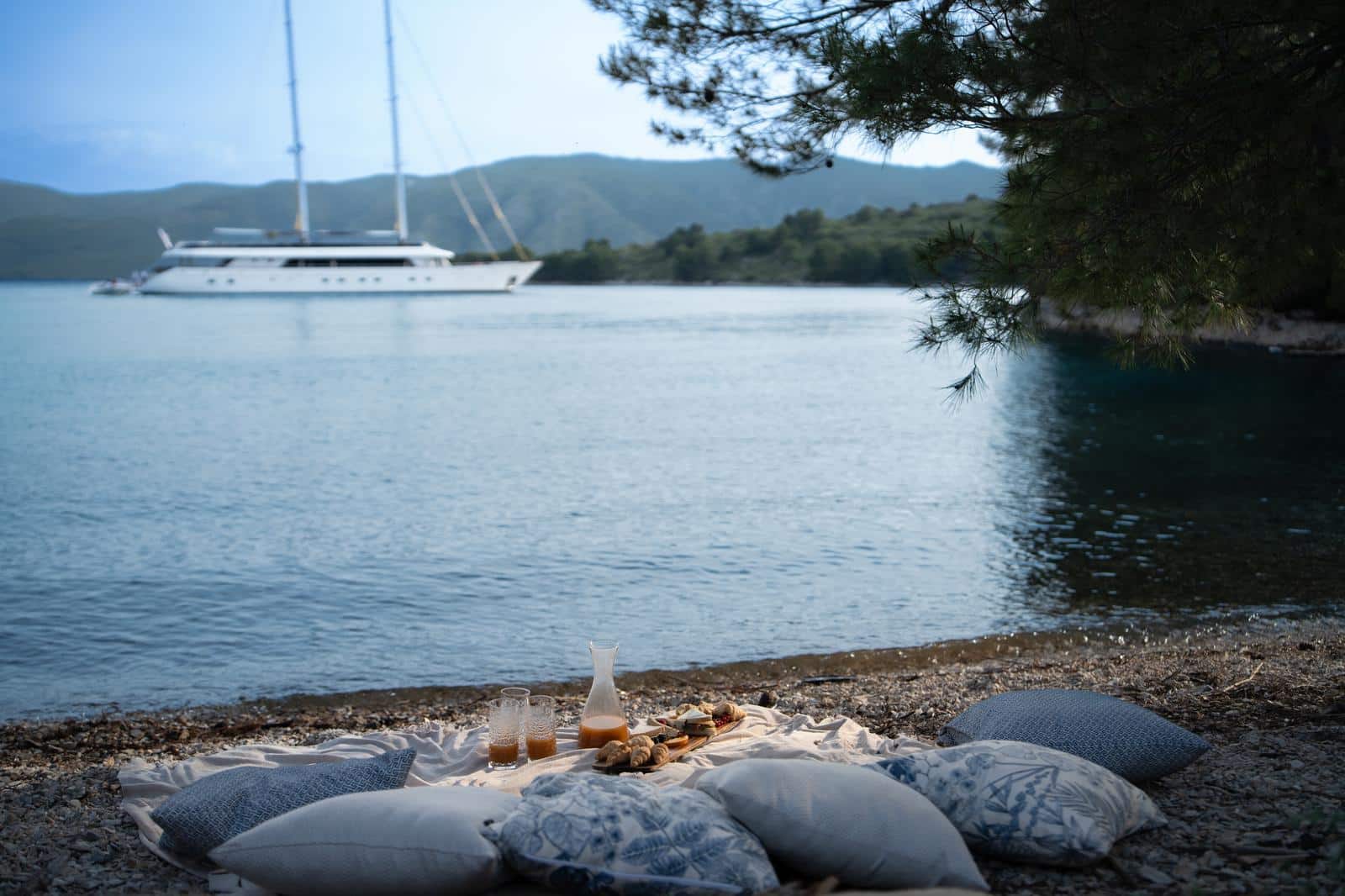
VI. Why Cavtat’s pacing improves dinner
Cavtat’s advantage is also practical. A walk, swim, cultural stop, coffee, transfer from Dubrovnik and dinner can fit into the same day without long journeys between each activity.
The result is a less demanding rhythm than in larger destinations. Travellers can return from Dubrovnik, spend time around the harbour and sit down for dinner without having to organise another major transfer.

VII. The Dubrovnik day-trip formula
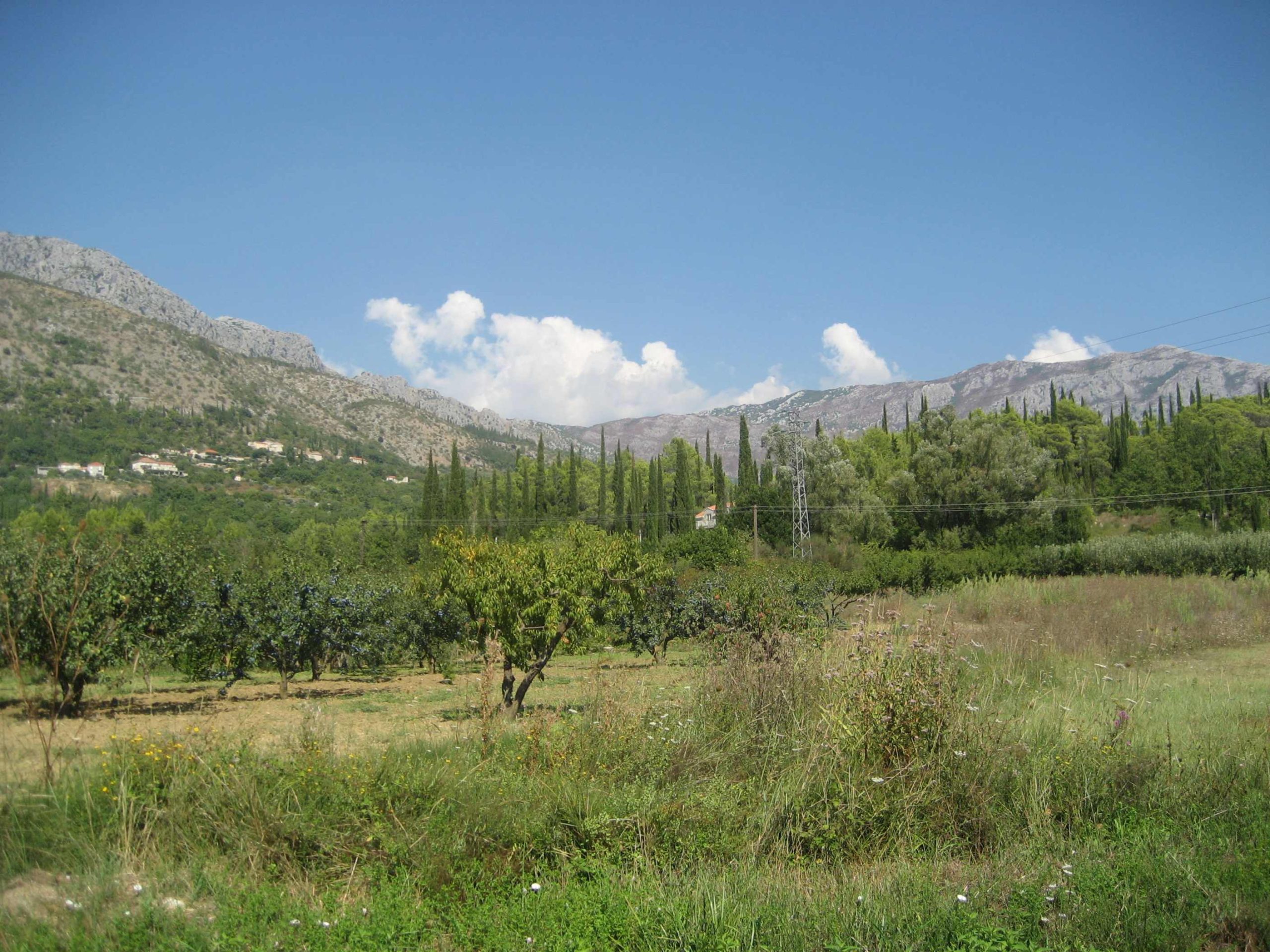
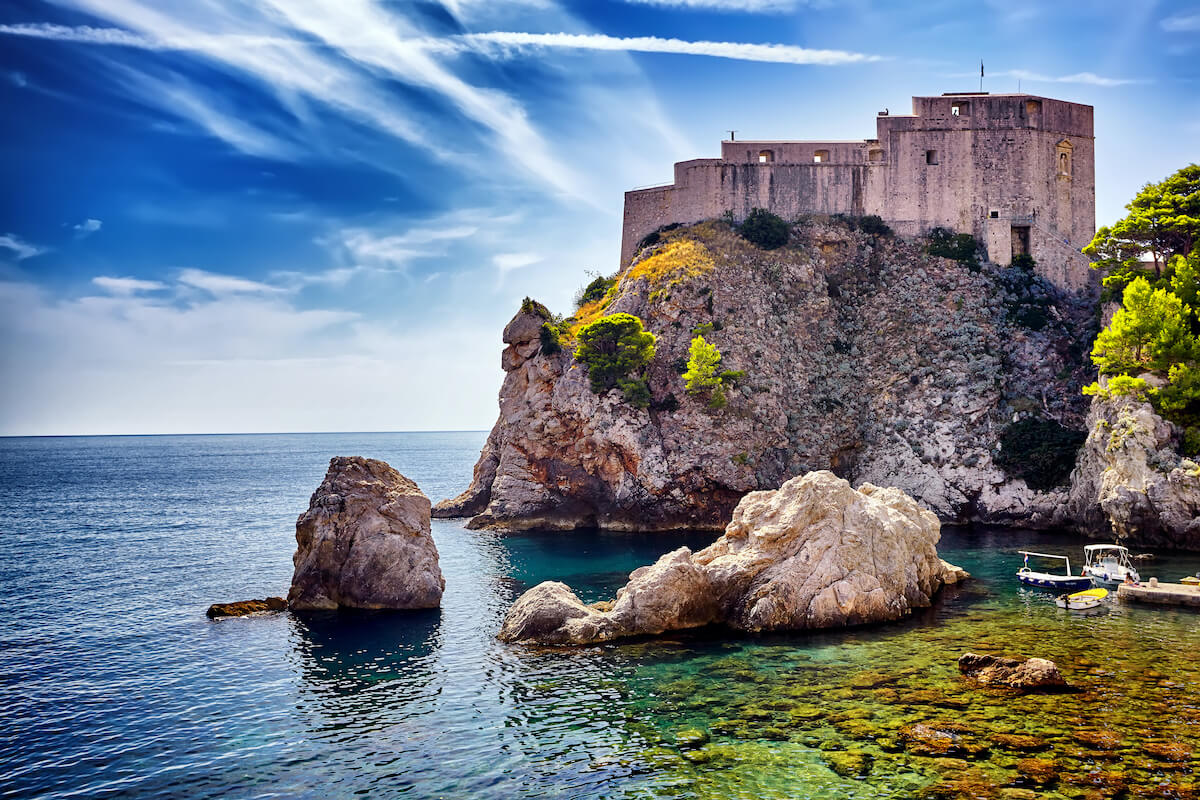
Cavtat becomes more useful when paired with Dubrovnik rather than treated as a rival. Dubrovnik can provide the monuments, city walls and intensity of the daytime. Cavtat offers a quieter setting for the evening.
That makes the two destinations complementary. Visitors can spend the day in Dubrovnik and return south for dinner, avoiding the need to make every meal part of the city’s busiest hours.

VIII. Best for whom?
Cavtat is especially strong for: travellers staying several nights on the Riviera, couples looking for an easier pace, yacht guests using the bay as part of the day, and visitors who want Dubrovnik within reach without dining there every evening.
It is less ideal for: travellers who want a large-city dining scene at every meal or who prefer destinations where scale and theatricality dominate.
The strength of Cavtat is the combination of restaurants, geography and ease. One evening can be centred on Bugenvila, another on Leut or Dalmacija, and another on a traditional restaurant such as Dalmatino, Konoba Cavtat, or Galija.
That range makes the town useful as a base rather than simply a place to visit for one meal.
Conclusion
Cavtat has developed into a serious dining base on the Dubrovnik Riviera. Bugenvila provides a high-end reference point, while Leut, Dalmacija, Ivan, and other harbour restaurants broaden the choice. The Tiha side offers a quieter alternative, traditional konobas keep the local character visible, and restaurants reached by water expand the map further.
Its proximity to Dubrovnik adds another advantage. Visitors can spend the day in the city and return to Cavtat for dinner, combining Dubrovnik’s intensity with a more manageable evening.
The appeal, ultimately, is not one perfect restaurant. It is the ability to build several different kinds of day around the same compact base: sea time, sightseeing, coffee, lunch and dinner without excessive travel between them.

Planning a food-led stay on the Dubrovnik Riviera?
Tell us your dates, pace, and budget, and Cavtat Guide will help you shape the right mix of dining, sea time, day trips, and local experiences.