Main takeaway: high-end Croatian property is rarely defined by size alone. It is defined by site intelligence, privacy, sea relationship, outdoor usability, and service ecosystem.
Most important distinction: the strongest villas feel structurally luxurious, not merely visually expensive.
What the upper market rewards most: coherence between land, architecture, arrival, outdoor living, and maritime lifestyle.
Luxury property on the Adriatic has become more sophisticated, but not always in the ways outsiders assume. It is not defined only by size, glazing, or headline price. In Croatia, the strongest houses at the upper end tend to derive their power from a subtler combination of factors: water relationship, privacy, approach, built discretion, outdoor intelligence, and a sense that the architecture belongs to the coast rather than merely occupying it.
Many foreign buyers arrive expecting that luxury means a generic international villa product with sea views attached. The stronger Adriatic properties argue for something more nuanced. They show that high-end Croatian property is often at its best when it balances contemporary comfort with regional calm, and when it allows owners to live not in a resort abstraction but in a working maritime landscape.
That distinction matters because the Croatian coast is no longer judged only by raw beauty. The market has matured. Buyers increasingly compare not just façades and pools, but how a house actually performs: how the arrival feels after a late flight, how protected the terraces are in high summer, whether neighbouring plots weaken privacy, whether sea access is real or merely visual, and whether the property can support a pattern of life that includes family, guests, staff, boats, and shoulder-season returns. In that context, luxury becomes less about excess and more about coherence.

Luxury begins with the site
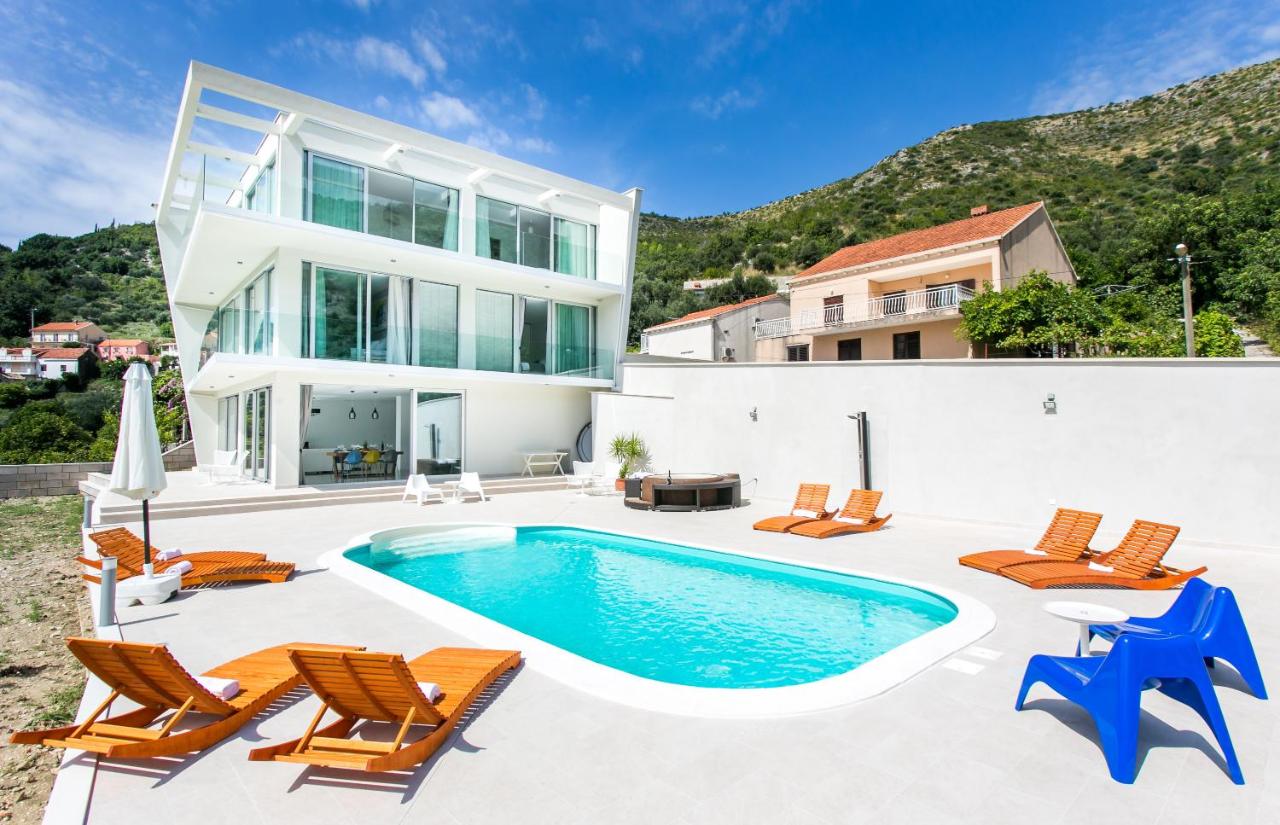
The first truth of high-end Croatian property is that the site does much of the work. A villa may be expensive, but its true distinction often comes from how it meets the land and sea. Does it rise above the coast with natural orientation? Does it descend gracefully toward bathing access? Is it sheltered from neighboring views while remaining open to light? In many Adriatic settings, the topography decides whether the architecture feels inevitable or strained.
This is why two houses with apparently similar specifications can belong to completely different categories of value. A pool and sea view can be broadly attractive, but a house whose terraces, sightlines, and access sequence have been shaped in genuine dialogue with slope, wind, and water belongs to a more convincing class of property. The Adriatic is unforgiving of lazy placement. On the strongest sites, the architecture appears to have found its position rather than claimed it aggressively.
That is also why premium buyers learn to distinguish between spectacle and composure. A villa may have a panoramic outlook and yet still feel overexposed or spatially awkward. Another may sit more quietly, but with a better relationship to the horizon, the sun path, and the practical movement between interior, terrace, and water. The upper market on the Croatian coast is increasingly defined by these subtleties. Site intelligence is not a secondary virtue. It is often the foundation of everything else.
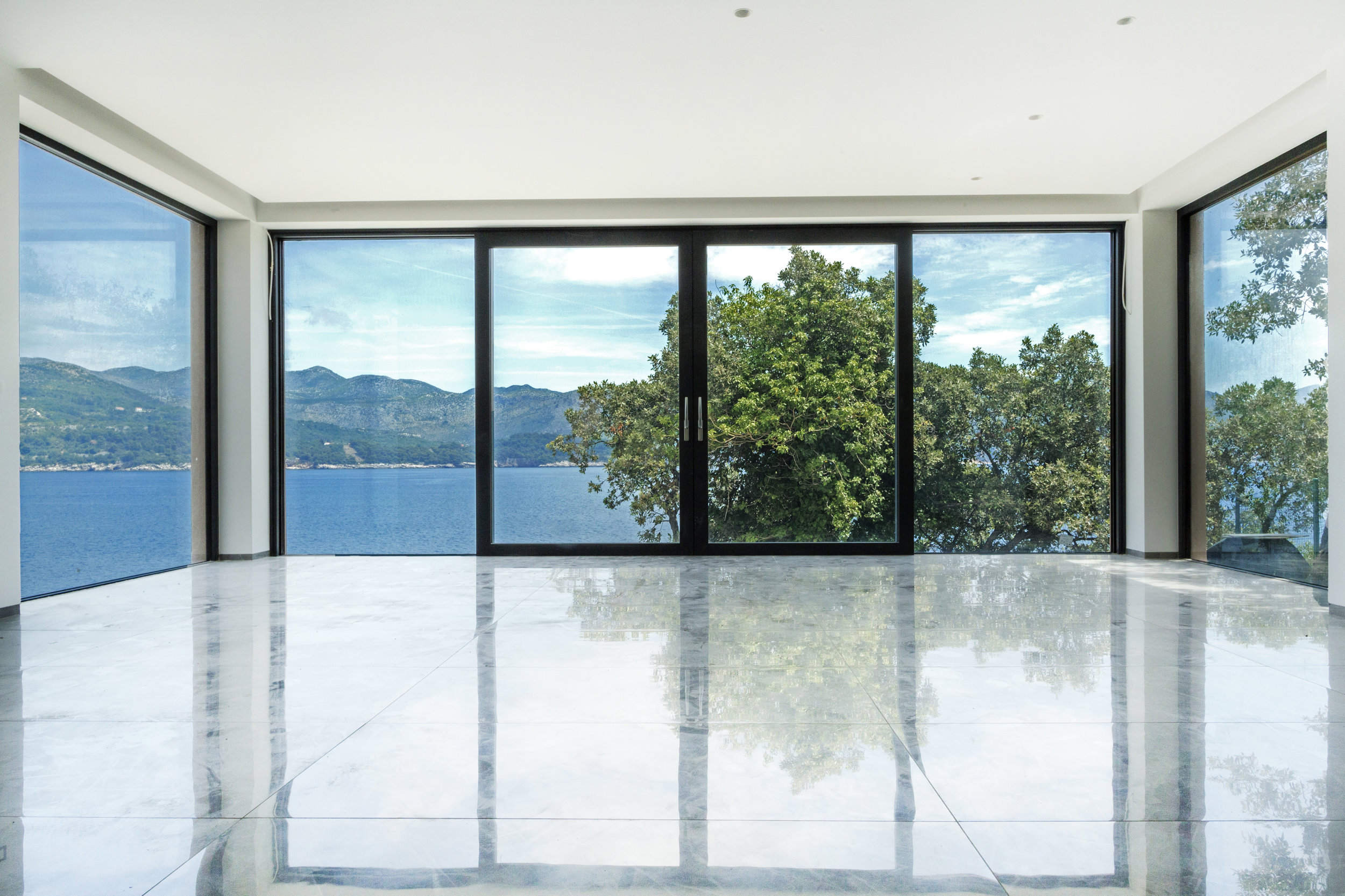
At the top end, sea access remains one of the most important differentiators. A pool with a view is pleasant; a property with a genuinely usable relationship to the sea belongs to a different category altogether. On the Adriatic, the distance between those two things can be the distance between ordinary luxury and enduring luxury.

Architecture: between stone memory and modern openness
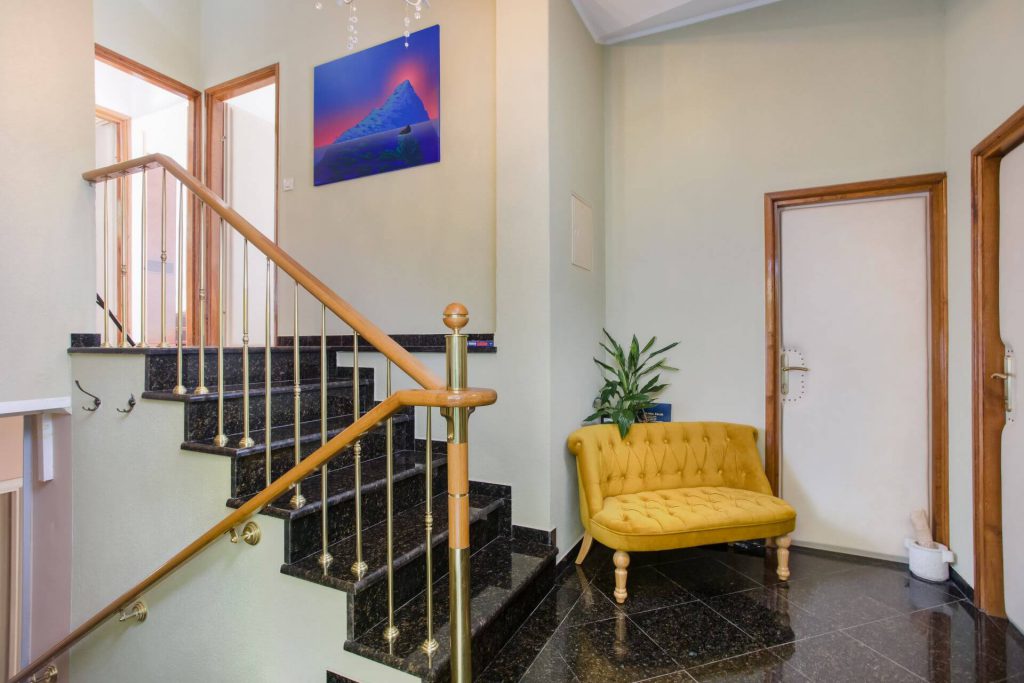
Croatian luxury architecture performs best when it avoids two extremes. One is faux-historic sentimentality: design so eager to look Mediterranean that it becomes decorative rather than convincing. The other is placeless internationalism: a glass box that could sit almost anywhere. The finest Adriatic villas tend instead to negotiate between stone memory and modern openness. They preserve thickness, shade, terraces, and privacy while introducing contemporary circulation, glazing, and technical comfort.
This is one reason heritage and new-build continue to coexist so powerfully in the market. A restored stone mansion can offer texture, gravity, and the authority of regional material culture. A modern villa can offer cleaner transitions, stronger spatial efficiency, and easier alignment with contemporary family life. Both can be high-end. What matters is whether the architecture deepens the coast rather than flattening it into a style exercise.
In practical terms, the best modern Croatian houses are usually not those that shout loudest about their modernity. They are the ones that understand what older Adriatic architecture always understood: shade matters, thickness matters, the sequence between interior and exterior matters, and privacy is often created through angle and orientation rather than sheer scale. When contemporary design absorbs those lessons, it becomes more convincing. When it ignores them, it often feels imported rather than rooted.
Outdoor rooms as the true luxury metric
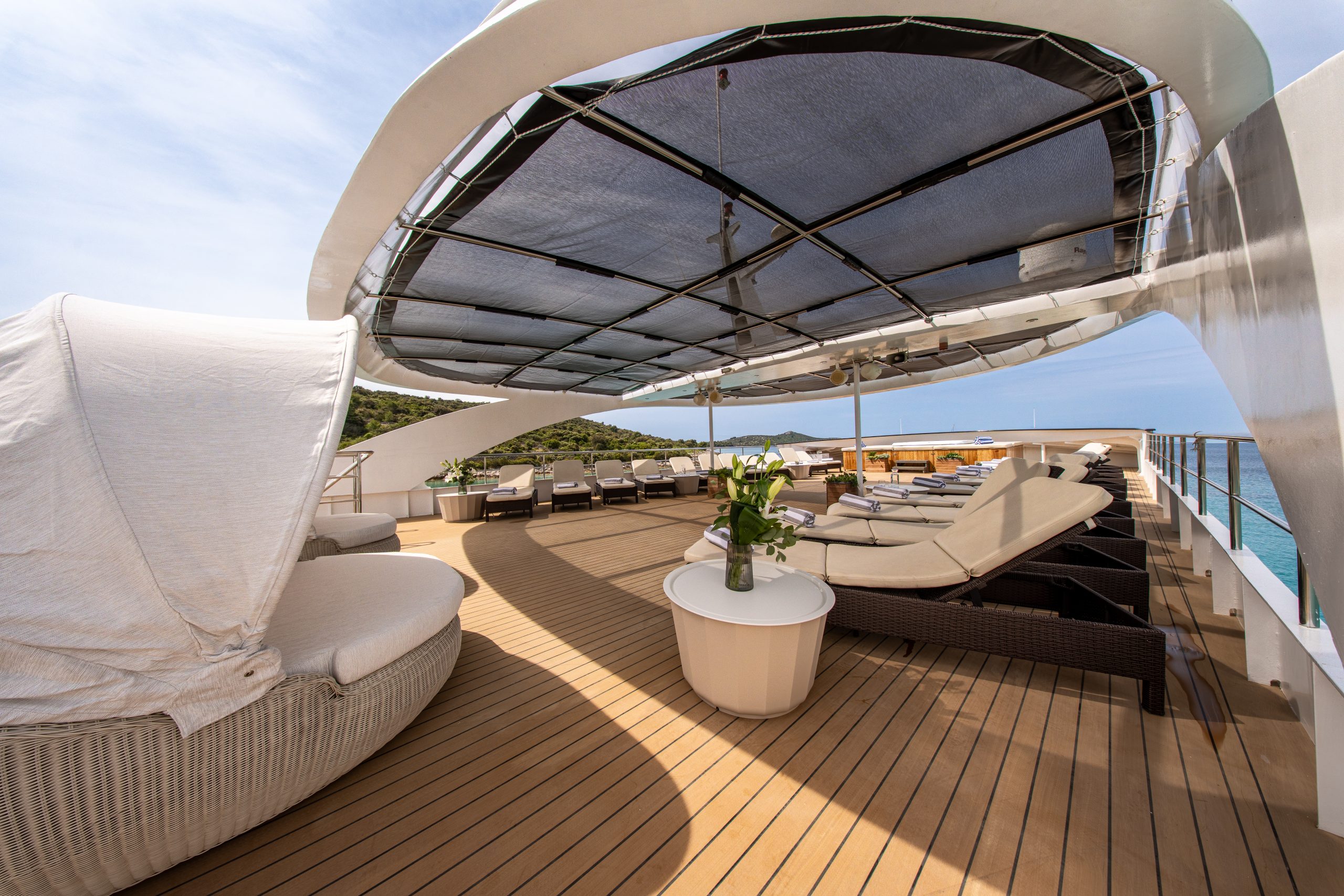
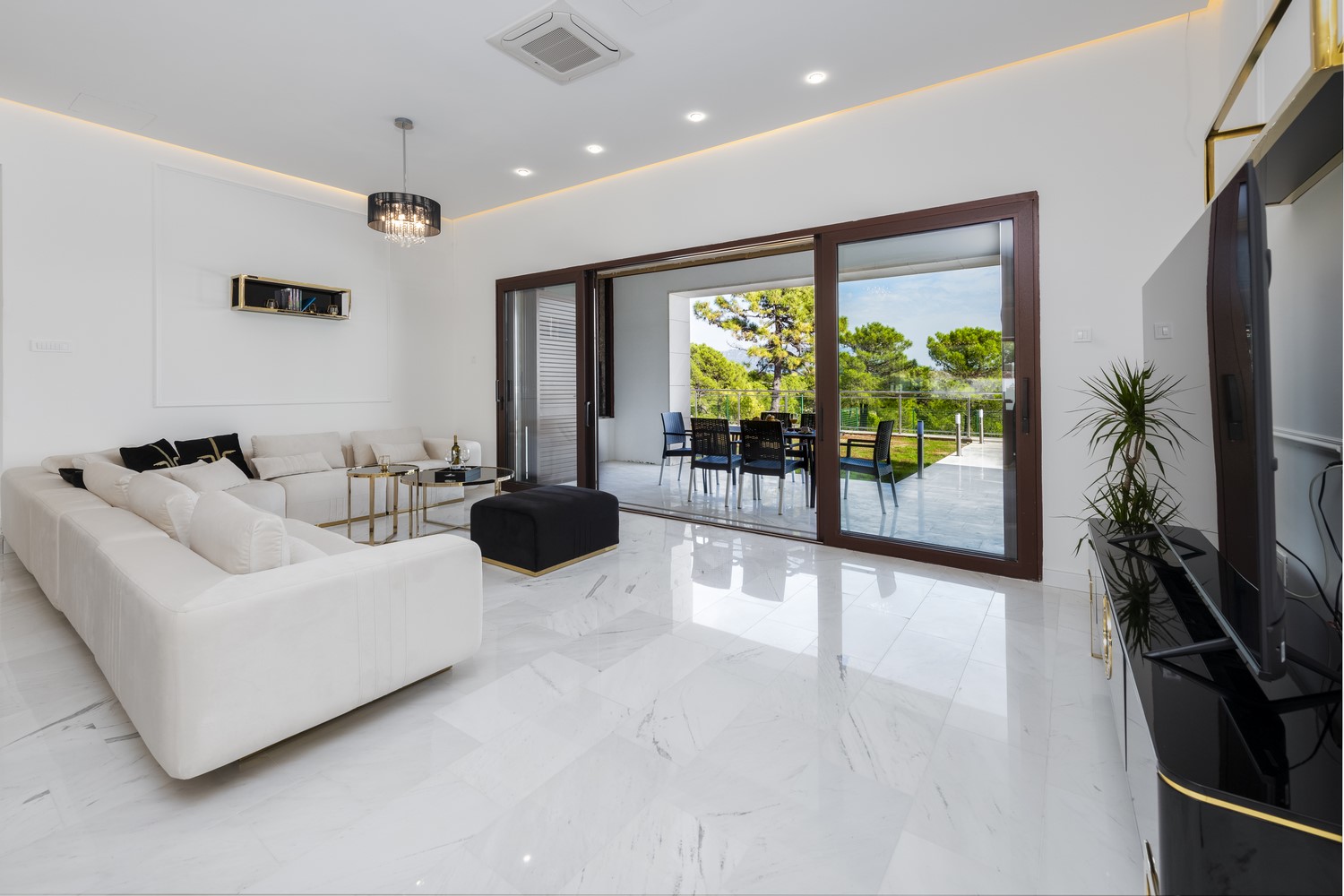
In the Adriatic climate, outdoor quality frequently matters more than one additional formal room inside. Terraces, kitchens, shaded dining areas, jetties, gardens, pool decks, and guest circulation all influence whether a villa functions with ease. Luxury is measured not only by what the house contains, but by how long people want to remain outside without discomfort. A property that can sustain breakfast, lunch, reading, swimming, aperitifs, and dinner across different exterior zones is often more luxurious in use than one with a larger indoor footprint but weaker outdoor intelligence.
This is where many buyers become more discriminating. A terrace is not automatically an outdoor room. It becomes one when it offers shade where shade is needed, privacy where privacy matters, and a believable relationship to the rest of the house. On the Adriatic, outdoor living is not a seasonal bonus. It is part of the core program of the property.
Useful rule for judging a villa quickly: if the house does not resolve outdoor living, privacy, shade, and sea relationship properly, it is unlikely to belong to the true top end, no matter how expensive the finishes are.

Privacy and the art of arrival
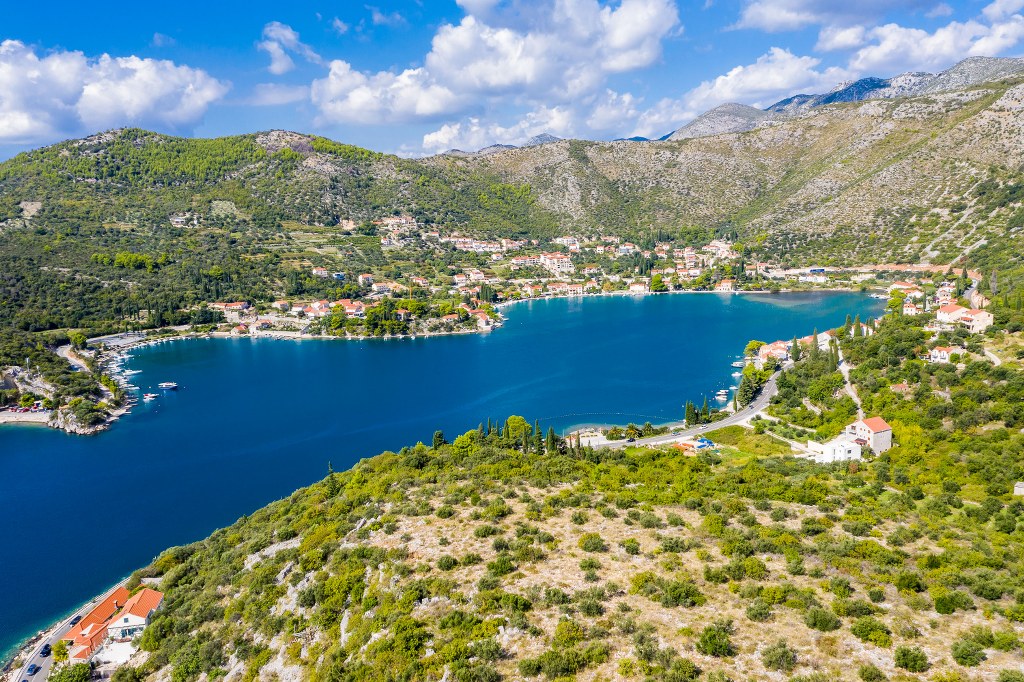
Privacy on the Croatian coast is a nuanced premium. It is not always absolute isolation; often it is controlled visibility. The best houses allow owners to feel removed while remaining close to a town, marina, or restaurant scene. This is why arrival sequence is so important. A property that reveals itself slowly, with discreet access, parking clarity, and separation from public view, tends to feel much more expensive than one with similar measurements but weaker choreography.
Arrival matters because luxury begins before the front door. The road in, the turning space, the first reveal of the house, and the way guests move from car to terrace without confusion all influence whether the property feels composed or merely expensive. On the Adriatic, where many sites are topographically dramatic, the art of arrival is especially important. A difficult approach can be forgiven once or twice. Over years of ownership, it becomes part of the asset’s real character.
Estate-scale houses satisfy one kind of desire: amplitude without total separation from civilisation. More compact seafront villas can achieve equal luxury if their privacy, sea access, and outdoor logic are strong enough. Croatian high-end property rewards the total composition, not only the brief. A larger plot is not always better if the house is badly exposed. A smaller house can feel more valuable if its terraces are protected, its views permanent, and its access discreet.
For serious buyers, privacy also means asking more precise questions. Can neighbors see into the main outdoor areas? Is the pool visually dominant from surrounding properties? Does the house shield itself naturally, or only through planting that may take years to mature? These details separate a brochure promise from a genuinely private life.

Yacht access and maritime usefulness
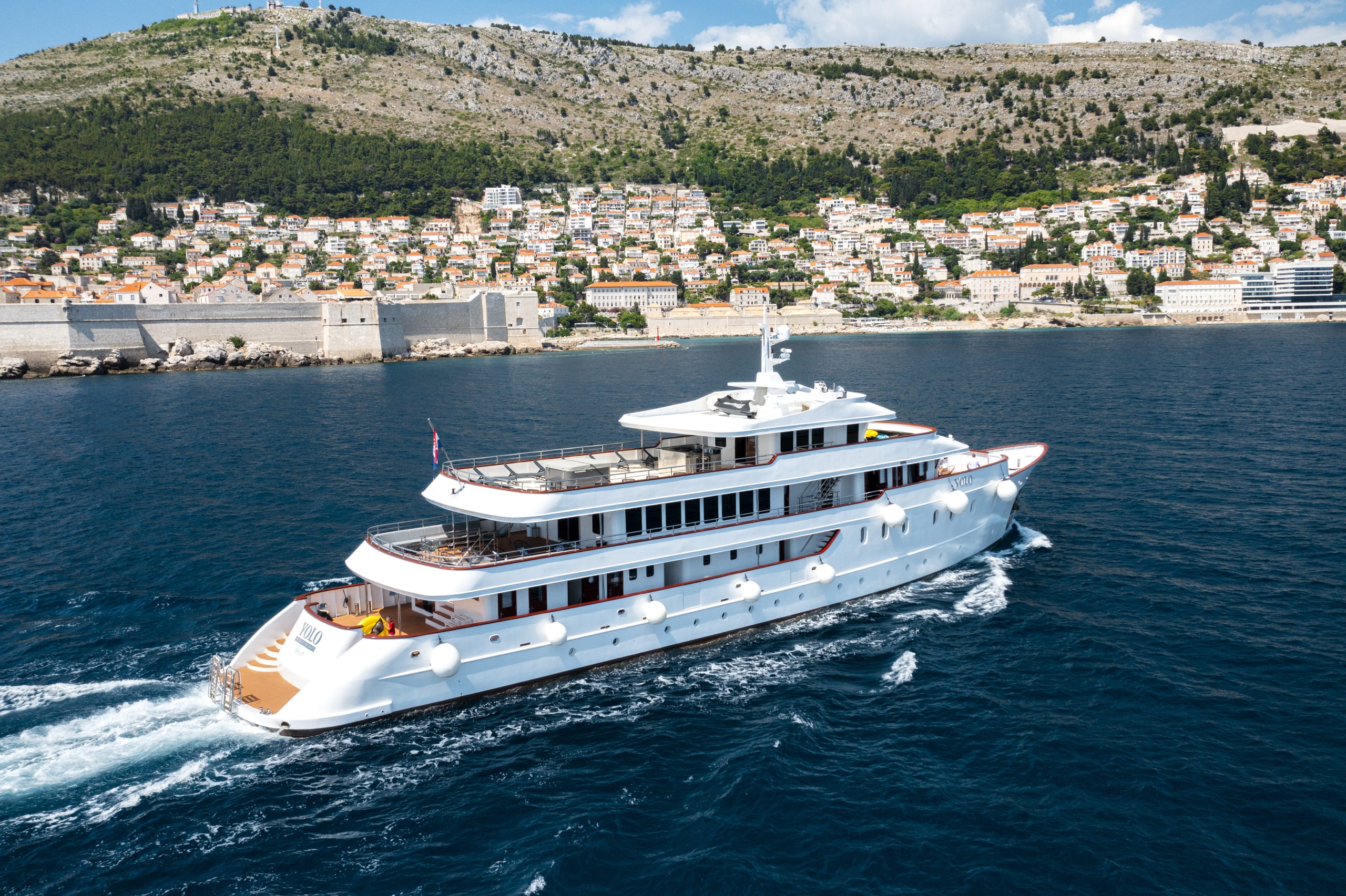
There is a growing overlap between luxury real estate and yachting in Croatia, especially in the south. Buyers who move between charter, marina life, and property ownership ask different questions from conventional second-home purchasers. Can guests transfer from airport to house to boat without friction? Is there nearby berthing or tender-friendly access? Does the coastline invite regular use rather than occasional admiration?
This is where the Dubrovnik Riviera and selected island properties become especially interesting. High-end Croatian property increasingly benefits when it is read not as inland real estate with a view, but as part of a maritime network of movement and leisure. A house near the right marina, or with believable tender logic, behaves differently from one whose relationship to the sea is purely visual. For buyers with yachts, charter habits, or boating-oriented social lives, that difference can be fundamental.
Even buyers without their own vessels are increasingly influenced by this maritime logic. They may charter during the season, use dayboats frequently, or simply want the house to remain integrated into a coastal lifestyle that feels active rather than static. In those cases, proximity to marinas, harbours, and boating infrastructure is not a decorative extra. It becomes part of the villa’s real utility.
That is one of the reasons the southern Adriatic continues to attract international attention. It offers not only architecture and sea views, but a way of moving between house, harbour, and coastline that remains unusually coherent. On this stretch of coast, high-end property can still function as part of a larger life rather than as an isolated asset.

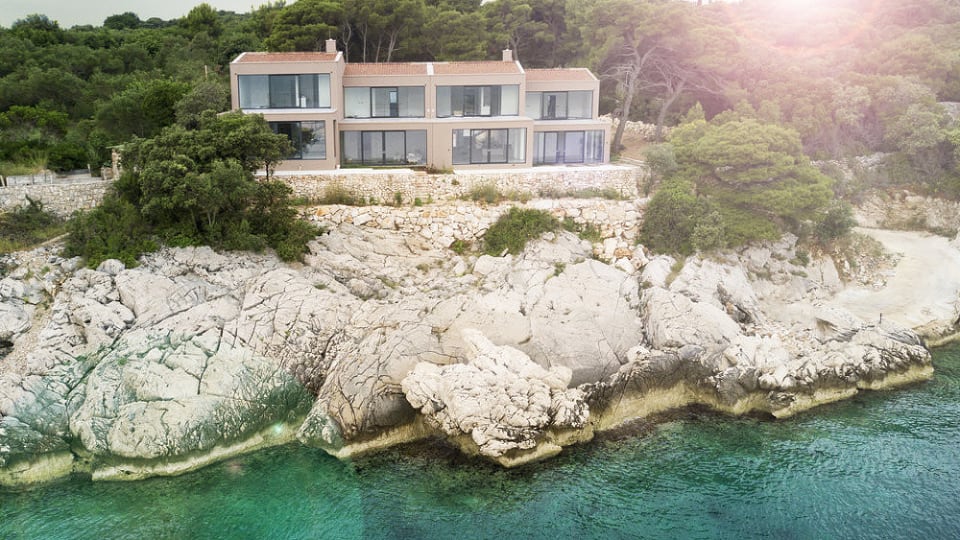
What really defines the top end in Croatia
Ultimately, luxury on the Adriatic is defined by coherence. The house, the coast, the privacy, the outdoor sequence, the materials, and the access must all support one another. Buyers often make mistakes when they focus on a single glamour signal. A large plot means little if the house is exposed. A designer interior means little if the approach is awkward. A prestigious micro-location means less than expected if the sea relationship is only visual.
The top end of the Croatian market therefore remains unusually rewarding for educated buyers. It is still possible to identify properties whose value rests on qualities harder to imitate: old stone, remarkable orientation, defensible privacy, marina adjacency, intelligent restoration potential, or the rare sensation that one could live there elegantly both in June and in November. That is a more demanding definition of luxury, but it is also a more durable one.
It is also a definition that favours patience. The strongest high-end Croatian property is rarely the loudest listing. It is the house whose virtues continue to deepen under scrutiny. Buyers who understand that usually end up purchasing better — not because they buy less emotionally, but because they learn to recognise which emotional signals are actually backed by long-term structural quality.
| Luxury factor | Surface reading | Deeper Adriatic reading |
|---|---|---|
| Sea view | Beautiful backdrop | Value depends on permanence, privacy, and actual sea relationship |
| Architecture | Contemporary or historic styling | Best results balance regional material logic with modern comfort |
| Privacy | Distance from neighbours | Also includes access choreography, terrace shielding, and quiet approach |
| Outdoor living | Pool and terrace | Should function as a full seasonal living programme |
| Yacht access | Nice extra | Can fundamentally change utility and prestige for maritime buyers |
The upper market is also a service market
At the highest end, buyers are increasingly sensitive to the ecosystem around the house. Luxury no longer stops at the gate. Owners care about airport transfers, provisioning, trusted boat skippers, house management, chefs, wellness services, gardeners, and discreet repair networks. A villa that looks magnificent but sits outside any reliable service environment may still have prestige, yet it will not necessarily be the most enjoyable property to own.
This is why Dubrovnik and its surrounding coastal zones remain so important. They offer not just scenery but service density. The strongest luxury properties benefit from proximity to marinas, restaurants, cleaning teams, technical specialists, and transport routes that make arrival and hosting feel easy. In practical terms, this service layer can sustain value as effectively as architecture.
Service matters because repeated ownership is ultimately operational. A house may be beautiful in July, but the upper market asks a harder question: how easy is it to maintain this standard every time the owner returns? The answer often lies as much in local competence as in architecture. The best high-end villas on the Adriatic therefore exist inside two structures at once: a beautiful coastal setting and a dependable service environment.
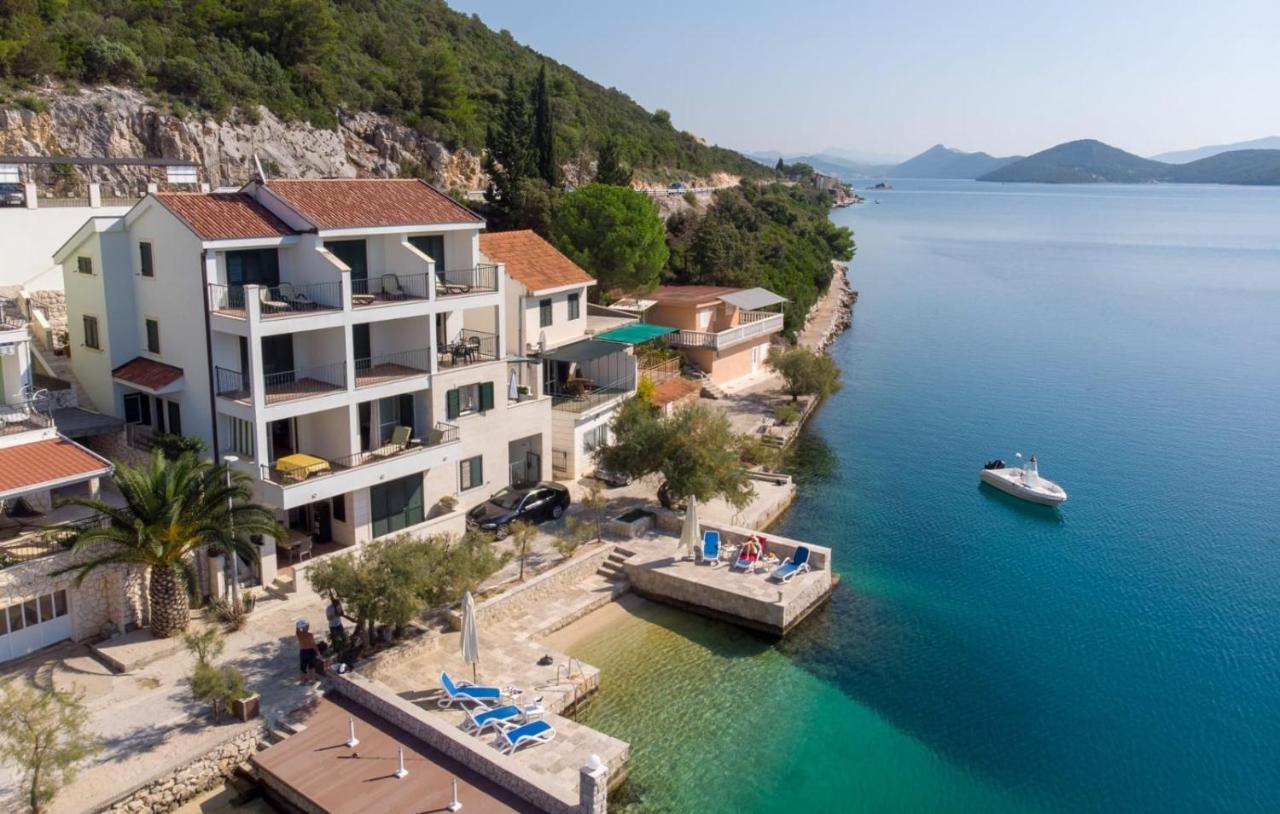
Seafront Apart-Home — Near Dubrovnik
A useful example of how serviceable coastal living and direct waterfront appeal can combine in a way that suits repeated use as well as guest-facing occupancy.
Mesmerizing Villa — Orašac
Illustrates a different version of Adriatic luxury: privacy, drama, and a more retreat-like ownership pattern without total disconnection from the Dubrovnik orbit.
Seafront White Villa with Extra Plot — Dubrovnik
Highlights how additional land can strengthen long-term value by improving privacy, control, and adaptability beyond the house itself.

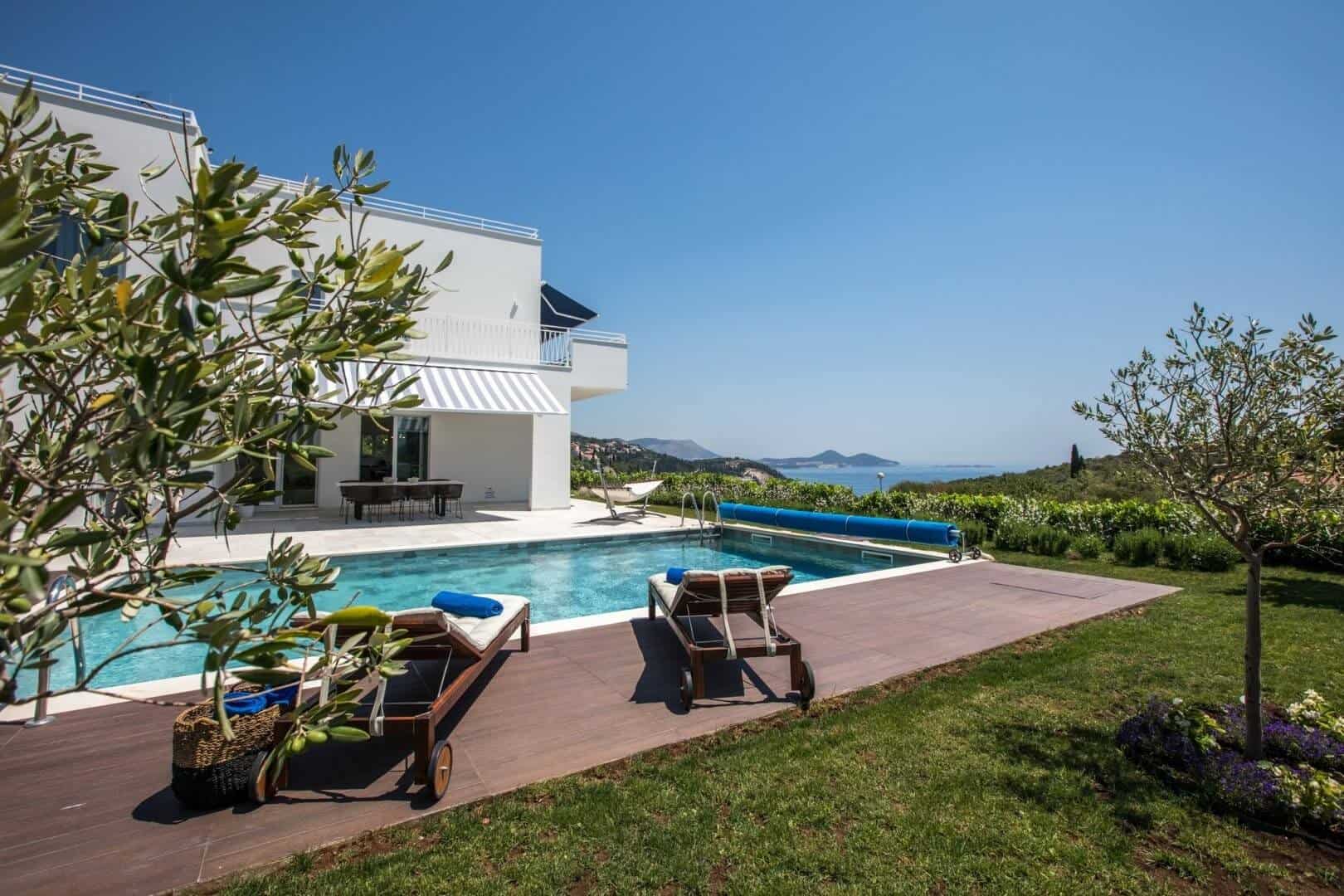


On the Adriatic, true luxury is often the feeling that the house was always meant to be there.
Frequently Asked Questions
What defines a true luxury villa in Croatia?
A true luxury villa in Croatia is defined by more than size or finish. The top end is usually shaped by site quality, privacy, sea relationship, outdoor usability, and the strength of the surrounding service ecosystem.
Are sea views enough to place a property at the top end?
No. Sea views are important, but the deeper value lies in whether the view is permanent, whether privacy is protected, and whether the property has a usable relationship to the coastline rather than a merely visual one.
Why does outdoor living matter so much on the Adriatic?
Because outdoor space is part of the main living program, not an optional extra. The strongest villas support breakfast, dining, swimming, reading, and evening use across multiple exterior zones with good shade and privacy.
Do yacht access and marina proximity really affect property value?
Yes, especially for buyers with charter habits, boats, or yacht-adjacent lifestyles. Maritime usefulness can significantly improve how often and how easily a property is used, which strengthens both utility and prestige.
What should buyers examine beyond architecture?
They should examine arrival sequence, terrace exposure, neighbor visibility, off-season practicality, service access, and how well the house actually supports repeated ownership rather than just first-impression glamour.
Conclusion
High-end Croatian property is not best understood as a catalogue of luxury features. It is a study in fit between landscape, architecture, and use. The villas that command lasting admiration are those where privacy feels natural, sea access feels integral, and design deepens rather than competes with the coast. On the Adriatic, true luxury is not loud. It is precise.
That precision is what continues to make the Croatian upper market compelling. It still allows buyers to find houses whose value rests on qualities that are difficult to replicate elsewhere: rooted materials, extraordinary siting, operational elegance, maritime usefulness, and a service context strong enough to support real ownership rather than occasional admiration. For those who understand the coast well, that combination is more persuasive than any generic definition of luxury.
The strongest Adriatic villas therefore do more than impress. They make a particular life possible one in which architecture, privacy, sea, and movement all support each other with very little visible effort. That is what defines the top end in Croatia now, and it is why the best houses remain memorable long after the first viewing has passed.

Exploring luxury villas on the Adriatic?
Tell Cavtat Guide your budget, location priorities, and ownership style, and we will help you think through the right property, the right coastal setting, and the right level of luxury for how you actually want to live.