Updated for 2026
A second home on the Adriatic is not simply a summer purchase. The strongest Croatian properties become part of a repeatable way of life: arrivals that feel easy, off-season visits that still hold appeal, and a house that remains desirable when the coast is quieter and more honest. That is why serious buyers eventually stop asking only how a property looks in August and start asking how it behaves across the full calendar of ownership.
Main takeaway: owning a second home in Croatia is not about preserving a summer fantasy unchanged. It is about creating a repeatable Adriatic lifestyle that still feels desirable in spring, autumn, and the quieter stretches between visits.
Most important ownership truth: the best Croatia second home is judged not only by beauty, but by seasonal resilience, remote-management ease, and how naturally it supports return.
Best ownership mindset: buy for repeatability, management clarity, and long-term livability, not only for first-season glamour.
People often speak of Mediterranean second homes as though they exist in a perpetual August. The light is flattering, the water warm, the shutters half closed against the sun, and everyone seems to have arrived at exactly the right stage of life. In Croatia, that fantasy can be dangerously incomplete. The Adriatic is magnificent in summer, certainly, but ownership only becomes convincing when one understands the rest of the year as well: the quieter towns, the maintenance cycles, the winter damp, the shoulder-season pleasures, the relief of April, the melancholy beauty of October, and the long stretches in which the house is not a holiday image but part of a real operating life.
To own property on the Croatian coast is not simply to purchase scenery. It is to establish a rhythm. For many foreign buyers, that is the deeper attraction. Croatia offers not just a leisure setting but a different tempo of living, one in which sea, town, season, and household management gradually settle into a durable pattern. The strongest second homes on the Adriatic do not succeed because they preserve a fantasy unchanged. They succeed because they remain desirable after the fantasy has been tested by return flights, closed shutters, storm checks, grocery runs, shoulder-season arrivals, and the slow accumulation of ordinary habits.
That is what makes the Croatian second-home question more interesting than a simple search for a beautiful villa or apartment. Buyers are not only asking what they can afford or what view they can secure. They are asking what kind of life they can repeat. Can the home support a long summer stay and a quiet spring week? Can it absorb family, guests, and occasional solitude without strain? Does it work just as well when the coast is quieter and more honest? These are the questions that turn a Mediterranean dream into a viable ownership culture.
Readers moving between Croatia property listings, editorial features about Adriatic experiences, and broader lifestyle questions across Cavtat Guide quickly discover the same truth: the most satisfying houses are rarely the ones that win only on first impression. They are the ones that remain structurally convincing after repeated use. On the Adriatic, beauty matters. But in the long run, repeatability matters more.

Why Croatia works as a second-home country
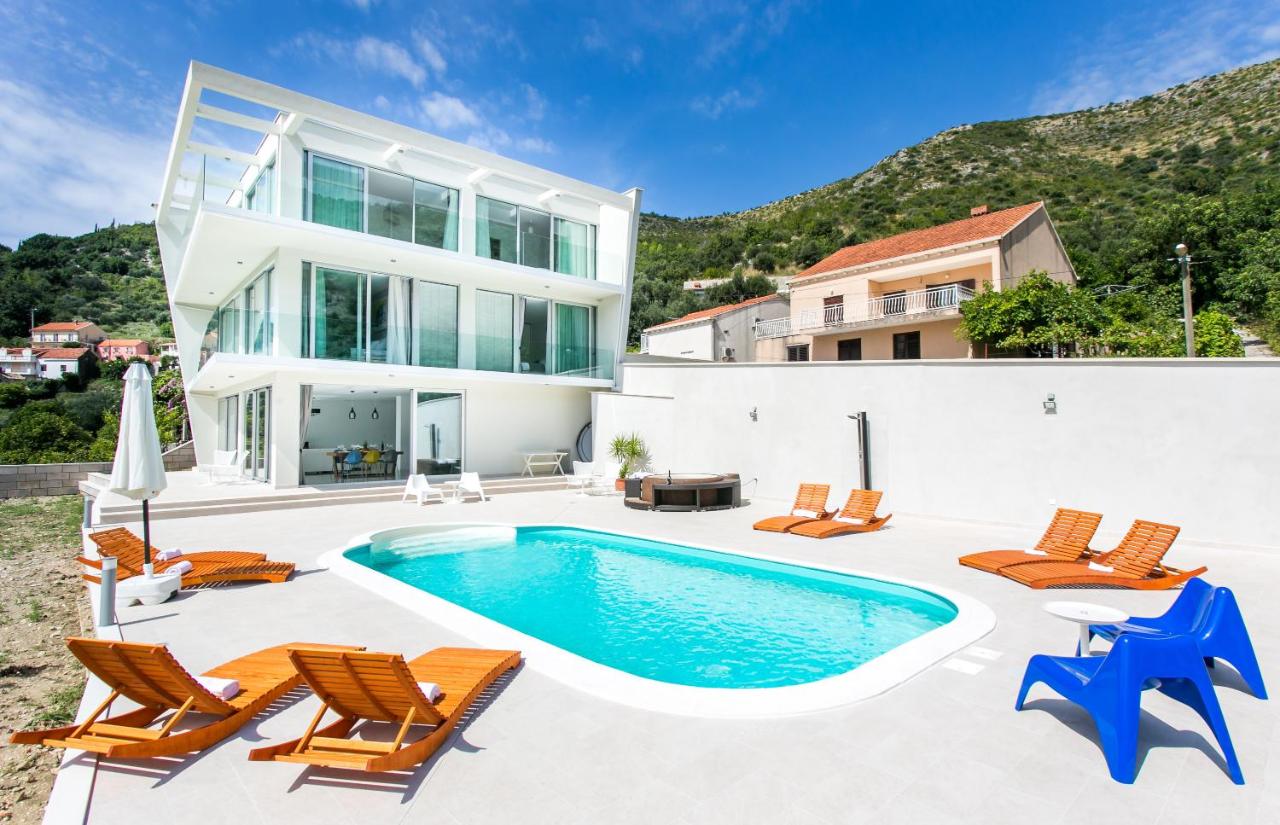
The reason Croatia works so well for second-home ownership is not just that the water is beautiful or that the old stone towns are photogenic. It is that the country offers a rare combination of Mediterranean atmosphere and practical legibility. There is enough infrastructure to support repeated use airports, marinas, service towns, property managers, seasonal transport but not so much saturation that every coastal setting feels flattened into the same global luxury formula.
That balance matters. Some Mediterranean markets deliver great prestige but too much friction. Others deliver ease but not enough distinctiveness. Croatia, especially along the southern coast, still allows ownership to feel personal. Buyers can move between heritage houses, turnkey villas, buildable plots, apartment houses, and island properties without feeling that the whole market has been reduced to one standardized product. That diversity makes it possible to align the property much more closely with the owner’s actual life.
For many internationally mobile families, that is the attraction. They do not necessarily want the loudest or most publicized Mediterranean address. They want a base that can serve several needs at once: family holidays, occasional guest hosting, shoulder-season rest, possibly some income logic, and above all a location that still feels emotionally rewarding after the first rush of acquisition fades. In that respect, owning property in Croatia can be unusually compelling. The coast still contains enough texture, scale, and functional reality to support living, not merely display.
The second home as a change of pace
Many buyers are drawn to Croatia because the coast still preserves a recognisable human scale. Even in places shaped by international tourism, there remains a strong sense of daily life: markets, harbour routines, family lunch rhythms, off-season repairs, boats being prepared or put away. A second home here can therefore become more than a leisure asset. It can act as a counterweight to metropolitan speed.
Cavtat is a particularly revealing example. It offers enough hospitality, marina life, and movement to feel connected, yet enough calm to support routine. A property there can imply privacy, space, hosting, and long stays. Another, closer to the water or organised for more flexible family use, may support guest turnover, mixed-age occupation, or semi-professional management. What matters is that both belong to an ownership culture larger than the summer postcard. They belong to a life that can be repeated with some elegance.
Foreign buyers often discover that the second-home question is less about pure status and more about repeatability. Can one return often? Can one arrive without drama? Does the place support both solitude and company? Can it move smoothly from a couple’s retreat to a family week, from a quiet spring stay to an August house full of guests? These are the measures that make ownership feel sustainable rather than merely glamorous.
This is also why the Croatian coast appeals differently from some more exhausted Mediterranean markets. It still permits a second home to feel like part of a lived coastal world rather than a sealed luxury bubble. One can still sense fishing rhythms, local errands, marina routines, and season changes. That texture often matters more over time than one additional spectacle in the first summer.

Seasonality is the real test of value
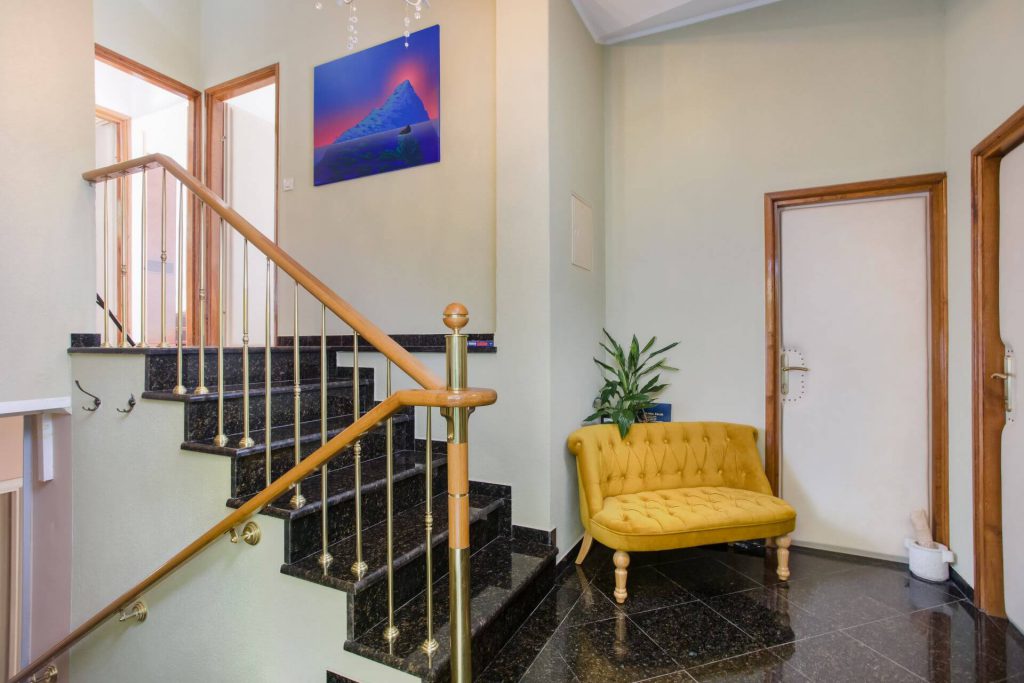
The Croatian coast is not a static environment. High season brings energy, social life, and easy services, but shoulder months often reveal the true quality of ownership. In spring, the coast can feel freshly habitable: cleaner air, gentler movement, fewer crowds, water beginning to warm, restaurants reopening with less performance. Autumn offers another form of pleasure, with slower harbours, softer light, and a stronger sense of local pace. Winter, meanwhile, tests the practical side of a property: heating, ventilation, storm exposure, caretaking, and moisture management.
Properties should therefore be judged by seasonal resilience. A dramatic summer house that feels damp, overexposed, or difficult in winter may still satisfy a purely holiday brief, but it will not support broader second-home use. This is one reason buyers increasingly value properties with good access, practical layouts, and manageable outdoor maintenance. Architecture must meet climate honestly. A house that only works in July is not truly luxurious; it is seasonally flattering.
The coast also changes psychologically with the calendar. Places that feel exuberant in August can feel strangely over-scaled in November. Other locations, more subdued in peak summer, become deeply attractive in April or October because they allow a less performative relationship with the sea and the town. Serious owners eventually learn these distinctions. They stop evaluating the house only at the height of season and start asking whether the wider setting remains persuasive when the temporary glamour lifts.
The off-season intelligence of good ownership
The best second-home owners in Croatia do not disappear after August. Even when they spend limited time on the coast, they think year-round. They have trusted managers, reliable trades, maintenance schedules, and a realistic sense of what the house needs when empty. Ownership becomes calmer when the off-season is planned rather than improvised. This is often the difference between a Mediterranean house that feels like a privilege and one that slowly becomes a source of background anxiety.
One of the clearest ownership tests: does the property still feel convincing when summer glamour is removed and only layout, climate behaviour, access, and management logic remain?

Remote management changes the entire ownership experience
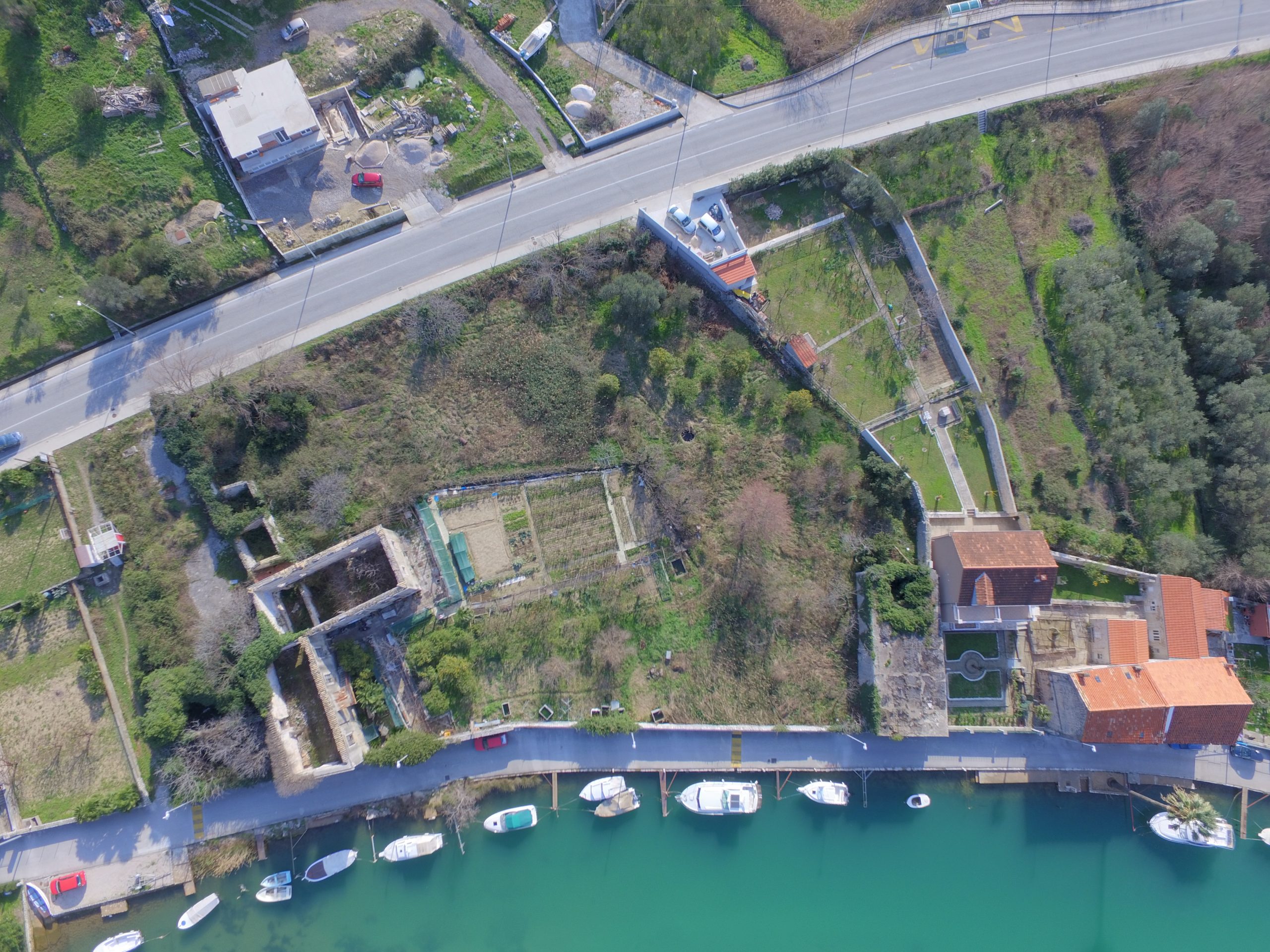
Remote ownership is now central to the Croatian second-home market. International buyers may spend only selected months on the coast, so the quality of local support becomes almost as important as the house itself. Garden care, cleaning, pool servicing, storm checks, utility monitoring, and guest preparation all require dependable systems. A house in a beautiful place can become a burden if these basics are weak.
This is one reason some buyers prefer properties in well-served positions rather than excessively isolated ones. The dream of absolute seclusion often softens once one considers deliveries, repairs, airport transfers, and the reality of arriving late at night in shoulder season. A strong second home tends to make absence manageable and return easy. It can remain closed for a period without feeling abandoned, and it can be reopened without turning each arrival into a minor project.
Different properties imply different management profiles. A larger multi-unit asset or apartment house may require a more active operational structure than a single-family villa. A seafront island house may demand more island-specific logistics but repay that effort with a more distinctive ownership experience. There is no perfect format, only alignment between property type and owner temperament. The mistake is to buy a house that presumes one style of management when the owner’s actual life only supports another.
For many buyers, the strongest remote-ownership model is not the one with the fewest responsibilities, but the one where responsibilities are clearly delegated. A trusted local manager, dependable housekeeping, regular technical checks, and predictable seasonal opening-and-closing routines can transform the whole ownership experience. The house becomes something one returns to rather than something one constantly worries about from abroad.
Seafront Apart-Home — Near Dubrovnik
A useful example for buyers thinking about repeatable coastal use, serviceability, and a format that can balance personal stays with a more structured management model.
Stone Apartment House — Dubrovnik Investment Asset
Helpful for understanding how ownership becomes more operational once a property supports guests, multiple units, or a stronger hospitality rhythm.
Seafront Villa on Koločep Island — Dubrovnik Area
Shows how island ownership can feel highly distinctive while also demanding a more deliberate view of logistics, access, and support.

Hospitality logic matters more than formal grandeur
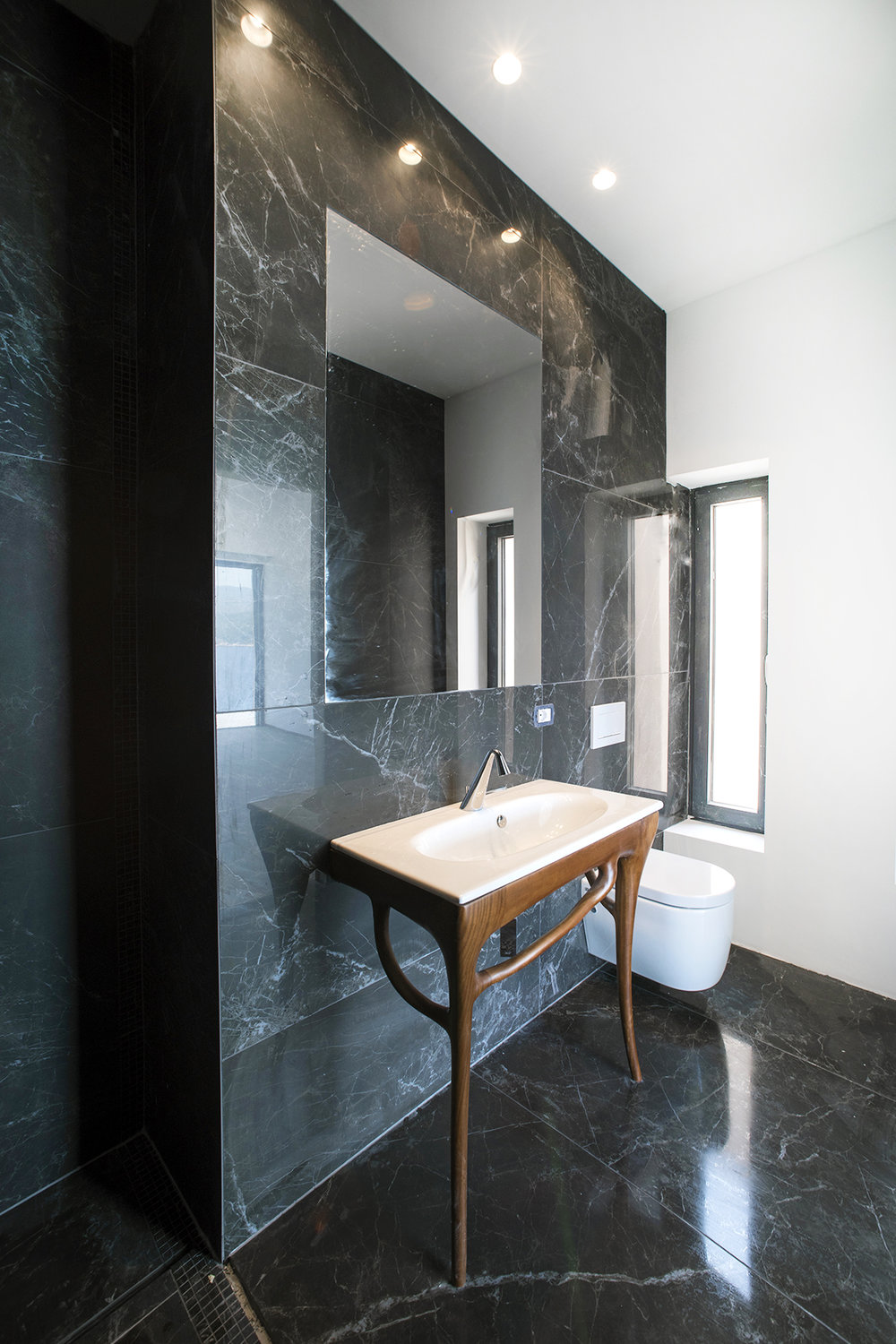
Mediterranean second homes are rarely purely private in the northern European sense. They tend to become social instruments. Friends visit, family extends stays, boats arrive, lunches lengthen, children bring others with them. The most satisfying Croatian properties are often those that can accommodate these expansions of household life gracefully. Guest independence, outdoor dining, shaded terraces, and a comfortable circulation between sea and kitchen matter more than formal grandeur.
This is where the culture of Adriatic living reveals itself. Houses are not always used to retreat from life; often they are used to rearrange life more pleasantly. The sea becomes part of the daily timetable. Towns become extensions of the home. Restaurants, marinas, and walking routes act almost like additional rooms. Buyers who understand this are less likely to over-focus on interior spectacle and more likely to prioritise place, rhythm, and how the house behaves once it fills with people.
The social dimension also explains why some apparently smaller or less ostentatious houses prove more successful over time than larger showpiece villas. A second home that allows guests to move independently, children to settle easily, and lunches to expand into evening without strain is often more luxurious in lived terms than one with greater formal ambition but weaker hospitality logic. The Adriatic rewards houses that are generous in use, not only in appearance.
Readers interested in how this lifestyle extends beyond the property itself can also move between destination experiences, and wider editorial guides on Cavtat Guide to understand how a second home fits into a larger coastal pattern of marinas, restaurants, day routes, and seasonal movement.

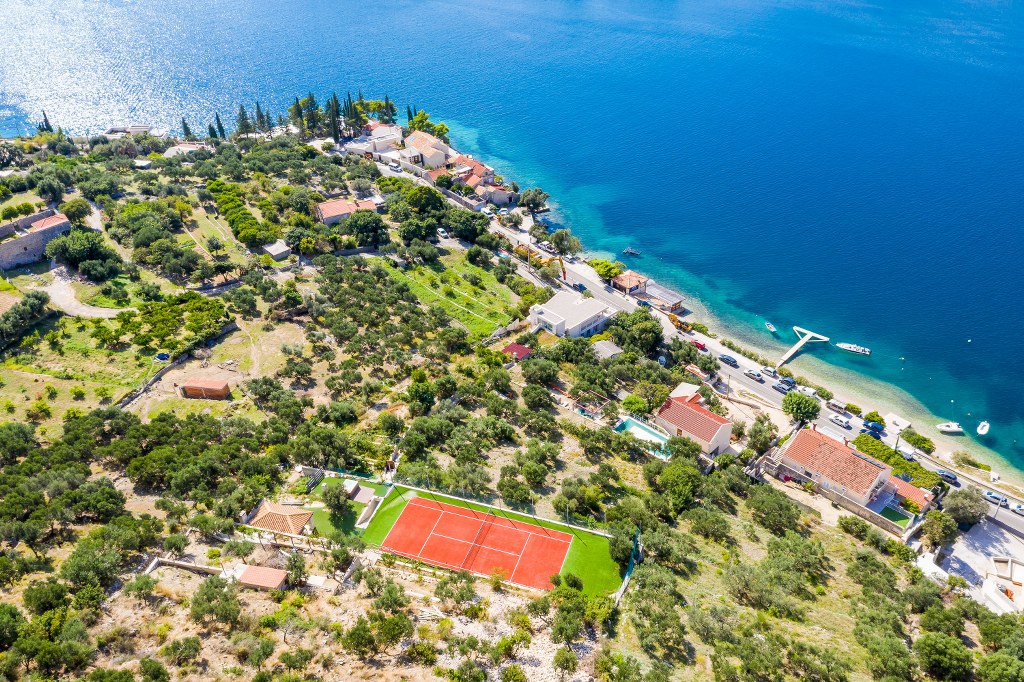
Location is not only scenic it is operational
When buyers search for a second home in Croatia, they often begin with scenery. But the strongest ownership decisions usually emerge from a more disciplined reading of location. A dramatic waterfront setting can be persuasive, yet still be awkward in daily use if airport access is poor, winter services are limited, or support networks are weak. Conversely, a slightly less theatrical micro-location can prove far more valuable if it supports repeated, low-friction use across the full year.
This is one reason the Dubrovnik Riviera and the Cavtat axis continue to attract serious international buyers. They combine cultural prestige, airport access, maritime infrastructure, and a calmer daily rhythm than Dubrovnik’s most intensely visited zones. For owners who want a home that can function as both a private base and a broader coastal operating point, that combination is powerful.
Location should therefore be judged not only by how a place looks from the terrace, but by how it behaves across many returns. Can groceries, repairs, dinner plans, and late arrivals all be handled without strain? Is there enough life in the settlement outside high season? Does the surrounding environment feel durable, or only briefly glamorous? These are the questions that distinguish scenic ownership from genuinely livable ownership.
What buyers often misjudge in a Croatia second home
One of the most common mistakes is to over-prioritize the first-season fantasy. Buyers imagine one perfect month and allow that imagined month to determine the whole transaction. The problem is that ownership is not a single month. It is a series of returns. A house that feels miraculous for ten days can become tiring if access is awkward, if guests must always be managed manually, or if the property requires more supervision than the owner’s real life permits.
Another common mistake is to treat all coastal property as if it belongs to one category. It does not. A heritage house in an old town, a seafront villa on an island, a modern house near a marina, and a multi-unit investment property near Dubrovnik all imply completely different ownership lives. The best buyers therefore become much more precise. They stop asking “what is beautiful?” and start asking “what is beautiful for the way I actually live?”
A third misjudgment is to underestimate the management dimension. On the Adriatic, ownership does not stop at purchase. Even a highly polished property still needs systems, people, and seasonal planning. International owners who understand this early usually enjoy the house more. Those who ignore it often end up with a place that is admired from afar but not used as often as expected.
The best Croatian second home is rarely the property that looks most perfect in one week of summer. It is the property that continues to make sense over many returns, in many moods, across many seasons.
Second-home value is not only financial
Seasoned buyers rarely ask only whether Croatian property will rise in value. They ask what kind of value the home produces while they own it. Does it save repeated premium hotel expenditure? Does it anchor family rituals? Does it support a yacht-led or sea-led lifestyle? Does it reduce decision fatigue rather than add to it? Does it allow the owner to experience the Adriatic repeatedly without reconstructing the entire trip every time?
From that perspective, second-home value in Croatia is both experiential and strategic. The house can be an asset, certainly. But it can also be a durable base that gradually absorbs travel costs, strengthens family continuity, and offers a sense of return that hotels, however beautiful, rarely provide. This is one reason second-home ownership along the Adriatic continues to attract buyers who are less interested in spectacle and more interested in a coherent life.
That broader understanding of value is also why certain Croatian properties continue to feel persuasive even when buyers compare them with more globally famous Mediterranean destinations. Croatia still allows ownership to carry emotional richness without requiring total theatricality. It still permits a house to feel like a real home in a real coastal setting, not simply an investment in leisure image.
| Second-home issue | Summer fantasy | Year-round ownership reality |
|---|---|---|
| Use pattern | One long holiday | Multiple shorter stays across seasons often matter more |
| Management | House sits waiting | Needs active care, checks, and servicing when empty |
| Location | Most dramatic spot possible | Best positions balance beauty with practical access |
| Design priorities | Showpiece interior | Outdoor living, ventilation, and guest flow are often more important |
| Lifestyle value | Escape from normal life | Creation of a repeatable, calmer rhythm of living |
Why many owners keep returning to the same house
The deepest appeal of a Croatian second home is often cumulative. The first season may be about discovery, but later seasons become about recognition. One learns the harbor staff, the boat route, the best market morning, the month when the sea feels most generous, the table on a terrace that catches the last light. This is how a second home stops being a possession and becomes a private geography.
For foreign owners, that repetition can be surprisingly grounding. In a world where travel often emphasizes novelty, the second home offers familiarity without monotony. The house remains the same, but the coast alters around it: spring herbs, mid-summer intensity, September calm, the first winter storms. Buyers who understand this are less likely to chase pure spectacle and more likely to choose a property that supports return. In the end, that may be the best test of all: not whether the house impresses visitors on first arrival, but whether its owners still want to come back, again and again.
This is also why the strongest properties are rarely judged only by their first-season glamour. They are judged by whether they keep earning return. Do they remain inviting in different weather, with different guests, under different levels of energy? Do they support both celebration and quiet? Do they become easier to inhabit over time rather than more difficult? If the answer is yes, the second home has succeeded at the deepest level.



Frequently Asked Questions
What makes a Croatia second home successful over time?
The strongest second homes combine beauty with repeatability. They remain desirable across seasons, are manageable when empty, and support both quiet stays and guest-heavy periods without strain.
Why is off-season performance so important for Adriatic property?
Because a house that only feels convincing in peak summer is not truly resilient. Heating, ventilation, moisture control, access, and the mood of the surrounding town all become much more revealing outside high season.
Is remote management a major issue for Croatian second homes?
Yes. For many international owners, remote management is central. Reliable local support, opening-and-closing routines, technical checks, and trusted housekeeping can shape the ownership experience as much as the property itself.
Should buyers prioritize dramatic views or practical access?
The best properties usually balance both. A dramatic location can be emotionally powerful, but if access is too difficult or servicing becomes awkward, long-term ownership may weaken. The upper market rewards houses where beauty and practicality support one another.
Why do owners keep returning to the same Adriatic house?
Because the house gradually becomes a private geography. Over time it holds routines, memories, favourite routes, and seasonal patterns that make return feel more meaningful than novelty elsewhere.
Conclusion
Owning a second home on the Adriatic is ultimately about rhythm rather than display. Croatia appeals because it still allows owners to build a seasonal life that feels grounded, maritime, and human in scale. The best properties are not just beautiful in photographs. They continue to make sense in March, in October, and in the ordinary moments between guest arrivals. That is when a Mediterranean dream becomes an inhabitable reality.
For many owners, the greatest luxury is not the view alone, but the way the house gradually joins the pattern of their life. It becomes a known harbour rather than a single-season spectacle. It holds memory, but also supports repetition. It teaches the owners how the coast moves through the year, and in doing so it offers something rarer than status: continuity.
That is why living on the Adriatic, even part-time, remains so attractive. It is not just about escape. It is about establishing a second center of gravity one shaped by sea, season, return, and the kind of attention that modern life too rarely permits. For buyers evaluating a Croatia second home, that is the real opportunity: not only to own coastal property, but to own a version of life that keeps rewarding return.
Planning a second home in Croatia?
Tell Cavtat Guide your budget, preferred location, and lifestyle priorities, and we will help you think through the right property, the right ownership model, and the right Adriatic rhythm.