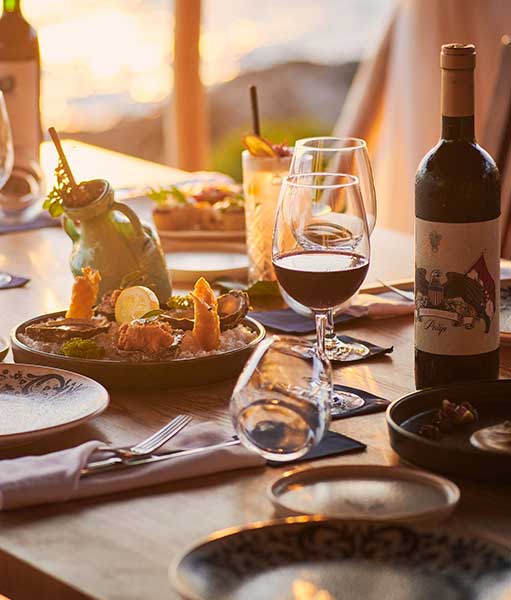
Most visitors first understand Konavle through scenery: the broad field behind Cavtat, the line of cypresses, the villages under Sniježnica, the sea reappearing at the cliffs. Wine makes the landscape legible. It explains why the region feels so cultivated without ever seeming manicured, why meals here often arrive with unusual certainty about what should be in the glass, and why a drive of twenty or thirty minutes inland can change the tone of a stay completely. For Cavtat Guide readers, Konavle’s wines matter because they offer one of the most intelligent half-day or full-day excursions in the Dubrovnik region. They move the conversation away from crowd-heavy sightseeing and towards land, labour, hospitality and local confidence. This is not a directory dump. It is a route through a real wine region whose scale rewards curiosity rather than spectacle.

Official destination material for Konavle consistently presents wine as a central part of local gastronomy, with Dubrovnik Malvasia and Plavac mali among the varieties most associated with the region’s offer. Rural tourism listings on the local tourist board site also show how deeply wine sits inside a broader farm economy: many households combine vines with olive oil, honey, vegetables, brandy and traditional cooking. That matters to travelers because it changes the style of the visit. You are rarely entering a sterile tasting room detached from place. More often you are stepping into a family landscape where wine is one expression of a much larger agricultural life.
Why Konavle works as a wine region
Konavle is unusually persuasive because of its proportions. It is large enough to sustain distinctive producers, but compact enough that a visitor based in Cavtat can explore it without logistical fatigue. The valley floor, the gentle slopes and the more historic village cores all contribute different textures to the experience. Some tastings are about polished bottles and professional presentation; others are rooted in courtyards, field houses or rural households where wine remains inseparable from lunch, stories and the timing of the day. The region benefits from the climatic logic of southern Dalmatia, but it avoids the scale and self-consciousness that can make more famous wine routes feel performative.
There is also a historical advantage. Dubrovnik’s old mercantile culture always depended on systems beyond the city walls: hinterland supply, rural production and disciplined exchange. Konavle formed part of that wider food and agricultural geography. So when modern tourism boards describe Malvasia dubrovačka as a wine once linked to the ceremonial life of the Republic, they are not inventing grandeur for marketing purposes. They are pointing to the long entanglement between wine, protocol and regional identity.
The grapes you should actually know
For many travellers, the entry point is Malvasia dubrovačka. In local tourism and producer material, it appears as the prestige white of the area, sometimes presented almost as a diplomatic grape: the bottle that can stand for the region when words fail. The useful thing to know is not just that it exists, but why it matters. It offers the wine route a local centre of gravity. Even when producers also make Merlot, Cabernet Sauvignon, Maraština, Plavac mali or other familiar varieties, Malvasia gives Konavle a clearer sense of place.
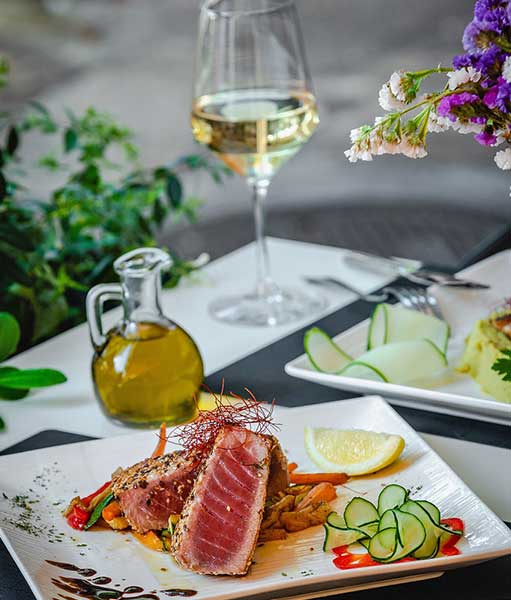
Beyond Malvasia, travellers will encounter a mixed conversation between indigenous prestige and practical adaptation. Merlot appears frequently in official producer descriptions. Maraština is noted by the tourist board in the Vodopić listing. Plavac mali remains part of the wider regional frame, even if some estates in Konavle foreground other varieties more strongly. This mixture is not a weakness. It reflects the reality of many Adriatic wine regions, where local identity and broader market fluency coexist. The smartest tasting approach is therefore comparative. Ask not only what the house makes, but what the house believes represents Konavle best.
| Variety | Why it matters in Konavle | What to notice as a visitor |
|---|---|---|
| Malvasia dubrovačka | The region’s signature white and the grape most closely tied to local prestige. | How producers frame it: ceremonial, gastronomic, historical or modern. |
| Maraština | A recurring white variety in producer descriptions and local tastings. | Its role beside Malvasia and how it behaves with lighter dishes. |
| Merlot | Commonly grown and often used to give red programmes commercial strength. | Whether the style feels international or anchored in local food culture. |
| Plavac mali | Important to the wider southern Dalmatian wine story and present in regional discourse. | How hosts connect it to the broader Adriatic rather than only Konavle. |
Which producers deserve space in a 2026 itinerary
Official rural tourism listings offer the most reliable starting map. Crvik Winery in Komaji remains one of the clearest reference points for travellers wanting a dedicated winery visit with regular opening structure. The tourist board listing positions it as a year-round operation with wine tasting and a defined contact framework, which usually signals a more formal and visitor-ready experience. Vinery Malvasia Karaman in Pridvorje is particularly useful for readers who want the regional story told through Malvasia itself; the official description explicitly foregrounds the family’s champion Malvasia and places the tasting house in the historic fabric of Pridvorje, close to important heritage sites. That geographical detail matters: it allows wine and architecture to sit in the same excursion rather than in separate mental boxes.

OPG Ivo Vodopić deserves attention because the local tourism material gives a concrete sense of setting: a traditional field cottage in the vineyard, with Malvasia, Maraština and Merlot all named in the offer. That combination makes it especially attractive for travelers who want to feel the agricultural environment rather than simply taste in a polished room. Agroturizam Konavle Brautović is important for another reason. The official description speaks not only of wine and local brandy but also olive oil, seasonal vegetables and traditional cuisine in a centuries-old rural complex in Močići. In practice, this makes it ideal for travellers who value the total farmstead experience over narrow oenological focus.
Other names on the official local map also merit planning attention: Crvik, Botaro, Karaman, Miličić, Letunić’s Leatus tasting room, and Zlatovišće each represent slightly different balances of wine, food and rural hospitality. Not every visitor needs to collect them. In fact, most trips improve when you choose two visits well rather than chase six badly. Konavle is at its best when the day has room to breathe.
How to choose between them
The practical distinction is simple. Choose a more winery-led stop if the purpose of the excursion is the wine itself: tasting, comparison, buying and talking about grape material, cellar approach and house identity. Choose a rural household or agrotourism stop if the goal is to understand how wine lives inside a broader local system that includes bread, olive oil, garden produce, honey, preserved fruit, rakija and family hosting. Serious travelers usually combine one of each.
How to plan the route from Cavtat
One reason the Konavle wine circuit works so well for Cavtat-based travelers is that it respects holiday energy. You do not need a dawn departure, heroic logistics or an overnight bag. A late-morning start is often best, especially outside peak summer. Drive or arrange transport into the inland villages, build one major tasting before lunch or early afternoon, and then decide whether the second stop should be a deeper wine visit or a meal-centred rural household. Pridvorje, Komaji, Mihanići and Močići all fit within a coherent route logic when approached from Cavtat.


For travelers staying in Dubrovnik, the same route is possible but slightly less elegant. Cavtat is the better base for Konavle because it reduces friction and softens the urban jump. A visitor can spend the morning by the water, go inland for wine, and still return to the promenade for dinner. That is one reason our own broader regional coverage often treats Cavtat as a strategically useful rather than merely scenic base. It gives access to the sea and the agricultural interior without making either feel like a compromise.
Tasting behavior that makes the day better
Wine tourism is ruined as often by behavior as by poor planning. Konavle rewards a slower, more observant style. Do not arrive as if you are auditing a luxury brand. Ask what is grown, what has changed, what the family wants visitors to understand, and what should be tasted with food rather than alone. If olive oil or honey appears as part of the table, treat that not as a digression but as part of the region’s agricultural syntax. This is especially important in mixed farm settings like Brautović or Letunić, where categories blur for good reason.

It is also wise to avoid overloading the palate. Southern days are warm, portions can be generous, and many tastings include bread, cured products, sweets or brandies. Two carefully chosen visits are usually enough. A third stop can work if it is a heritage site, a riverside walk or coffee rather than another full tasting. Visitors who try to optimize every hour often end up flattening the very atmosphere they came to experience.
What wine reveals about Konavle beyond the bottle
The strongest reason to go wine tasting in Konavle is not the purchase of wine. It is the way wine reveals the region’s social character. The villages are not stage sets for tourists; they are working places with seasonal rhythms, agricultural memory and a continuing pride in what is produced locally. When the local tourist board highlights wines alongside traditional cuisine, rural tourism and living tradition, it is reflecting a coherent cultural reality. Wine is one part of how Konavle describes itself to others, but it is not separable from embroidery, folklore, olive oil, family agriculture and the discipline of hospitality.
This is why the best wine day often spills usefully into other forms of regional understanding. A visit to Pridvorje can connect wine with monastic and republican architecture. A route through Močići or Komaji can connect vines to food and village form. A return to Cavtat can bring the inland day back to the coast, where a glass on the promenade suddenly carries different weight because you now know something about the land behind it.
2026 expectations: what visitors should assume and what they should not
For 2026 planning, assume that advance contact is sensible, especially for smaller producers and family holdings. Official listings show that some operate with fixed hours while others request prior notice. Do not assume every estate functions like a high-volume international tasting room. Konavle remains strongest precisely because it has not lost its proportion. Equally, do not assume that a polished website automatically means the most meaningful experience. Some of the most rewarding visits are those where wine is still embedded in a broader household economy and the conversation moves naturally from vines to oil, bees, weather, recipes and memory.
Travellers should also be realistic about season. Spring and early autumn are especially strong because the countryside reads well, the roads are easier, and the day can still return gracefully to Cavtat. High summer works, but it benefits from early booking and an acceptance that the excursion is best handled at a measured pace rather than under midday pressure. In winter, some visits may be possible, but the route becomes less about abundance and more about deliberate arrangement.

The case for making wine part of a Cavtat stay
A good Cavtat itinerary needs contrast. Too many coastal holidays collapse into one register: swim, lunch, stroll, dinner, repeat. Pleasant, yes, but not very memorable. Konavle’s wine region supplies a more intelligent rhythm. It introduces agricultural depth, historical continuity and another version of regional confidence. It also makes other Cavtat experiences sharper. After a day inland, a seafood dinner by the water feels less generic. The olive oil on the table has context. The local white has context. Even our own food coverage, including Cavtat dining recommendations, becomes more meaningful when the visitor has met the countryside behind the menu.
The final argument for Konavle’s wines is therefore not simply that they are good, though many are. It is that they return the Dubrovnik Riviera to scale. They show that the region is not only a set of coastal views orbiting Dubrovnik’s fame, but a layered cultural landscape with its own agricultural dignity. In Konavle, wine still belongs to households, fields, courtyards and tables. That is why it travels so well into memory. You do not just remember what you drank. You remember where the bottle made sense.


Need help choosing the right experience?
Tell us your budget, dates, and travel style, and Cavtat Guide will help you choose the best yacht charter, tour, property option, or local experience.