In Cavtat and across Konavle, the feast of Saint Nicholas is not simply a December date on a parish calendar. It sits at the meeting point of religion, memory, childhood, seafaring symbolism and the first real feeling that winter has entered local life. For travelers who know Cavtat mainly as a summer waterfront of pines, harbour light and café tables, Saint Nicholas offers a different reading of the town: one built around family routines, churchgoing, shoes left ready the night before, the idea of protection, and the older Adriatic conviction that the sea and the household both require blessing. To understand this feast is to understand how a place famous for sunshine continues to organize its emotional year around ritual repetition.
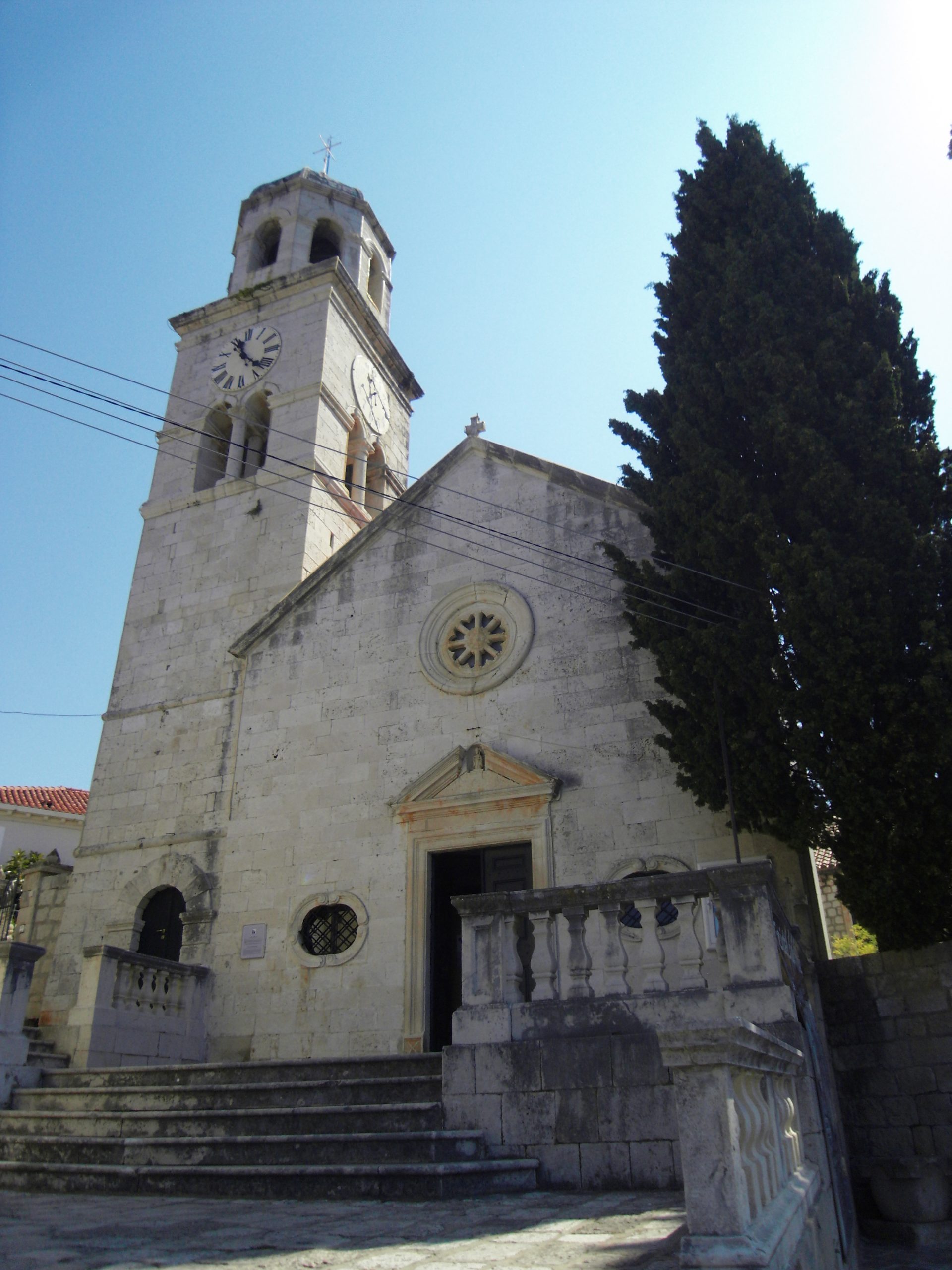
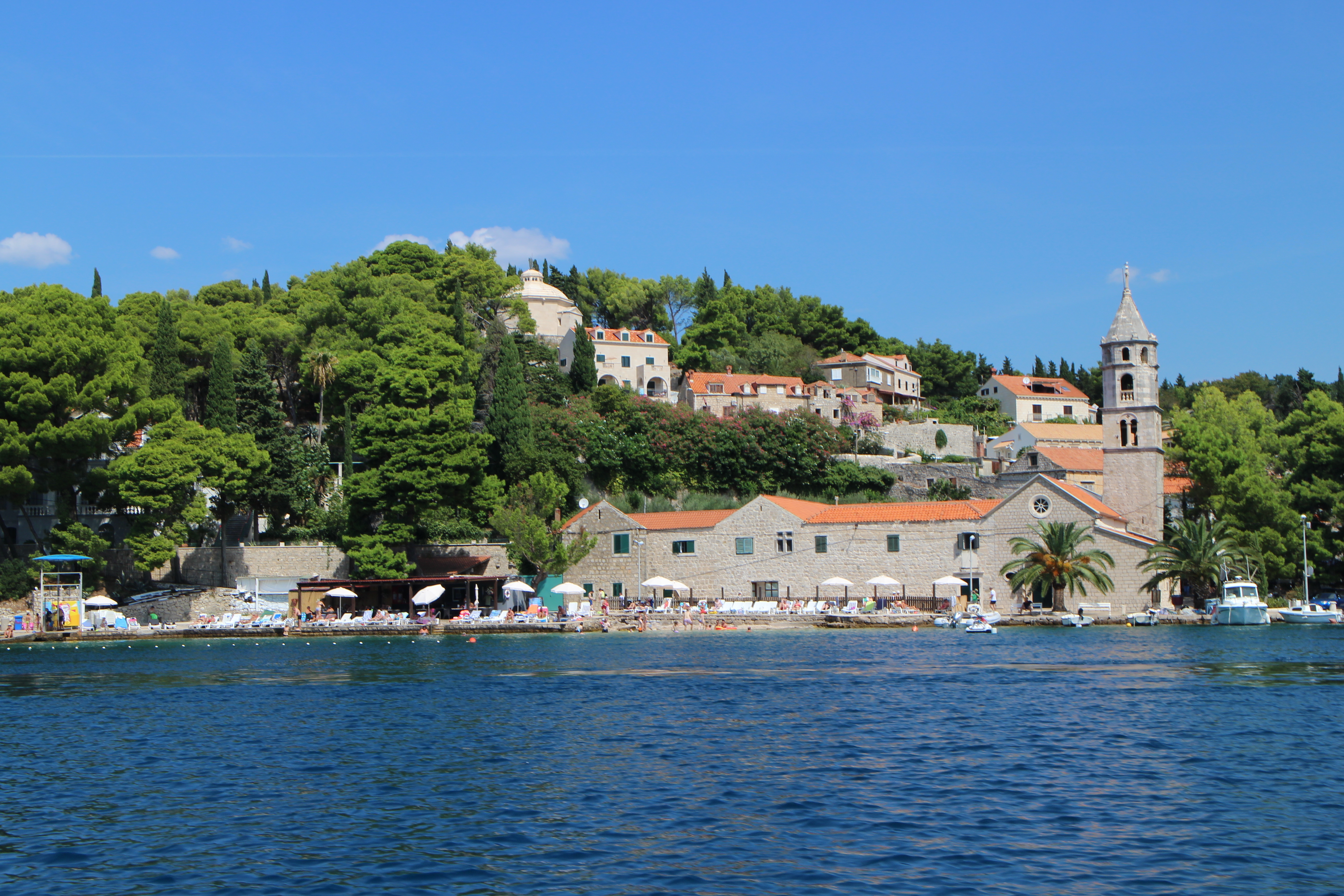
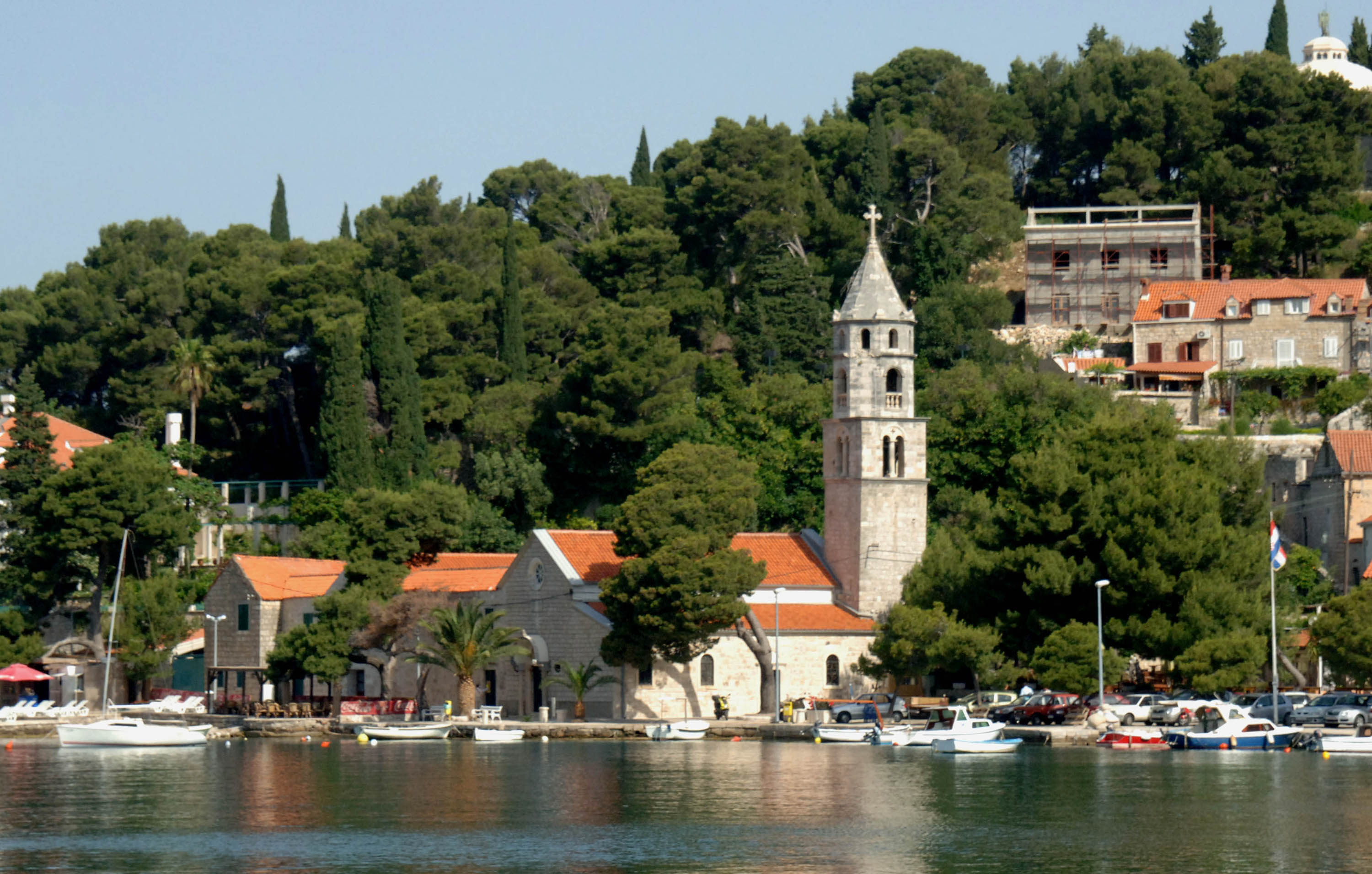
Saint Nicholas matters in southern Adriatic culture for obvious theological reasons and for practical ones. He is the patron saint of sailors and children, a figure who speaks equally to maritime danger and to domestic tenderness. In a town whose history was shaped by shipping, migration, patronage and Catholic devotion, that double role is important. Cavtat’s own parish church of St Nicholas was built in the fifteenth century and later remodeled several times, while its church gallery, founded in 1952, preserves paintings, sculpture and liturgical vessels that show how local devotion also became a keeper of art. That alone tells a larger story: the feast is not only lived in custom but also stored in objects, images and sacred space.
Why Saint Nicholas still feels alive here
Part of the answer is simple. The feast survives because it belongs to habits that are small enough to repeat. Children polish or arrange their shoes. Families exchange sweets, fruit, walnuts or modest gifts. Adults remember what their own parents did. Priests and parish communities preserve the liturgical frame. Even when lifestyles modernise, the ritual remains manageable; it does not require spectacle to endure. In Cavtat and Konavle it is also supported by an older landscape of Catholic identity in which parish feasts are part of the grammar of place, not an optional decorative layer.
There is also the maritime dimension. Along the Adriatic, Saint Nicholas has long carried associations with protection in transit. Even for residents no longer directly involved in seafaring, the patronage still resonates in a coastal setting where so many family histories are linked to boats, harbours, captains or work abroad. The symbolism fits Cavtat unusually well. You do not need to romanticise it. It is enough to notice that the town’s religious life, port history and emotional memory line up around the same figure.

The feast in family memory
Ask local people about Saint Nicholas and many will begin not with theology but with childhood. The rhythm is familiar across Croatia and much of Central Europe: the evening before the feast, children place shoes or boots by a window or door; by morning they hope to find something good inside. What matters is not the scale of the gift but the recognisable choreography of expectation. The ritual marks the start of a particular winter feeling, one that is gentler and older than the louder commercial peak later in December.
That emotional register is important for travelers to grasp. In places like Cavtat, ritual continuity often survives because it is carried through family atmosphere rather than overt instruction. Grandparents repeat what they knew. Parents adapt it slightly but keep the outline. A child who receives a chocolate figure or a bag of dried fruit is participating in a chain of remembrance, whether or not they could name it as such. The feast therefore works on two levels at once: a public saint’s day and a private household inheritance.
What the ritual usually signifies
| Element | Usual meaning in local life | How a traveler may notice it |
|---|---|---|
| Children’s shoes prepared the night before | Expectation, moral instruction, family continuity | Mentions in conversations, school and parish atmosphere |
| Sweets, fruit or small gifts | Reward and affection rather than display | Modest seasonal gifting rather than lavish presents |
| Mass and parish observance | Liturgical frame of the feast | Greater activity around the parish church |
| Saint Nicholas as sailors’ patron | Protection, safe passage, coastal identity | A stronger coastal resonance than inland celebrations |
| Winter civic mood | The social beginning of December | A calmer, more local pre-Christmas atmosphere |
Because the feast is so bound to childhood, it is also one of the clearest examples of how winter identity is transmitted in Cavtat and Konavle. Summer is visible to outsiders; winter belongs more decisively to residents. Saint Nicholas gives visitors a brief, respectful entry into that inward season.

Seen in that light, the feast is not sentimental nostalgia. It is a working mechanism of belonging. It tells younger generations which values are still worth rehearsing: generosity, obedience, blessing, restraint, anticipation, and the idea that winter should gather people rather than scatter them.
The church, the town, and the civic atmosphere of December
Every strong local feast has a geography. In Cavtat, the parish church of St Nicholas is central to that geography not merely because services take place there, but because the building itself concentrates layers of historical memory. Official heritage descriptions note the church’s fifteenth-century origins, later remodelings, Carmello Reggio’s early nineteenth-century altarpiece and Vlaho Bukovac’s four Evangelists from 1910. In other words, devotion here has been continuously refurbished rather than frozen. The feast of Saint Nicholas unfolds within a church that already embodies continuity through change.


Outside, the civic atmosphere of early December in Cavtat is markedly different from high season. The promenade is quieter; the town becomes acoustically smaller. The feast therefore acquires greater weight. A winter liturgy can shape the mood of the whole day in a way that would be harder in August. In Konavle’s villages the same principle applies even more strongly: parish time can still feel like community time.
There is a useful lesson here for travelers. Off-season tradition is easier to perceive when you stop looking for entertainment and start paying attention to cadence. A bell, a school decoration, a family errand, a bakery line, a conversation after Mass: these modest signs often tell you more than an advertised event program.

Saint Nicholas and the wider Adriatic winter
Although the feast is local in its expression, it belongs to a broader Adriatic and Catholic winter culture. Across the coast, saints’ days historically structured both devotion and social time. They provided a map through the darker months, linking weather, liturgy, household preparation and communal memory. In Cavtat and Konavle, Saint Nicholas sits early in that sequence, before the larger Christmas cycle gathers force. He is a threshold figure.
This wider context helps explain why the feast feels more serious than a children’s custom alone would suggest. The saint’s patronage of sailors ties him to the sea; his association with children ties him to the home; his place in the Church calendar ties him to collective time. Few figures connect those domains so neatly. That is one reason he remains resonant in coastal Croatia.

How to experience the feast respectfully as a visitor
The first rule is not to treat it as folklore staged for outsiders. Saint Nicholas in Cavtat is best encountered through attention rather than consumption. Visit the parish church respectfully. Notice devotional details. Speak softly. If parish information is available, read it. If local seasonal programming exists, follow it, but do not assume the point is performance. The emotional core of the feast remains domestic and devotional.
Visitors staying longer in Cavtat may find that Saint Nicholas also changes how they understand later December. Once you have seen the feast in context, Christmas itself feels less like a sudden tourist season and more like the culmination of a lived sequence. That sequence matters in regional identity: feast, preparation, parish life, food, family, weather, memory.


A sensible rainy-day pairing is the parish church with winter reading on the region or a museum visit such as Bukovac House, which remains open year-round according to local tourism information. That combination deepens the visit: not only worship or architecture, but a fuller sense of how Cavtat keeps its cultural life active outside summer.


Even a theatrical or heritage-oriented introduction to the town becomes richer once Saint Nicholas has been understood as part of the social calendar rather than an isolated religious detail. The same streets, houses and harbour begin to read differently.
Conclusion: a winter key to Cavtat
The feast of Saint Nicholas gives Cavtat and Konavle a winter key: a way of reading the region through intimacy rather than spectacle. It reveals how religious life continues to organise memory, how coastal identity still carries maritime symbolism, and how childhood customs remain one of the strongest vehicles of continuity. Visitors who encounter the feast seriously will leave with a better understanding not just of one saint’s day, but of the town itself. Cavtat is often admired for its summer composure; Saint Nicholas shows how that composure is sustained by older habits of care, blessing and repetition when the season turns cold.

Need help choosing the right experience?
Tell us your budget, dates, and travel style, and Cavtat Guide will help you choose the best yacht charter, tour, property option, or local experience.