

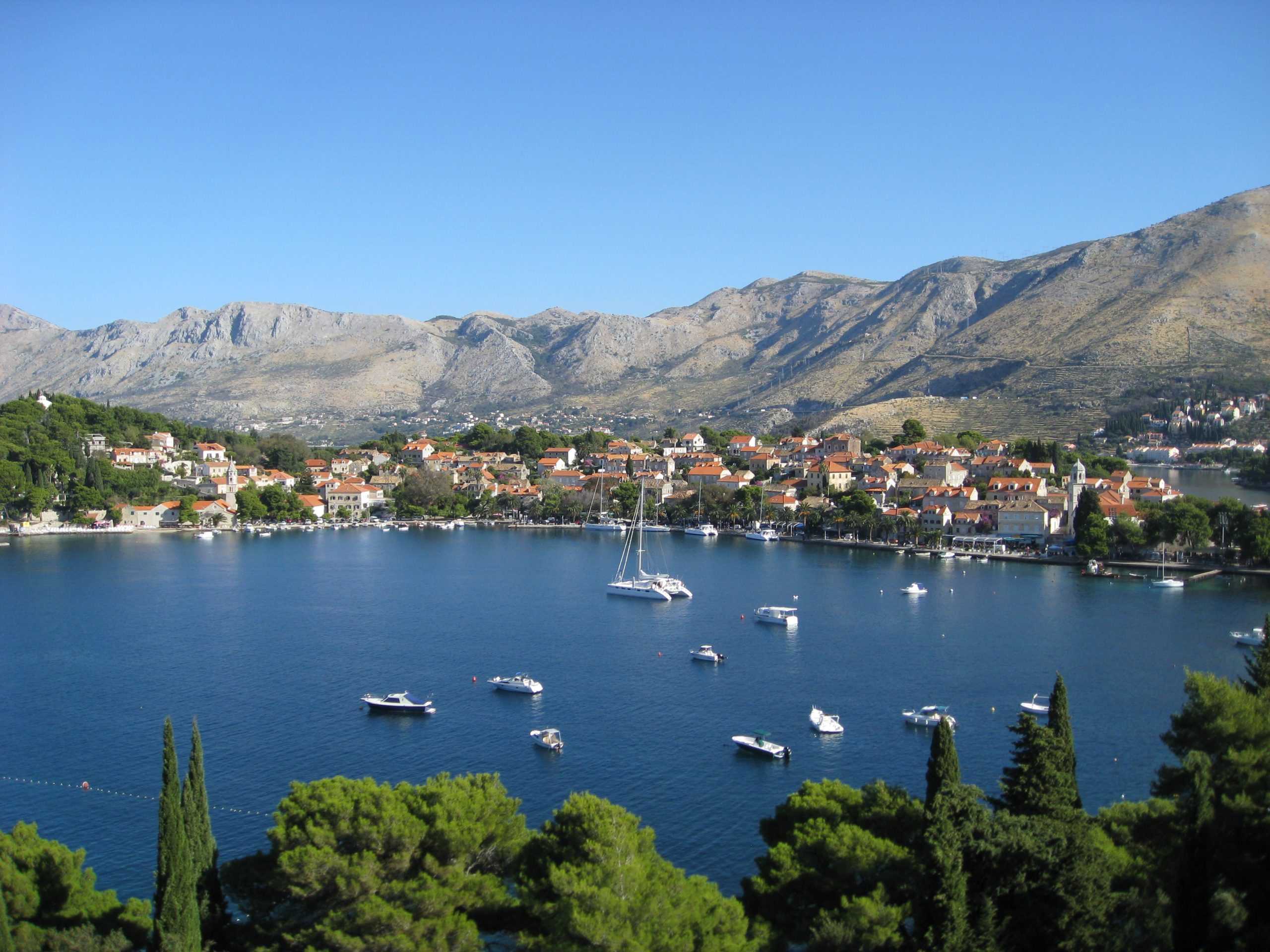
Croatia’s next chapter in yachting is not about becoming another version of the Riviera. It is about understanding what the Mediterranean market lacks in 2026 and answering that gap with precision. For years the country was discussed in broad terms: a beautiful coastline, a strong sailing culture, island density, clear water, and a summer charter product that could feel generous relative to more saturated western Mediterranean hubs. Those advantages remain real, but the conversation has moved on. The question for Croatia now is whether it can convert nautical popularity into a more complete high-end platform: one that can serve charter guests, yacht owners, brokers, marina developers and luxury hospitality investors at a far more sophisticated level.
That question matters because the Mediterranean itself is changing. Charter guests are not abandoning the classic circuits, but they are increasingly weighing crowding, berth pressure, pricing opacity, transfer fatigue and the sense that some famous destinations have become too performative to feel restorative. In that context, Croatia gains importance not merely because it is attractive, but because it can offer a different logic of movement. Distances are workable. The coastline feels varied without demanding heroic passages. It is possible to combine heritage, anchorage, swimming, dining and privacy within a single week without turning the charter into a logistical marathon.
Yet advantages in geography do not automatically produce premium positioning. High-end charter is cumulative. It is shaped by airport arrival, immigration ease, tender landings, provisioning, technical support, shore-side partnerships, culinary quality, villa backup options, crew accommodation, berth atmosphere and the tone set by everyone who touches the guest journey. Croatia’s next era therefore depends less on declaring itself luxury and more on building the systems that make a luxury claim feel obvious.
From charter hotspot to yachting platform
There is a meaningful difference between a popular charter destination and a true yachting platform. A hotspot can thrive on summer demand. A platform supports broader value creation. It attracts repeat guests, quality vessels, marina investment, owner confidence, service talent and complementary real-estate or hospitality development. The former is seasonal and somewhat fragile. The latter is strategic.
Croatia’s opportunity is not to sell more sea. It is to organise the sea, the shore and the service culture into a premium ecosystem that wealthy guests can trust.
In 2026 Croatia shows increasingly clear signs of moving toward that second model. The marina network is established. Dubrovnik remains globally legible. Split and the central Adriatic continue to underpin volume and fleet depth. Interest around new developments, including projects with marina and yacht-club ambitions in the Cavtat area, suggests that investors see the southern Adriatic not only as a holiday landscape but as a long-term luxury node. That matters because the premium guest is buying confidence as much as scenery. Confidence comes from visible investment.
That confidence is reinforced by the existence of established operators such as ACI Marinas and by emerging southern Adriatic ambitions visible through projects such as Marina Resort Cavtat, which points to how seriously investors increasingly view this coastline.


The southern Adriatic is especially interesting in this regard. Dubrovnik already has the global awareness that most destinations spend decades trying to build. Cavtat adds scale, calm and proximity to the airport. Nearby marinas and anchorages create practical flexibility. If those pieces are joined with better boutique hospitality, stronger concierge standards and more consistent premium transport, the region can become more than an embarkation point. It can become a preferred base.
Where Croatia competes well
Density without chaos
The Croatian coast offers one of the most commercially useful yachting attributes in Europe: there is enough to do without forcing constant over-scheduling. That may sound modest, but it is exactly what affluent clients increasingly value. A charter needs range, but it also needs ease. The Adriatic provides that through a chain of islands, walled towns, bays, restaurant stops and swim anchorages that can be combined in numerous ways without eroding the sense of holiday. That is particularly powerful for multigenerational groups, who usually need optionality more than relentless novelty.
Aviation and access
Luxury markets live or die by friction. Dubrovnik’s air access and the short transfer from the airport to Cavtat are not glamorous talking points, yet they are among the region’s most valuable assets. A guest arriving for a four- or seven-night charter notices every unproductive hour. The ability to land, transfer quickly and settle into a yacht or waterfront hotel changes the perceived quality of the whole trip. It is one reason the region can credibly appeal both to week-long summer charters and to shorter, more flexible luxury breaks.
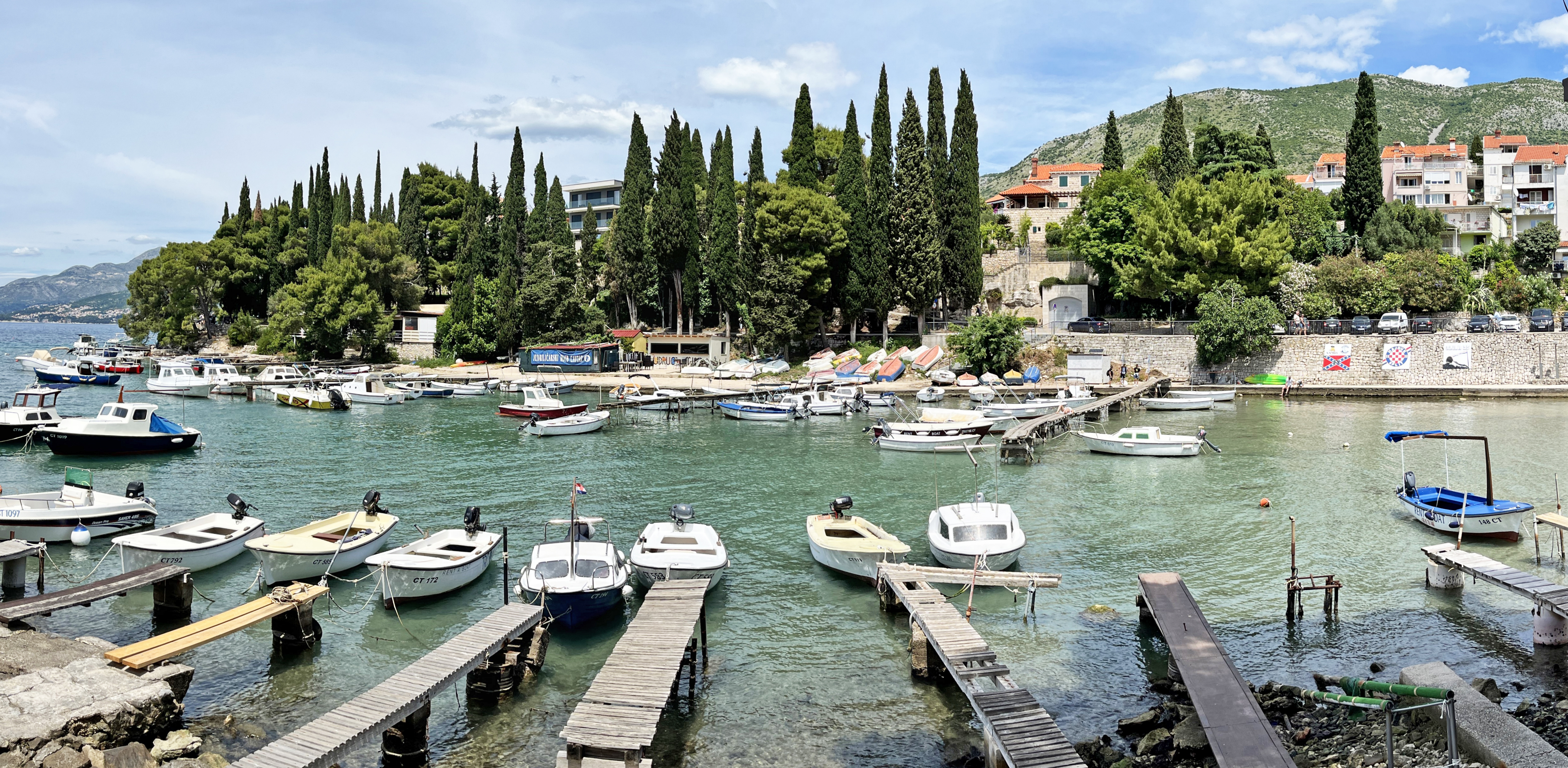

For readers already exploring Cavtat through local hospitality pieces such as this Hotel Croatia review or destination dining coverage like Cavtat Guide’s Michelin-oriented feast feature, the point is not merely that Cavtat is pleasant. It is that the town sits in a highly advantageous operational position. In 2026, luxury travel increasingly rewards those nodes where travel time collapses and experience quality expands. Cavtat is one of them.
The emotional register of the destination
The western Mediterranean often trades on spectacle. Croatia can trade on calm. That is not a secondary value. For many affluent guests it is the value. The country still offers lively ports and high-season energy, but it also offers a more measured emotional register: a slower visual rhythm, less social pressure, and a cruising environment that feels less determined to turn every stop into a performance. In a luxury market that increasingly prizes understatement, that difference can be monetised.

Where Croatia still lags
The country’s weaknesses are not fatal, but they are instructive. At the top end, service consistency remains uneven. One can find excellent crews, excellent restaurants and excellent support partners, yet the premium guest still encounters moments that feel too improvised. This does not necessarily damage a mainstream boating holiday. It does matter for ultra-premium business, where the promise is not simply enjoyment but certainty.
| Area | Croatia’s current strength | What would strengthen premium positioning |
|---|---|---|
| Marina network | Wide and established | More boutique luxury marina experiences in the south |
| Destination storytelling | Strong natural and heritage assets | Sharper luxury-market narratives aimed at charter clients and investors |
| Service culture | Good pockets of excellence | Higher consistency across transfers, provisioning and concierge layers |
| Shoulder season appeal | Growing interest | More curated year-round product and hospitality programming |
| Technical ecosystem | Functional and improving | Stronger visible support for larger yachts and owner services |
Another challenge is the gap between mainstream nautical tourism and high-end charter positioning. Croatia is successful in both boating and tourism, but the very breadth of its appeal can blur its premium message. Luxury yachting requires clearer differentiation. A guest chartering a crewed yacht or evaluating a southern Adriatic base wants to know that the destination understands discretion, private access, wellness, security, provisioning quality and highly personalised shore programming. That story exists in Croatia, but it is not always articulated with enough confidence.

The southern Adriatic as a strategic case study
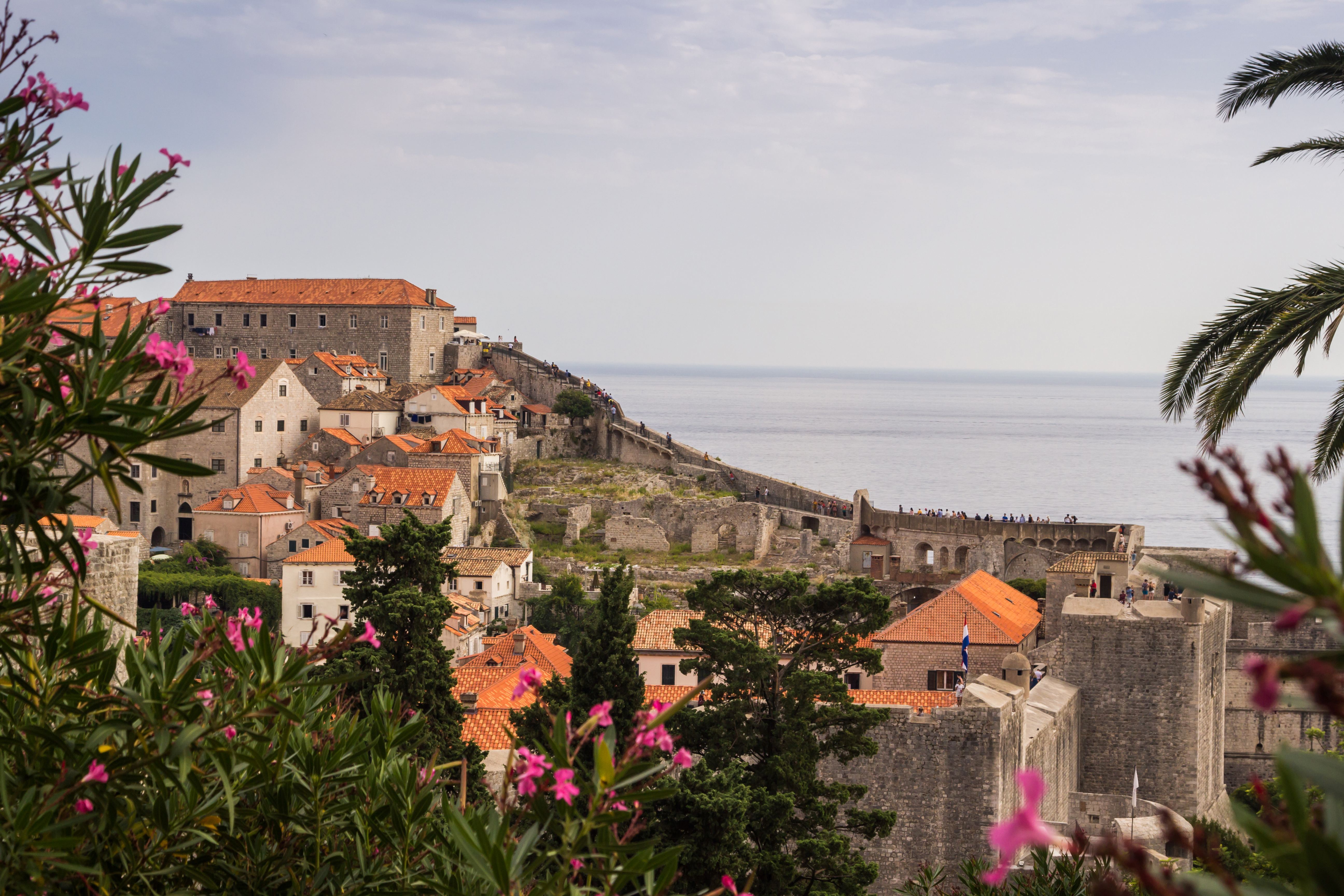
If one were trying to design a case study for Croatia’s premium future, it would be difficult to find a better laboratory than the Dubrovnik-Cavtat axis. Dubrovnik offers brand power, cultural density and enduring international recognition. Cavtat offers softness, accessibility and a more residential waterfront mood. The wider area allows excursions, swim stops, short-range cruises and linkages into Montenegro or further north along the Croatian coast. From a strategic perspective, that is a strong bundle of assets.
What turns assets into advantage, however, is curation. The southern Adriatic should not aim to replicate the spectacle economies of Monaco or St Tropez. It should aim to become the Mediterranean’s best version of refined access: a place where one can arrive quickly, berth confidently, sleep well, eat seriously, move privately and experience culture without crowd surrender. That positioning would be both believable and commercially sharp.


There is also an investment logic here. Marina-led development, luxury residences, waterfront hospitality and yacht-club ambitions all become more credible when attached to a place with strong inbound demand and clear geographic scarcity. The Cavtat area benefits from exactly that combination. It has room to speak to charter clients, but also to those who are thinking one step beyond charter: recurring seasonal use, branded ownership, or semi-permanent yachting attachment to the region.
What brokers and guests will look for next
In the next phase, brokers will increasingly ask whether Croatia can support more exacting itineraries and service requests without friction. Can a health-focused family charter be handled with the same ease as a celebratory friends’ trip? Can shore experiences feel private rather than touristic? Can provisioning support specialised diets and demanding culinary expectations? Can a client work from board with full digital confidence? Can larger or more discerning yachts find the right blend of berth infrastructure, discretion and shore-side quality?

The encouraging answer is that Croatia is moving in the right direction. The less comfortable answer is that movement alone is not enough. The premium segment rewards destinations that choose a lane and commit to it. Croatia does not need to become louder. It needs to become more precise. That means better premium transport choreography, stronger year-round culinary options, polished bilingual service, firmer wellness partnerships and more visible confidence in selling the southern Adriatic as a serious luxury base rather than a beautiful afterthought to Dubrovnik.
Why this matters for 2026 and beyond
The Mediterranean will continue to attract extraordinary yachting demand, but not every destination will rise in relative importance. The places that gain ground will be those that can combine emotional appeal with reliable execution. Croatia already has the first part. The opportunity now lies in perfecting the second. This is what makes 2026 such an important moment. The country is no longer proving that it belongs on the nautical map. It is deciding what kind of player it wants to be on that map.
For Cavtat and Dubrovnik, the implication is clear. The region can remain a beautiful embarkation point, or it can become one of the Adriatic’s most strategically interesting luxury bases. The difference will be decided by service depth, marina vision, investment patience and the willingness to tell a more confident story about who the area is for. That story should speak not only to tourists, but to charterers, owners, brokers, developers and families who want the sea to feel civilised rather than hectic.

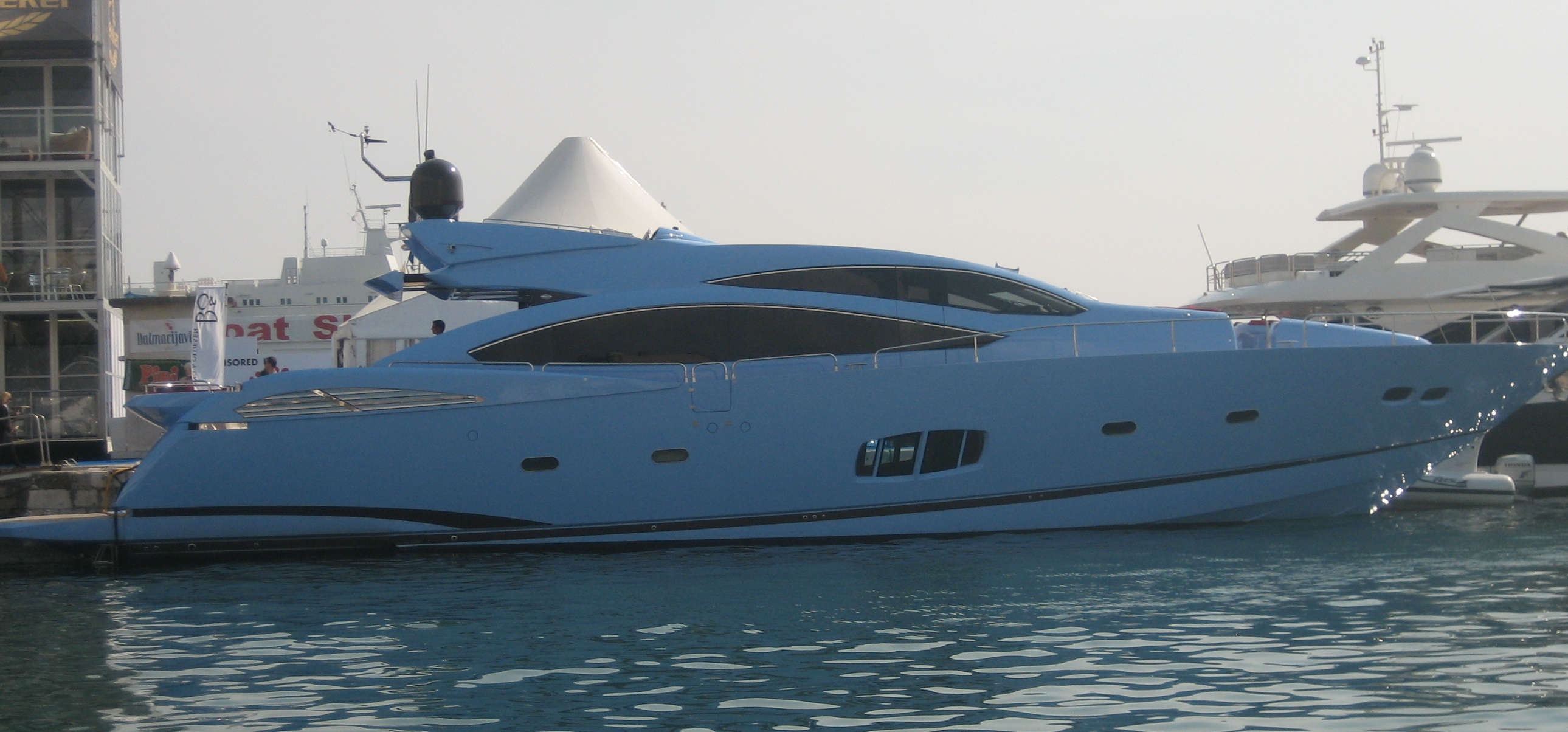


In that sense, Croatia’s new era in high-end charter is not a slogan. It is a strategic project. And the southern Adriatic, with Cavtat at its threshold and Dubrovnik as its global calling card, may prove to be the place where that project becomes most visible.
A premium future will be built in the shoulder seasons too
Another reason Croatia’s position matters in 2026 is that the country is increasingly well suited to the shoulder-season logic reshaping luxury travel. Affluent clients are no longer forced into the peak weeks if they value privacy, climate balance and availability more than August theatre. Spring and early autumn in the Adriatic can offer gentler temperatures, better restaurant access, easier berth management and a calmer social atmosphere. For yacht owners and charter brokers, that extends the commercial usefulness of the destination. For marina developers and hospitality investors, it improves the case for thinking beyond a narrow summer spike.
This is where Cavtat has another hidden strength. It reads well in multiple seasons. The waterfront is appealing without needing beach-club intensity, the airport remains close, and the town can act as either a soft beginning or a soft landing for a charter. A destination that feels coherent outside the hottest weeks is often more valuable than one that shines only when the market is at its most crowded. If Croatia wants to raise its standing in the premium Mediterranean order, it should lean into that advantage rather than chasing the loudest version of summer.
Need help choosing the right experience?
Tell us your budget, dates, and travel style, and Cavtat Guide will help you choose the best yacht charter, tour, property option, or local experience.


