Updated for 2026
Choosing a second home in Croatia is not simply a matter of selecting the most beautiful stretch of coast. It is a matter of choosing the ownership pattern that fits the life you actually intend to live. Dubrovnik, Split, Hvar, and Istria may all belong to the same national story, but they operate as distinct regional worlds. Buyers who understand that difference tend to buy with far greater clarity.
Best for: buyers comparing prestige-led addresses, high-usage homes, island identity properties, and privacy-led lifestyle ownership
Main idea: the real comparison is not coastline alone, but how each region shapes ownership over time
Best use of this guide: decide on your preferred balance of prestige, convenience, privacy, and repeat usability before narrowing listings
The Croatian second-home market starts to make sense only when you stop comparing its regions as if they were slightly different versions of the same Adriatic fantasy. They are not. What matters is the sort of ownership each one produces. Some places create ceremony and prestige. Some create easy repetition. Some are built for summer theatre. Others reward the quieter satisfactions of land, privacy, and habitual return.
That is why serious buyers do not merely ask where Croatia looks best. They ask where it will work best after the first excitement has faded. Can the property be used often without friction? Does the location still feel convincing outside peak season? Will older family members arrive easily? Does the address offer hosting power, retreat, or both? A second home is not judged only by its first viewing. It is judged by how it behaves across years of actual life.
For readers browsing Cavtat Guide’s Croatia property section, and especially those comparing Dubrovnik-region listings with opportunities elsewhere, the most useful question is not “Where should I buy a villa?” It is this: Which region corresponds to the way I want to live?

Why buyers compare Croatian regions differently now
Ten years ago, many international buyers entered Croatia through broad categories: sea view, island, old town, villa. Today the comparison is much more refined. Buyers increasingly ask how long a location remains practical outside summer, whether the surrounding town supports real life rather than tourism alone, how easily guests can arrive on separate schedules, whether land and privacy are adequate, and whether the property supports the owner’s intended rhythm rather than merely looking impressive in photographs.
These are all signs of a more mature market. They also explain why the same buyer may seriously consider Dubrovnik, Split, Hvar, and Istria within a single search cycle. Each region answers a different version of the second-home brief. Dubrovnik answers for prestige, symbolism, and hosting. Split answers for flexibility and repeated use. Hvar answers for island identity and emotional charge. Istria answers for discretion, drivability, land, and a wider Mediterranean lifestyle logic.
The strongest second-home purchases in Croatia are not the ones with the most dramatic first viewing. They are the ones whose regional logic still makes sense on an ordinary Tuesday in October.
Dubrovnik: prestige, symbolism, and southern Adriatic authority
Dubrovnik occupies a unique psychological place in the Croatian property market because it remains the country’s most internationally recognisable address. That matters. Buyers are not always purchasing only square metres, sea frontage, or architectural character. Sometimes they are also purchasing narrative, status, and the hosting power of a destination that guests understand immediately.
For that reason, Dubrovnik continues to attract diaspora buyers, internationally mobile families, prestige-led purchasers, and owners who entertain frequently. It offers fortified heritage, cinematic visibility, maritime prestige, and a comparatively developed luxury-services ecosystem. Private chefs, airport transfers, maintenance support, boat services, concierge arrangements, and guest logistics are easier to organise here than in many more fragmented markets.
Yet the sophisticated Dubrovnik buyer is rarely comparing only “inside the city” and “outside the city.” They are comparing several different ownership environments: the city and its prestige belt, softer residential arcs, island-adjacent settings, and the southern corridor toward Cavtat and Konavle. That distinction matters because some buyers want Dubrovnik’s symbolic weight without its densest seasonal pressure.
This is where the wider Dubrovnik Riviera becomes particularly persuasive. A property near Cavtat, Obod, Zaton, Orašac, or the island belt can preserve the emotional authority of the Dubrovnik name while offering a calmer daily experience. In practical terms, that often means better arrival logistics, more privacy, and a more manageable ownership pattern for families who value ease as much as status.
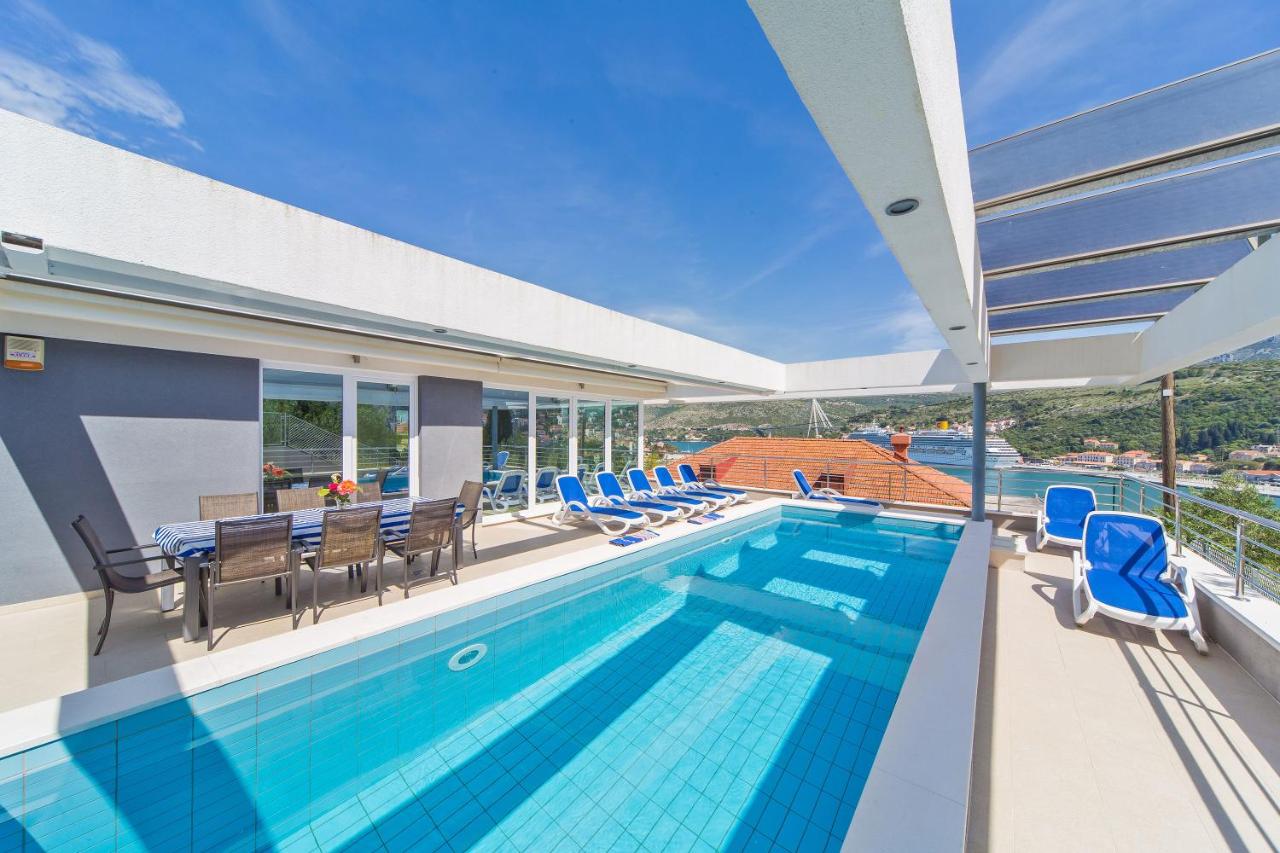
Amazing Sea View Villa — Dubrovnik
A clean example of prestige-led Dubrovnik ownership: commanding outlook, high visual impact, and the sort of presentation that appeals to buyers prioritising status and strong marketable views.
Prestigious Sea View Villa — Dubrovnik
Useful for readers trying to understand the top-end Dubrovnik formula: recognizable luxury language, seafront-adjacent atmosphere, and a clear prestige signal.
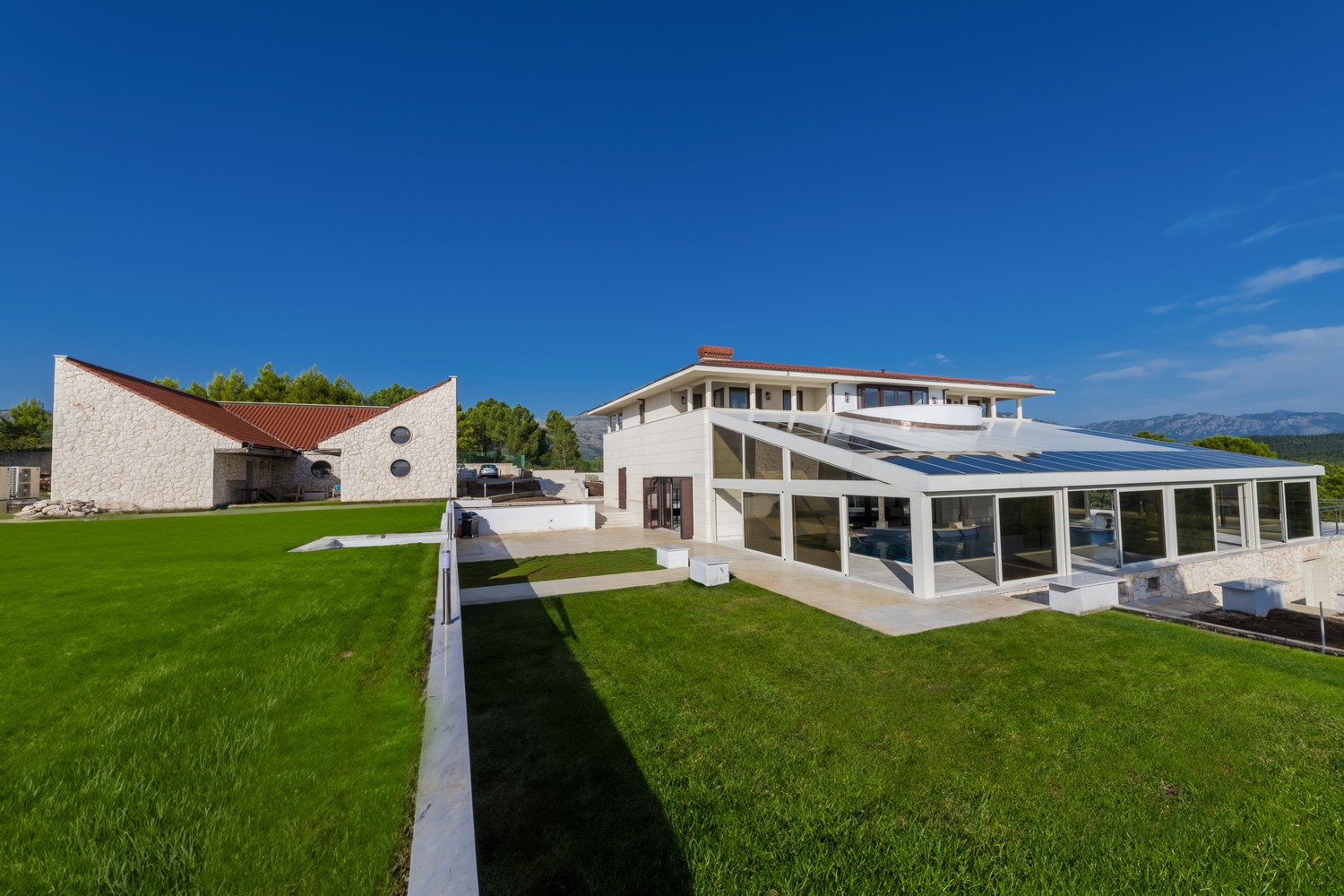
Mansion in Dubrovnik, Cavtat — Private Estate Scale
This shows how the Dubrovnik-region search often broadens into Cavtat once buyers begin prioritizing space, estate scale, and more composed summer logistics.

Dubrovnik in one sentence: the strongest choice for buyers who want symbolic weight, strong international recognizability, hospitality infrastructure, and southern Adriatic status, provided they also accept that privacy often comes at a premium.
Split: the most convincing option for frequent use
If Dubrovnik is Croatia’s ceremonial southern signature, Split is its strongest practical second-home proposition. Buyers are often surprised by this. They arrive expecting a vibrant summer city and a transport hub, then discover something more important: Split supports ownership beyond the tourist frame. It works for short trips, repeat arrivals, shoulder-season stays, and a pattern of use that feels active rather than occasional.
This is what makes Split especially attractive to younger wealth, internationally mobile professionals, and families who do not want their Croatian home to feel dormant outside summer. The city offers more everyday continuity than most coastal destinations in the country. Restaurants, services, civic life, culture, marinas, ferries, and airport access combine to create a more forgiving ownership ecosystem.
Split’s luxury is often a luxury of movement rather than monumentality. Buyers choosing it are often prioritising frequency over theatre. They want a property that can absorb spontaneous usage, uneven arrival patterns, and a wider variety of life stages. They may also be less interested in symbolic spectacle than in practicality, urban continuity, and the ability to actually use the asset often.
That does not diminish Split’s appeal. It simply means it answers a different question. Where Dubrovnik asks whether the property carries emotional authority and prestige, Split asks whether ownership can become fluid, repeatable, and realistic. For many buyers, especially those balancing business lives with leisure property, that is the more intelligent brief.
Hvar: island conviction, social summer, and emotional charge
Hvar occupies a very different space in buyer imagination because it combines prestige with island identity. This is not merely a matter of scenery. It is a matter of commitment to a more seasonal, more distilled form of Adriatic ownership. Buyers here are not only purchasing a house. They are often purchasing the island condition itself.
That distinction matters because island ownership changes expectations. Access, servicing, supply rhythm, staffing, and spontaneity all work differently. For some buyers this is the point. They do not want convenience to flatten experience. They want a stronger separation from ordinary routine and a location that feels unmistakably like summer, movement, and harbor life.
Hvar is therefore strongest for owners who value atmosphere above convenience and who genuinely enjoy the theatrical elements of island living: marina arrivals, terrace culture, social energy, and a sharper distinction between high season and the rest of the year. Emotional return can be very high here. So can logistical friction. The right buyer sees that not as a defect, but as part of the premium.
In that sense, Hvar is rarely the market of maximum practicality. It is the market of maximum island conviction. Buyers who understand this often love it. Buyers who merely admire island imagery sometimes discover that they were shopping for mood, not for ownership reality.
Istria: discretion, land, and long-term comfort
Istria shifts the comparison entirely. For buyers approaching Croatia from Italy, Austria, Germany, or Slovenia, it often enters the search from a different direction: road access, food culture, gardens, hill towns, materials, privacy, and a broader conception of Mediterranean living. It is not always the region of maximum southern drama. It is often the region of maximum composure.
This is one of the reasons Istria appeals so strongly to repeat visitors, multi-generational owners, and families who intend to use their home regularly rather than ceremonially. Extended stays are easier to sustain. Weekend usage is more realistic. Older family members can arrive with less friction. Children can inherit a more habitual relationship to the property. The result is not lesser luxury, but a different luxury: one rooted in ease, repetition, and land-led quality.
Istria also complicates the old assumption that Croatian luxury must always be judged by immediate seafront drama. In the north, value often lies in broader composition: plot size, garden structure, craft quality, agricultural surroundings, privacy, nearby dining, and the strength of surrounding towns. Buyers who care deeply about discretion often find this much more persuasive than spectacle.
It is therefore strongest for those who want a home that supports real life rather than seasonal projection. They may care as much about olive groves, drive time, and dinner quality as they do about coastal theatre. In a more mature property search, that is not a compromise. It is usually a sign of clarity.

The real comparison: prestige, usability, privacy, and exit logic
Once buyers move beyond postcard thinking, the comparison between Dubrovnik, Split, Hvar, and Istria becomes easier to organise. The first lens is prestige. Dubrovnik leads through global recognizability and symbolic force. Hvar offers a more summer-coded prestige tied to island identity. Split signals contemporary practicality. Istria signals connoisseurship rather than display.
The second lens is usability. Split and Istria often perform most convincingly for repeated use, flexible arrivals, and shoulder-season living. Dubrovnik can also work very well, but micro-location matters greatly. Hvar, by contrast, demands stronger acceptance of seasonality and island logic.
The third lens is privacy. Istria usually provides the easiest route to larger plots and lower exposure. Dubrovnik can provide exceptional privacy too, but scarcity and price pressure are stronger. Split often suits buyers prioritising access rather than isolation. Hvar’s privacy, when excellent, tends to be emotionally powerful but operationally more specific.
The fourth lens is exit logic. Highly recognizable addresses support resale visibility, which benefits Dubrovnik and select island positions. Yet long-term market depth can also favor regions that support broader practical use. This is why many disciplined international buyers remain drawn to Split and Istria even when their first emotional instinct pointed elsewhere.
| Region | Best for | Key strength | Main compromise |
|---|---|---|---|
| Dubrovnik | Prestige-led second homes, strong hosting, yachting-adjacent ownership | Global recognition, symbolic authority, hospitality depth | Privacy pressure and stronger seasonal density in some zones |
| Split | Frequent-use owners, urban buyers, flexible short-break patterns | Connectivity, year-round civic life, practical usability | Less ceremonial status than Dubrovnik |
| Hvar | Island loyalists, social-summer buyers, maritime identity seekers | Atmosphere, scarcity, emotional charge | Seasonality and island logistics |
| Istria | Privacy-led families, land buyers, food-and-lifestyle owners | Drive access, discretion, broader living quality | Less southern Adriatic spectacle |
How serious buyers should narrow the field
The most disciplined way to narrow the search is to define the ownership model before becoming attached to a specific listing. Will the property be used six weekends a year plus part of the summer, or several months annually? Do older relatives need easy arrivals? Is a boat berth or yachting culture relevant? Does the owner enjoy being seen in the destination, or do they prefer the home to withdraw from public attention? Is rental logic central, or is reputational quality more important than occupancy?
These questions sort buyers faster than spreadsheets. A prestige-first buyer with strong international guest flow often stays in the Dubrovnik orbit. A high-usage owner often drifts toward Split. A summer-social, maritime buyer may end up in Hvar. A family prioritizing privacy, gastronomy, and repeated use frequently settles in Istria. None of these decisions is objectively superior. They simply express different forms of luxury.
This is also the point at which actual listing calibration matters. A stone house may be romantic for one buyer and burdensome for another. A plot opportunity may suit a development-minded investor but not a private owner seeking immediate ease. A seafront villa may look ideal until summer density or access constraints become clear. Real judgement begins where general admiration ends.
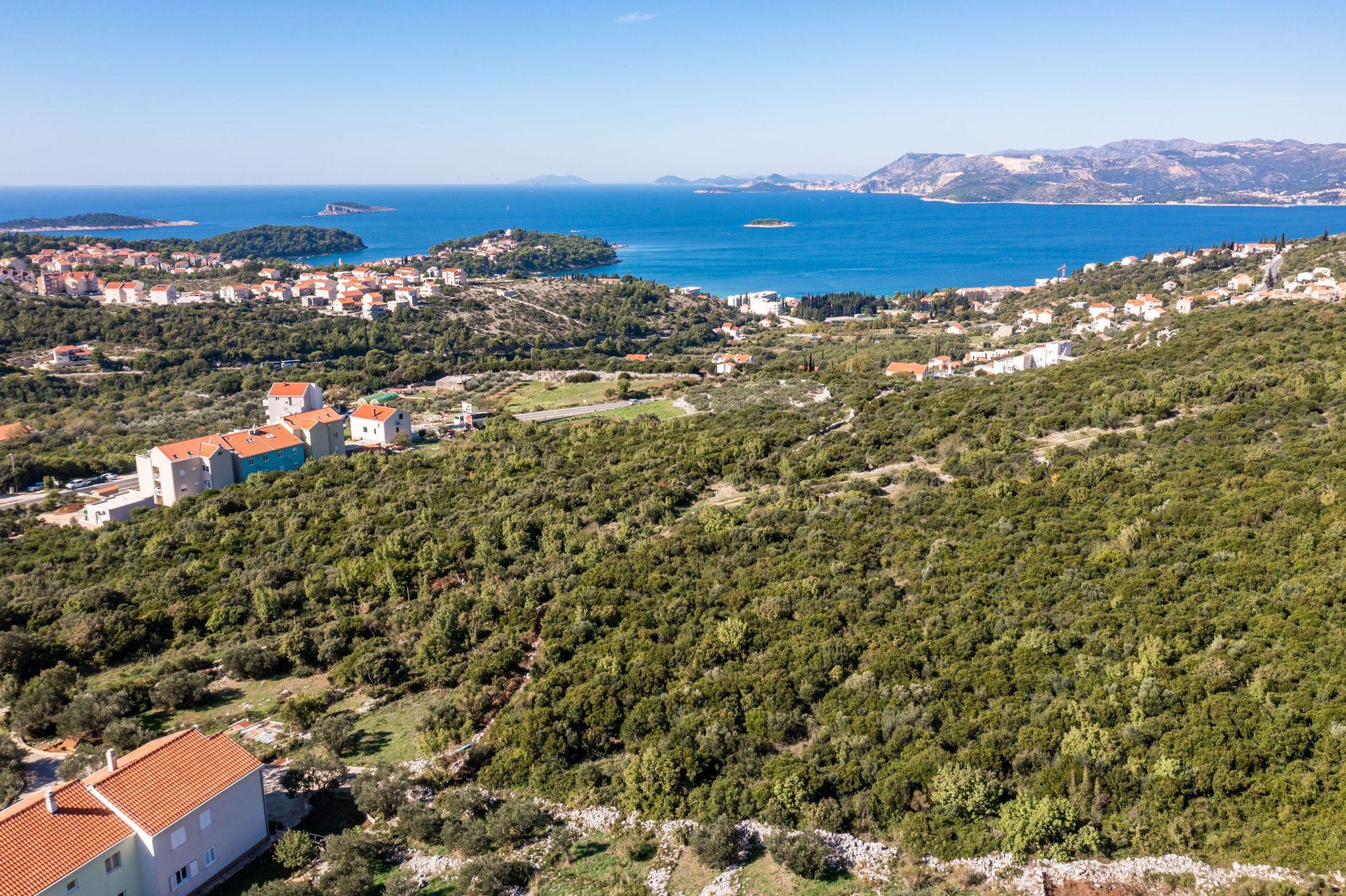
Building Land with Sea View — Obod / Dubrovnik Approach
A useful case for buyers who think in strategic rather than purely finished-product terms. It highlights how location logic, view structure, and development potential can matter as much as an existing house.
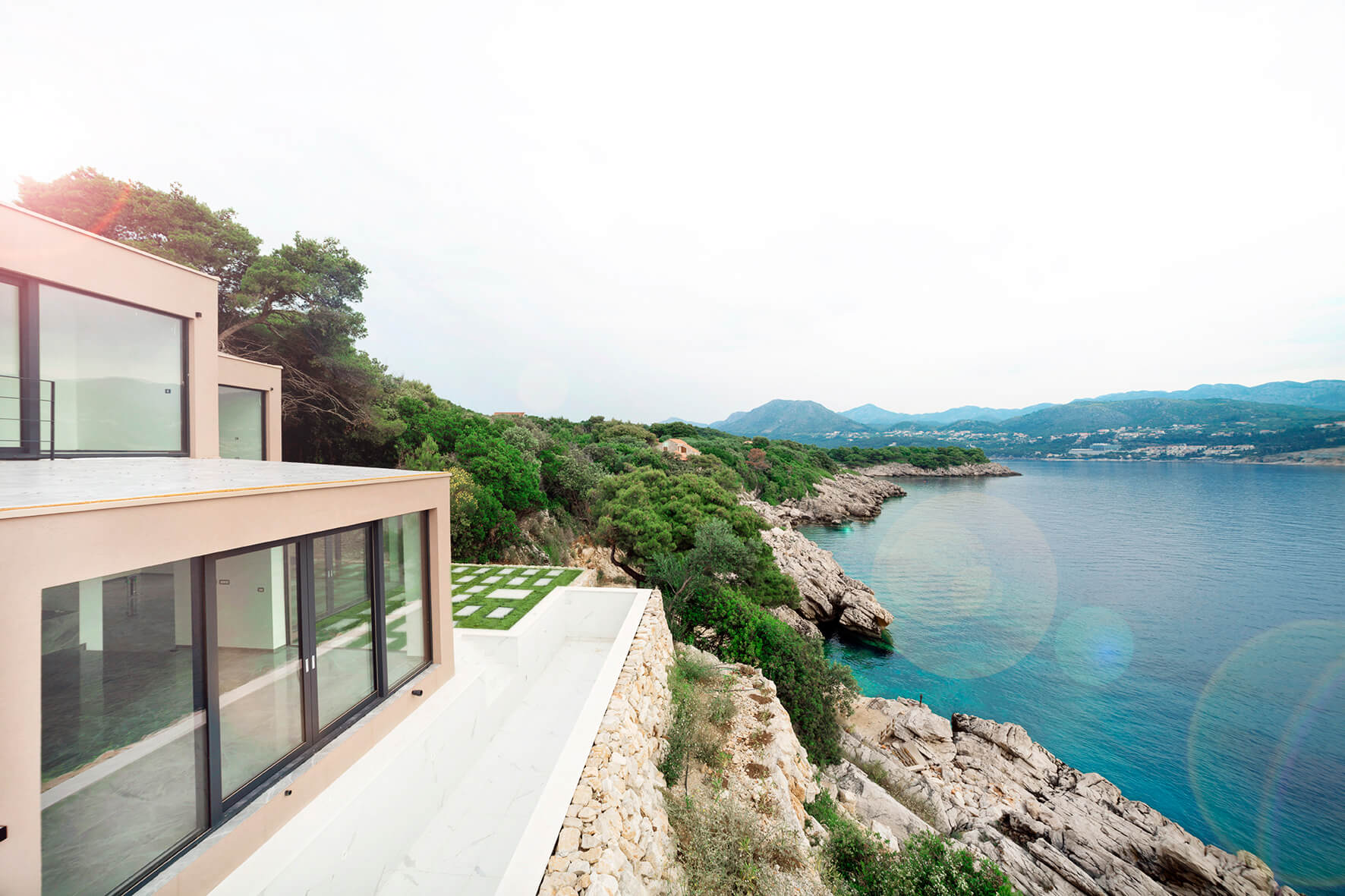
Seafront Stone Villa — Dubrovnik
This reflects the enduring pull of the Dubrovnik ideal: stone, frontage, atmosphere, and the kind of property language that appeals to heritage-minded prestige buyers.
Private Island Opportunity — Dubrovnik Region
An extreme but useful example of how some buyers are not purchasing a home alone, but privacy, separation, and total control over setting.

What second-home value in Croatia actually means
Second-home value in Croatia should not be reduced to appreciation alone. Serious international buyers increasingly evaluate three intertwined forms of return: emotional return, practical return, and strategic return. Emotional return concerns how the property shapes rituals, family gathering, and arrival feeling. Practical return concerns servicing, access, maintenance ease, and repeat usability. Strategic return concerns recognisability, scarcity, resale visibility, and how convincingly the asset will speak to the next buyer.
Dubrovnik often performs strongly in emotional and strategic terms when the owner is aligned with its symbolism. Split tends to be strongest in practical terms. Hvar can generate outsized emotional return for owners who genuinely want island life rather than island imagery. Istria often performs quietly and convincingly across practical and emotional categories, particularly for families that intend to live with the property rather than simply possess it.
The most sophisticated buyers understand that the Adriatic market rewards fit more than fashion. They do not buy a region because it is momentarily glamorous. They buy a place whose operating logic continues to feel right long after the novelty of acquisition has faded. That is the difference between merely buying well and actually owning well.

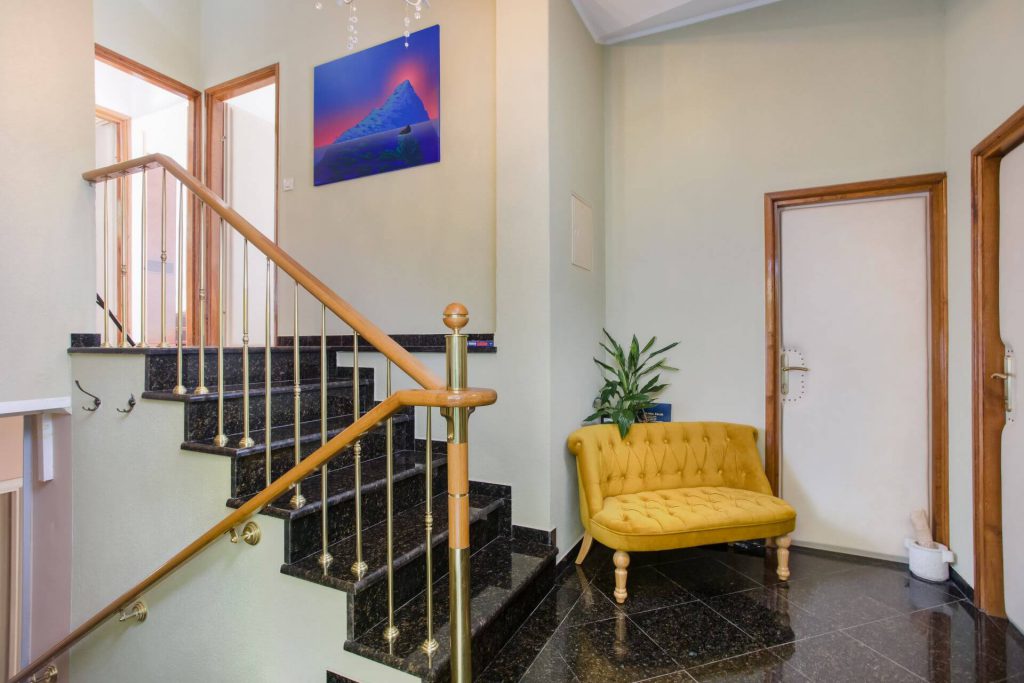
Visualising the buyer profiles through real listings
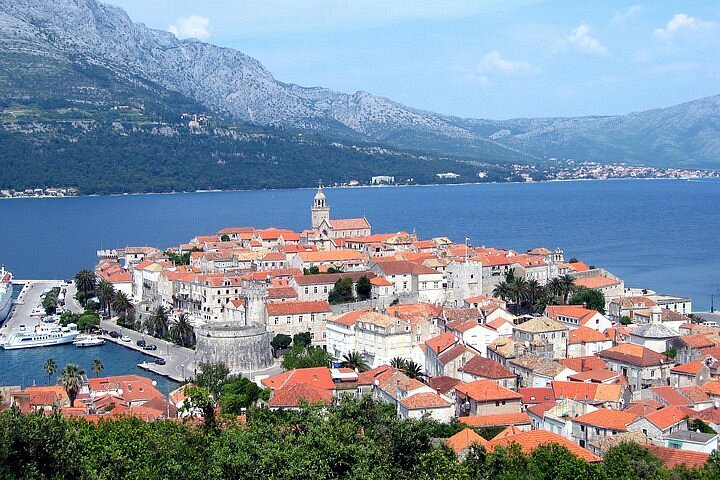
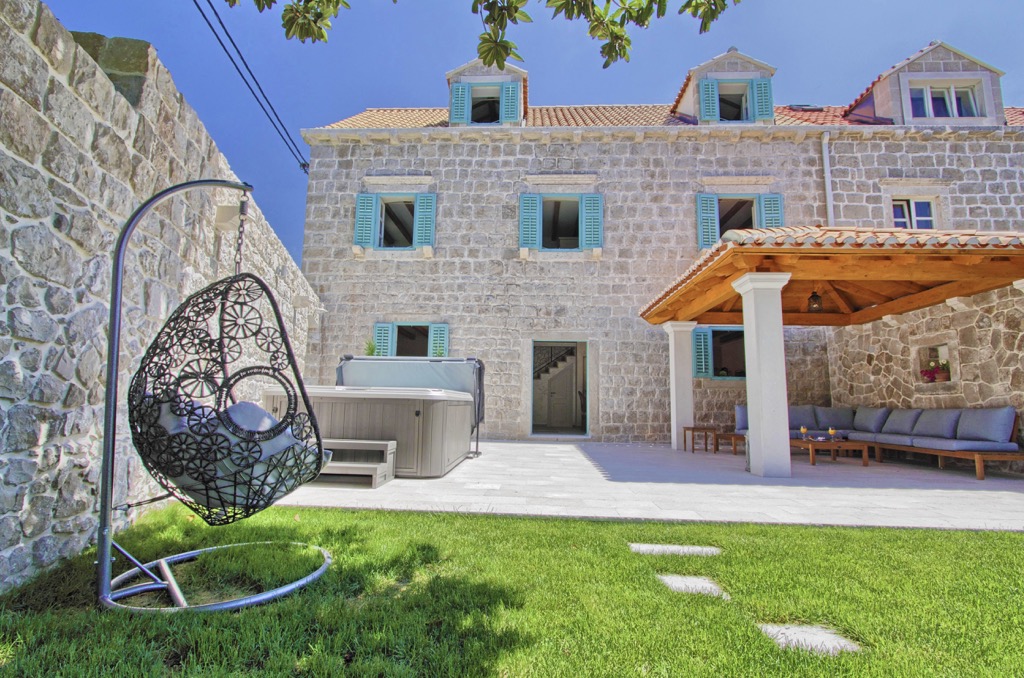
One of the clearest ways to understand regional logic is to look at how different listings express different ownership patterns. A historic Cavtat residence speaks to heritage, continuity, and place identity. A prestige sea-view Dubrovnik villa speaks to visibility and status. A private-estate-scale property near Cavtat speaks to space and retreat. A seafront stone villa speaks to emotional atmosphere and long-horizon desirability. A development plot near the Dubrovnik approach speaks to strategic thinking and future shaping rather than immediate consumption.
Conclusion: buy the region that matches real life, not the first fantasy
The most important decision in the Croatian second-home market is not whether to buy a villa, a mansion, a stone house, a seafront asset, or development land. It is whether the chosen region corresponds to the life that will surround the property. Dubrovnik, Split, Hvar, and Istria all make persuasive cases, but they do so on different terms.
Dubrovnik offers prestige, hosting power, and symbolic beauty. Split offers flexibility and repeated usability. Hvar offers island theatre and summer intensity. Istria offers discretion, drivability, and a broader lifestyle field shaped by land as much as sea. Once that is understood, the search becomes sharper, calmer, and more intelligent.
For readers researching property for sale in Croatia or comparing Dubrovnik-region opportunities with broader Adriatic logic, the best next step is not to search more widely, but to search more accurately. Define the ownership pattern first. Then compare listings through that lens.
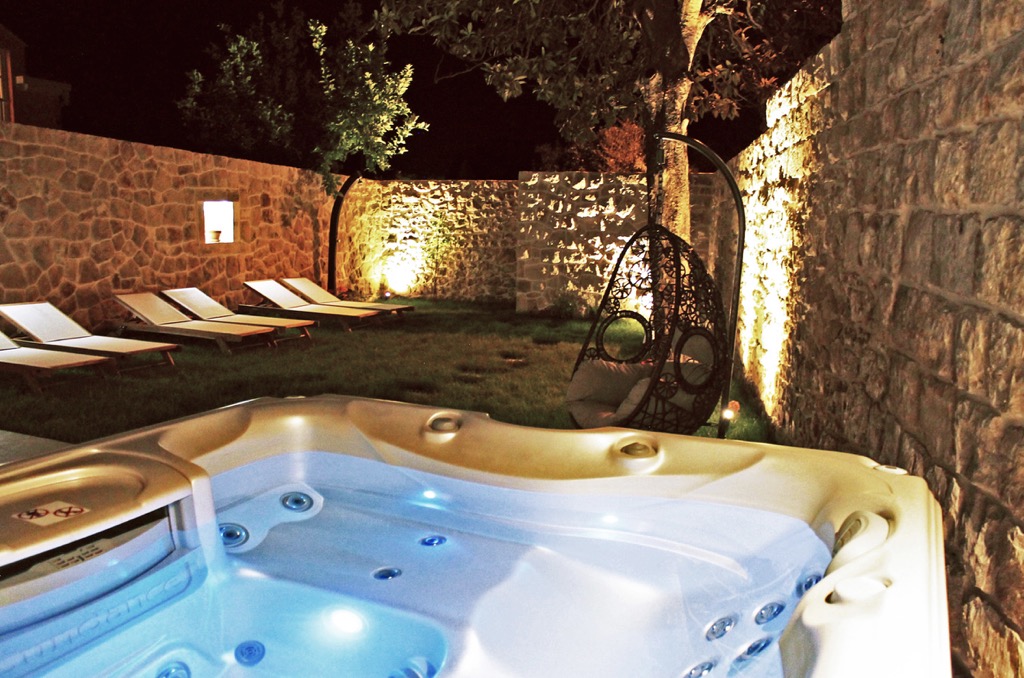
Frequently Asked Questions
Which Croatian region is best for a prestige-led second home?
Dubrovnik is usually the strongest prestige-led choice because it combines international recognition, symbolic weight, strong hosting logic, and a more developed high-end services ecosystem than most other Croatian markets.
Which region is best for frequent use rather than occasional summer stays?
Split and Istria generally make the most sense for frequent use. Split offers year-round civic continuity and easy arrivals, while Istria supports repeated visits through road access, discretion, and broader lifestyle practicality.
Is Hvar a good second-home market for first-time buyers?
Hvar can be an excellent market for the right buyer, but it suits people who actively want island life rather than merely island imagery. Seasonality, access, and servicing matter more there than on the mainland.
What makes Cavtat important in the Dubrovnik-region search?
Cavtat often gives buyers a calmer and more livable way to access Dubrovnik-region prestige. It can preserve proximity, airport convenience, and Riviera atmosphere while reducing some of the density and pressure associated with the city core.
Should buyers compare finished homes with development plots?
Yes, if their goals justify it. Some buyers are best served by immediate-use property, while others benefit from a plot-led strategy that prioritizes positioning, view structure, and long-term control over the final asset.
What is the smartest way to start a second-home search in Croatia?
Start by defining the intended ownership model: frequency of use, arrival logistics, privacy needs, hosting ambitions, and tolerance for seasonality. Once those are clear, the right region and listing type usually become much easier to identify.
Need help choosing the right property or region?
Share your intended use, budget range, privacy requirements, and lifestyle priorities, and Cavtat Guide will help you think through the most suitable region, property type, and ownership strategy across Croatia.