

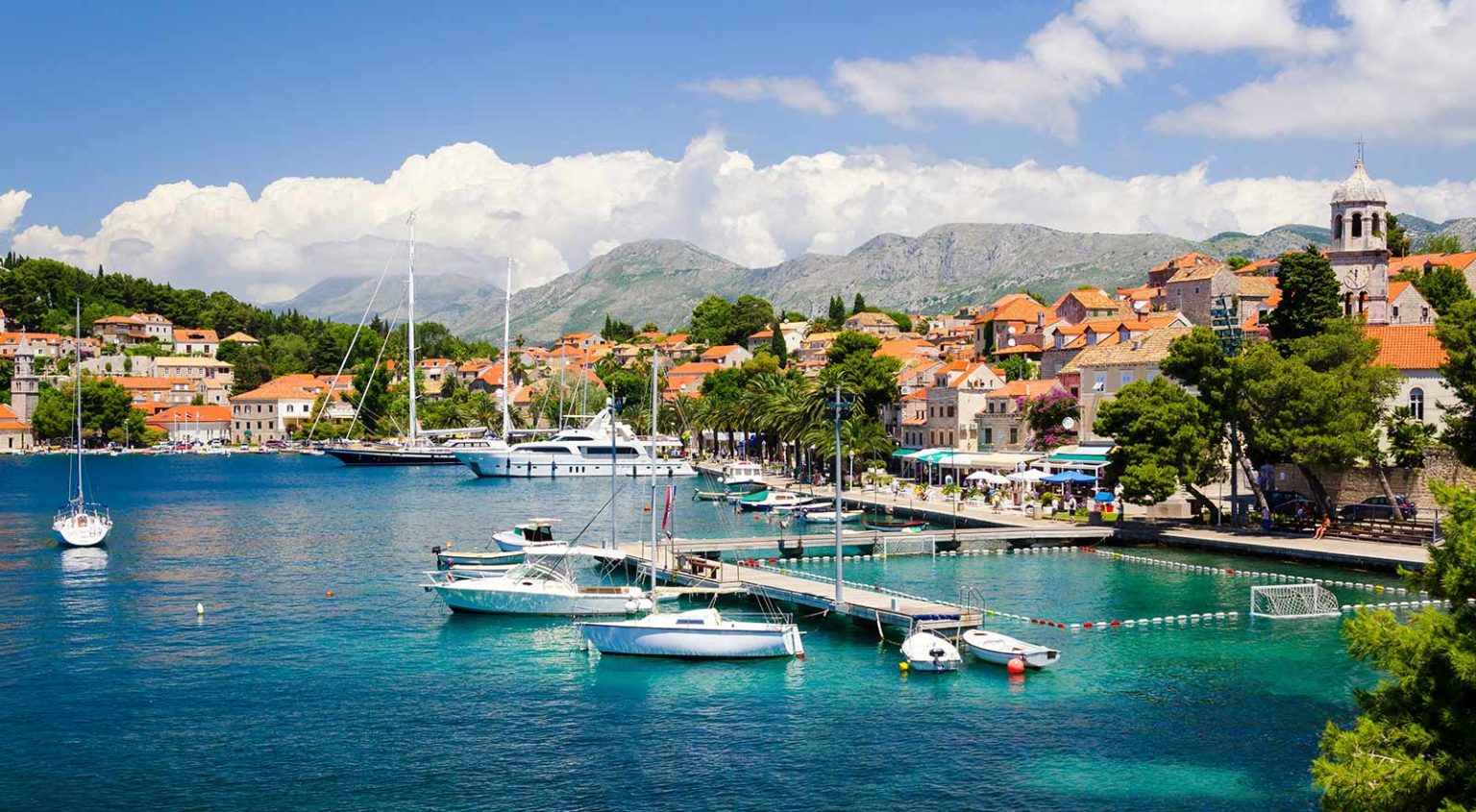
Most visitors read Cavtat through its obvious pleasures first: harbour light, easy swims, waterfront dinners, and the reassuring elegance of a town that rarely needs to perform too hard. But there is another calendar underneath that surface — a quieter cultural season of free concerts, storytelling evenings, costumed historical walks, festival weeks, and winter programmes in Konavle that reveal a very different version of the place. For travellers who want Cavtat to feel deeper rather than merely beautiful, this hidden calendar is often the key.
Cavtat’s Secret Calendar: Free Concerts, Storytelling Nights, and the Cultural Season Most Visitors Miss
Main takeaway: Cavtat’s most memorable cultural life is often not the loudest or most commercial. It appears in free concerts, storytelling evenings, small-format guided performances, and seasonal local traditions that deepen the town without overwhelming it.
Best strategy: use one or two well-chosen cultural events to shape the rhythm of your stay, rather than trying to build a rigid itinerary around everything at once.
Best months for cultural texture: spring for Secret Garden Concerts, summer Fridays for storytelling, September for Epidaurus, and December for Konavle’s winter programme.
Some destinations advertise culture like a headline. Cavtat usually does the opposite. Its cultural calendar tends to appear in smaller, better-proportioned forms: a concert in a garden, a storytelling session at dusk, a costumed historical walk, a festival evening that briefly changes the atmosphere of the harbour, or a winter programme in Konavle that reminds you the wider region has a life beyond summer. That restraint is not a weakness. It is one of the reasons the calendar works so well.
Travellers who know Cavtat only through harbour dinners and swim stops often miss this second layer entirely. The town is easy to read as a place of sea, light, and ease. It is all of those things. But once you begin to notice its seasonal cultural life, the place becomes more complete. A garden becomes a venue. A promenade becomes a route into local memory. An evening walk becomes an event rather than dead time between lunch and dinner. The town does not stop being beautiful; it becomes more legible.
What makes this especially compelling is that many of the strongest experiences are not priced like high-prestige culture. Some are free. Others are light, accessible, and low-friction enough to fit naturally into a holiday. In a town where the best days depend on pace rather than quantity, that combination is unusually powerful.
Why Cavtat’s quieter calendar matters so much
The value of this calendar is not only entertainment. It changes how the town is experienced. Visitors who come only for coast-and-harbour logic often leave with a pleasant but partial version of Cavtat. They have seen the water, the restaurants, the promenade, perhaps the mausoleum, perhaps a boat departure. But they have not necessarily seen the town think. They have not watched it turn gardens into acoustic spaces, history into spoken narrative, or ordinary evening hours into something more deliberate.
This matters because Cavtat is not at its best when treated as a pretty pause between larger destinations. It is strongest when understood as a place with enough internal life to justify attention. The cultural calendar gives visitors reasons to linger after sunset, reasons to return in different months, and reasons to understand the wider Cavtat–Konavle area not as one long summer strip but as a year-round setting with several distinct moods.
It also offers an unusually practical kind of sophistication. You do not need a car, a whole-day commitment, or a festival-level budget to access most of what matters. In a region where some of the most obvious pleasures are tied to expensive boats or premium waterfront tables, Cavtat’s quieter cultural season provides another route into quality.
Secret Garden Concerts: spring’s most elegant format
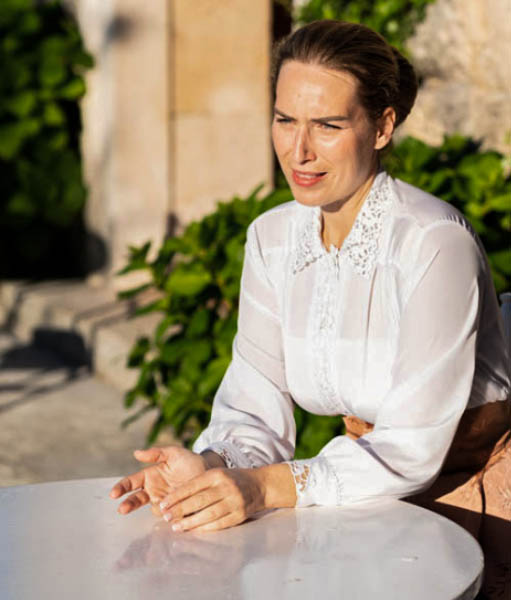
The Secret Garden Concerts are one of the clearest examples of Cavtat using scale intelligently. They tend to feel intimate rather than grand, site-specific rather than generic, and atmospheric in ways that would be difficult to reproduce in a bigger or louder destination. Instead of asking Cavtat to behave like a major festival city, the series uses precisely what the town already has: gardens, monastery settings, hidden corners, terraces, and old spaces whose beauty becomes more visible when music gives them a reason to hold people still.
This is one of the most quietly luxurious things Cavtat offers. The event itself may be free or low-friction, but the emotional texture feels richer than that suggests. You arrive a little early. The light softens. Air moves through stone and leaves. The venue matters as much as the performance. In a region often dominated by obvious coastal pleasures, that shift in emphasis can be unexpectedly memorable.
The spring positioning is part of why this works so well. April, May, and June are often when Cavtat feels most breathable. The harbour is active but not yet compressed. Evenings are still soft rather than hot. A concert in that window feels less like an “activity” and more like the correct use of the hour. For travellers who want one event to improve the whole tone of an evening, this is often the right one.
It also suits visitors who may not normally build a holiday around music. You are not being asked to enter a formal cultural world with heavy expectations. You are being invited into one of the town’s best atmospheric settings and allowed to let music heighten it. That is a much more approachable proposition, and in Cavtat it tends to work beautifully.
Best use of the Secret Garden Concerts: treat them as the cultural centrepiece of an otherwise light evening. Harbour walk first, concert second, simple dinner after. Cavtat tends to reward that kind of sequencing far more than a heavily over-planned night.
Friday storytelling: the smartest free hour in town
The free Friday evening storytelling session, often presented in English under the banner Inspiring Lives – Everlasting Legends, may be the most underrated event in the whole calendar. It sounds modest on paper, which is exactly why many visitors overlook it. In practice, it is one of the strongest orientation tools in Cavtat.
This is because the session does more than fill an hour. It reorganises the town. Once you hear Cavtat linked to ancient Epidaurus, to Vlaho Bukovac, to local families, stories, and artistic lives, the streets and buildings around you stop feeling merely attractive. They become interpretable. The mausoleum means more. Bukovac House means more. Even the harbour starts to feel like part of a longer civic story rather than simply a beautiful setting for dinner.
This is what makes the event so useful early in a stay. It improves the rest of the visit. Instead of collecting sites and hoping they eventually connect in your head, you get the connective tissue first. In a small Adriatic town, that is unusually valuable. Scale helps here. Because Cavtat is compact, story and setting remain physically close together. You listen, then walk, and the story is still around you.
That is why this may be the best free cultural event in town. It is not free in the sense of low-value. It is free in the sense that the town is giving away one of its most useful interpretive tools. Smart visitors take it.
Costumed storytelling tours: where history becomes socially visible
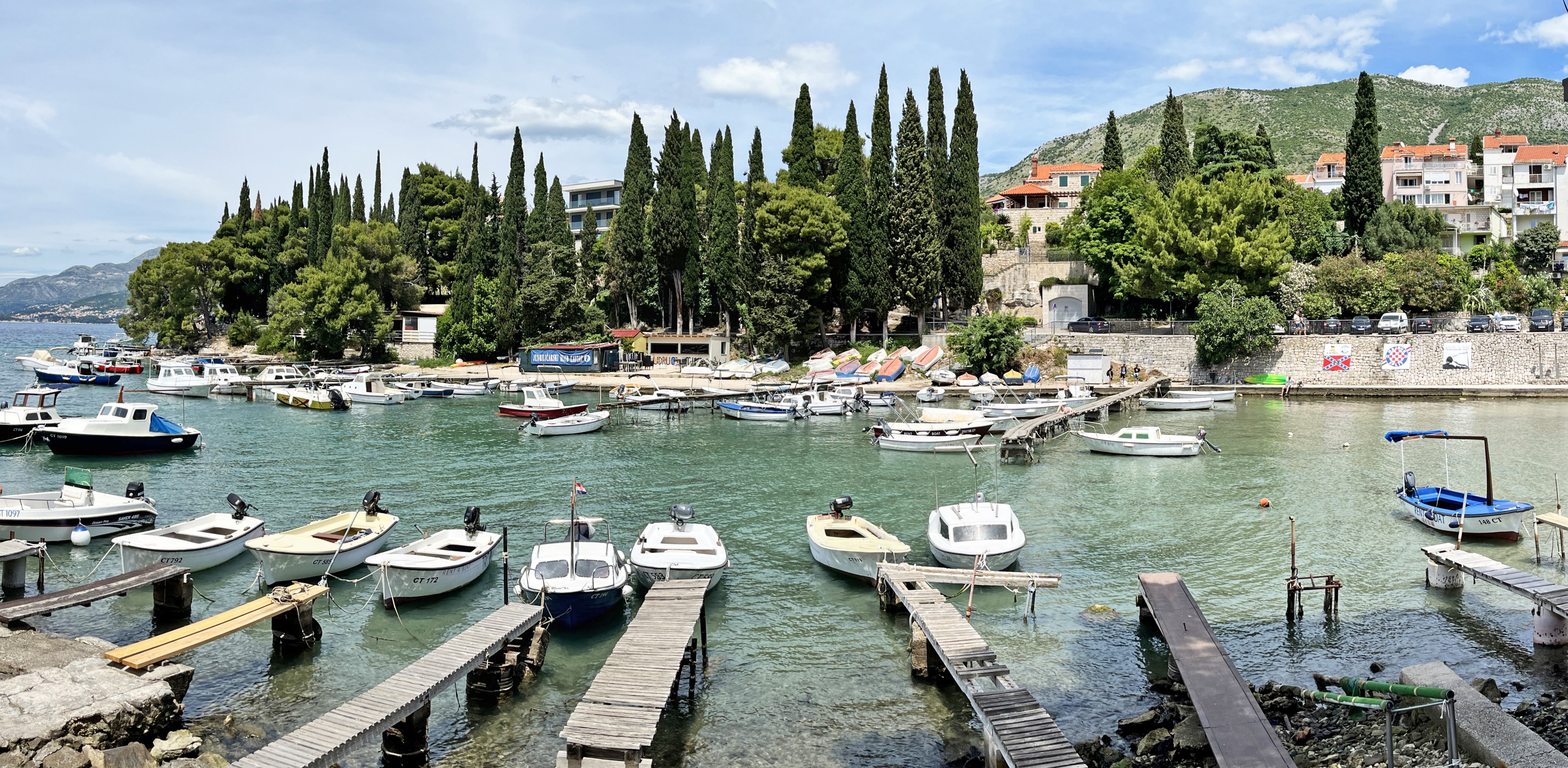
The costumed storytelling tour is where Cavtat gets especially clever. Rather than placing history behind glass or flattening it into plaques, the town lets historical characters step into the present and move through actual spaces. In a compact Adriatic town, that shift matters. It turns ordinary streets into stages of recognition.
This format works because Cavtat is not overloaded with visual noise. The built environment is readable enough that a costumed figure or performed narrative does not feel gimmicky. It feels plausible. The town can hold that kind of historical play without losing its dignity. For many visitors, the result is more memorable than a conventional guided talk because it gives history voice, movement, and social texture.
It is also one of the strongest formats for travellers who like context but dislike dry explanation. Theatrical guidance lowers the barrier without trivialising the material. Historical figures tied to the town’s 19th- and early-20th-century life become people rather than labels. This matters in Cavtat, where biography is one of the main ways the place reveals itself.
For repeat visitors, it can also alter familiar routes. A lane you have already walked once by day becomes something else when entered through story in the evening. A church façade becomes a cue rather than a backdrop. A passage becomes an opening into the social world that once animated the town. That shift from scenery to sequence is one of the most satisfying things Cavtat can offer.
Best for first-time visitors
The free Friday storytelling session is often the strongest low-effort way to understand how Cavtat fits together historically before exploring further on your own.
Best for spring evenings
Secret Garden Concerts make the most of Cavtat’s air, heritage corners, and softer pre-peak-season atmosphere.
Best for deeper cultural immersion
The costumed storytelling format is ideal for travellers who want history to feel present, social, and physically tied to the streets they are walking.
September’s cultural peak: why Epidaurus matters
If there is one month when Cavtat feels most culturally complete, September makes the strongest case. The Epidaurus Festival gives the town a higher cultural pulse and demonstrates that Cavtat can function as a serious stage rather than merely as a scenic base. By that point in the year, the sea is still attractive and the evenings are still generous, but the region has moved slightly beyond its most compressed summer volume. That shift is crucial.
Festival culture in September works differently from cultural programming in high summer. It feels less like relief from the beach and more like a natural enlargement of the season. You can spend the day by the sea, take a slower dinner, and still let a festival event become the centre of the evening without it feeling forced. The town has enough room again to absorb seriousness.
This is often when visitors who thought of Cavtat purely as a harbour town begin to revise their judgement. The festival season reveals another version of the place: artistically ambitious, but still human-scaled. It also shows why the name Epidaurus matters symbolically. By drawing on the ancient layer of the site, the festival makes local memory active rather than static.
For culturally curious travellers, this is one of the strongest reasons to prefer September over absolute peak summer. The sea remains generous, but the cultural life becomes more central and more legible.
October’s tango rhythm: keep it flexible, not vague
Autumn in Cavtat and Konavle tends to reward travellers who leave a little room in the schedule. Tango Dream belongs to that logic. It introduces an international, movement-led social energy into a season that is otherwise quieter and more breathable. For the right visitor, that combination is highly attractive: dance, workshops, social evenings, and a softer regional atmosphere than summer can usually provide.
The smartest way to plan around it is not to assume exact dates too early, but to treat it as a recurring October cultural possibility and build flexibility accordingly. That does not weaken the event. It reflects a broader truth about autumn travel on this coast: the best trips are often the ones that allow one or two cultural anchors to shape the stay without making the whole itinerary rigid.
For travellers who prefer interaction over passive spectatorship, tango adds a different register to the region. It is social, embodied, and international without feeling detached from place. Cavtat and Konavle, with their calmer October pace, can hold that energy especially well.
December in Konavle: winter culture without imitation
Winter is where many visitors stop imagining the region at all. That is a mistake. The Scents of Christmas in Konavle is one of the clearest reminders that the wider Cavtat–Konavle area has a meaningful life beyond summer. What makes this programme especially strong is that it does not try to imitate a generic urban market formula. Instead, it leans into what the region actually has: village settings, gastronomy, monastic and heritage spaces, local products, seasonal food, and a slower social atmosphere.
This gives the winter programme credibility. It feels rooted rather than imported. For travellers who value atmosphere, food, and local rhythm more than warm-weather beach logic, December can therefore become surprisingly rewarding. The coast becomes less about swimming and more about cultural texture. The countryside, meanwhile, comes forward much more clearly.
This is also where Konavle becomes essential to understanding the region. Summer visitors often meet only the coast. Winter visitors are more likely to meet the supporting culture behind it. Rural settings, village traditions, and seasonal hospitality stop being peripheral and become central. That is one reason December, for a certain type of traveller, can be more memorable than a generic warm-weather stay with no deeper anchor.
| Season / period | What to look for | Why it matters |
|---|---|---|
| April to late June | Secret Garden Concerts | Best use of Cavtat’s softer evening atmosphere, gardens, monastery spaces, and heritage corners. |
| Spring to autumn Fridays | Free storytelling in English | One of the strongest ways to gain historical orientation without major cost or logistical effort. |
| May, June, September, October | Costumed storytelling tours | Turns familiar streets into historical space and makes local biography more vivid. |
| September | Epidaurus Festival | Shows Cavtat at its most culturally ambitious while the sea season is still alive. |
| October | Tango Dream | Adds a social, movement-led cultural energy to one of the Riviera’s most breathable months. |
| December | The Scents of Christmas in Konavle | Reveals the region’s winter identity through food, local traditions, and village atmosphere. |
If you only do three things
For travellers who do not want to over-plan, the simplest smart strategy is to choose three anchor experiences rather than trying to catch everything.
- One Secret Garden Concert in spring — not only for the music, but for the setting and the changed evening mood it creates.
- One Friday storytelling session — ideally early in your stay, so the rest of Cavtat becomes easier to read afterwards.
- One September cultural event — ideally connected to Epidaurus, if you want to see the town at its most layered and self-aware.
This approach works because Cavtat’s calendar is best used as a shaping force, not as an exhaustive checklist. One good event often improves the emotional quality of everything around it. The town is not asking you to become a full-time festival participant. It is asking you to notice that its quieter evenings carry more meaning than you first assumed.
How the calendar changes the town itself
The most interesting thing about Cavtat’s cultural season is not any single event. It is what the existence of the calendar says about the town. Without these programmes, Cavtat remains beautiful, calm, and easy to enjoy. With them, it becomes visibly more layered.
A garden is no longer just a hidden corner. It becomes a venue. A harbour-side walk is no longer only a scenic transition. It becomes the route to an event. A villa terrace or heritage courtyard becomes a space for listening rather than only passing through. A Friday hour becomes something better than waiting for dinner. The whole town acquires second uses, and those second uses are often what make a destination memorable.
This is one reason cultural programming matters so much in smaller places. In major cities, culture is often additive; there is already too much happening. In Cavtat, culture is transformative. It changes not only what you do, but how you perceive the streets, gardens, and harbour atmosphere around you.
A simple seasonal strategy for travellers
Spring is the season to prioritise music, gardens, and evening softness. Summer is the season to use culture as relief from sea-and-sun repetition rather than as the only reason to come. September is the season to let culture become more central, especially if Epidaurus is part of the reason for the trip. December is the season to pivot fully and let Konavle’s winter traditions become the point.
The deeper lesson is that Cavtat does not work in one register only. The calendar proves the town can move from harbour ease to cultural depth, from beach-adjacent leisure to historical storytelling, from summer promenade to winter ritual landscape without losing itself. That flexibility is one of the best arguments for returning in different months rather than only once at peak season.
Frequently asked questions
Are Cavtat’s best cultural events expensive?
No. Some of the strongest experiences are free or low-friction. Their value comes from atmosphere, setting, and local character rather than from ticket prestige alone.
What is the best free cultural event in Cavtat?
For many visitors, the free Friday evening storytelling session in English is the smartest starting point because it helps make the rest of the town more historically legible.
When is Cavtat at its most culturally complete?
September often makes the strongest case because the sea season is still alive while festival energy and evening cultural life become more central.
Is winter in the Cavtat–Konavle area worth it?
Yes, especially for travellers interested in food, local traditions, village atmosphere, and a more grounded cultural rhythm than summer alone reveals.
How should I plan around the events calendar?
Use the official Cavtat–Konavle events calendar as your starting point, then confirm exact dates with organisers when a specific event matters to your trip.
Conclusion
Cavtat’s secret calendar matters because it reveals the town’s second life. Without it, visitors still get harbour light, sea access, and easy evenings. With it, they also get story, music, performance, seasonal atmosphere, and a much clearer sense of local identity. That fuller version of Cavtat is what many short-stay visitors miss.
The pleasure of discovering it is not only that many events cost little or nothing. It is that they feel proportionate to the town. Nothing here needs to become oversized to be memorable. A concert in a garden, a guided story at dusk, a theatrical walk through familiar streets, a winter programme shaped by local tradition — these are small forms that produce large memories.
Planning note: before you book around a specific event, start with the official Cavtat–Konavle events calendar, then cross-check with the organiser when relevant.
Follow: @epidaurus.festival, @konavletangofestival, @3keystours, @visitcavtatkonavle.
Need help choosing the right experience?
Tell us your budget, dates, and travel style, and Cavtat Guide will help you choose the best yacht charter, tour, property option, or local experience.